



I’ve worked with review platforms across ecommerce, SaaS, local services, and hospitality businesses.
The right platform makes it simple to collect, manage, and display reviews.
The wrong one creates friction that prevents customers from leaving feedback altogether.
This guide covers 17 customer review platforms that I’ve either used directly or evaluated in depth.
For each one, I’ll explain what it does best, who it’s for, and the key features that matter.
Whether you need a ratings-and-reviews platform for your online store, an online review platform for local visibility, or a B2B review site for software, there’s a fit here.
I’ve organized the best review platforms by business type, so you can quickly find the right customer review sites and online review services.

Boost Conversion Instantly
Add Social Proof & Urgency to your website
Why Customer Reviews Matter for Your Business
Customer reviews aren’t optional anymore. They directly impact whether people buy from you, find you on Google, and trust your brand.
Build trust faster than marketing. Over 85% of customers trust online reviews as much as personal recommendations. A business with 50+ genuine reviews is more credible than one that runs expensive ad campaigns with no social proof.
Influence purchase decisions. Most shoppers read reviews before buying anything online. Positive reviews reduce hesitation. Negative reviews (when handled well) show transparency. Both contribute to a customer’s decision to buy.
Improve SEO performance. Google favors businesses with active customer review profiles. Review content adds fresh, keyword-rich text to your business listings. For local businesses, review quantity and quality directly affect local pack rankings.
Highlight what to improve. Constructive criticism from reviews reveals product issues, shipping delays, or customer service gaps that internal metrics might miss. The best customer review platforms provide analytics to help you spot these patterns.
Also check: How to Manage Ecommerce Reviews Effectively
Types of Customer Review Platforms
Not all review platforms serve the same purpose. Here are the four main categories:
General Review Platforms
These work across industries and are trusted by a broad audience.
Google Reviews, Trustpilot, and Facebook Reviews fall into this category.
They’re ideal for businesses that want maximum visibility and don’t operate in a highly specialized niche.
Niche-Specific Platforms
These cater to specific industries. TripAdvisor serves travel and hospitality.
Angi focuses on home services.
The reviews on these platforms carry extra weight because the audience is already qualified and looking for exactly what you offer.
Ecommerce Review Platforms
These are built specifically for online stores.
They handle product-level reviews, photo and video submissions, and integration with platforms such as Shopify, WooCommerce, and BigCommerce. Yotpo, Bazaarvoice, and Amazon Reviews are the main players here.
B2B Review Platforms
These help software companies, agencies, and service providers collect peer reviews from business users.
G2 and Capterra dominate this space, and their reviews heavily influence enterprise purchasing decisions.
17 Best Customer Review Platforms (2026)
1. Google Reviews

Google Reviews is the most visible review platform in the world.
Reviews appear directly in Google Search and Google Maps results, giving businesses unmatched exposure without paying for ads.
Best for: Local businesses, brick-and-mortar stores, restaurants, and service providers who depend on local search visibility.
Key features: Free for businesses and customers, reviews visible in search and map results, ability to respond publicly to reviews, direct impact on local SEO rankings, and integration with Google Business Profile for managing your online presence.
Also see: I Tested 21 Review Management Software (Here Are the Top 5 for 2026)
2. Trustpilot

Trustpilot is one of the most recognized online review platforms globally, known for its transparency and verification processes.
It’s the go-to choice for ecommerce companies and global brands that need to build trust at scale.
Best for: Ecommerce businesses, global brands, and companies prioritizing trust and brand visibility across international markets.
Key features: SEO-optimized review pages, automated review invitations via email, customizable review widgets for your website, verified customer feedback through advanced validation, and detailed analytics dashboards.
3. Facebook Reviews
With over 2.9 billion active users, Facebook Reviews provides massive social proof. Reviews appear on your Facebook Business Page and can be shared, commented on, and used in ad campaigns.
Best for: Businesses focused on social media marketing, restaurants, boutiques, and local service providers targeting community audiences.
Key features: Public review responses, interactive comments and reactions on reviews, reviews usable in Facebook ad campaigns, integration with Instagram business profiles, and built-in audience of billions.
4. Yelp
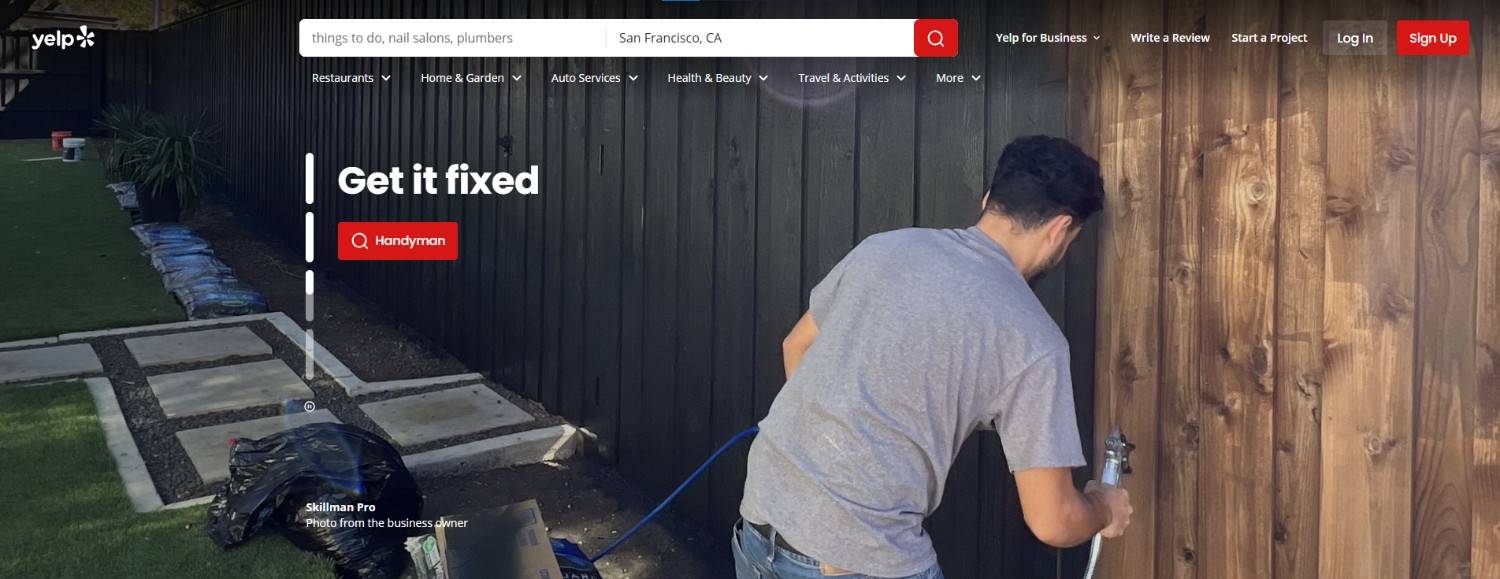
Yelp is the dominant review platform for local businesses in the US.
Its community-driven approach and detailed review format make it especially valuable for restaurants, retail stores, salons, and service providers.
Best for: Restaurants, salons, healthcare practices, and service-based businesses that rely on local foot traffic.
Key features: Verified reviews for credibility, localized search with geotargeting, Yelp Ads for promoted visibility, detailed business profiles with photos and hours, and a loyal user base that actively searches for local recommendations.
5. TripAdvisor
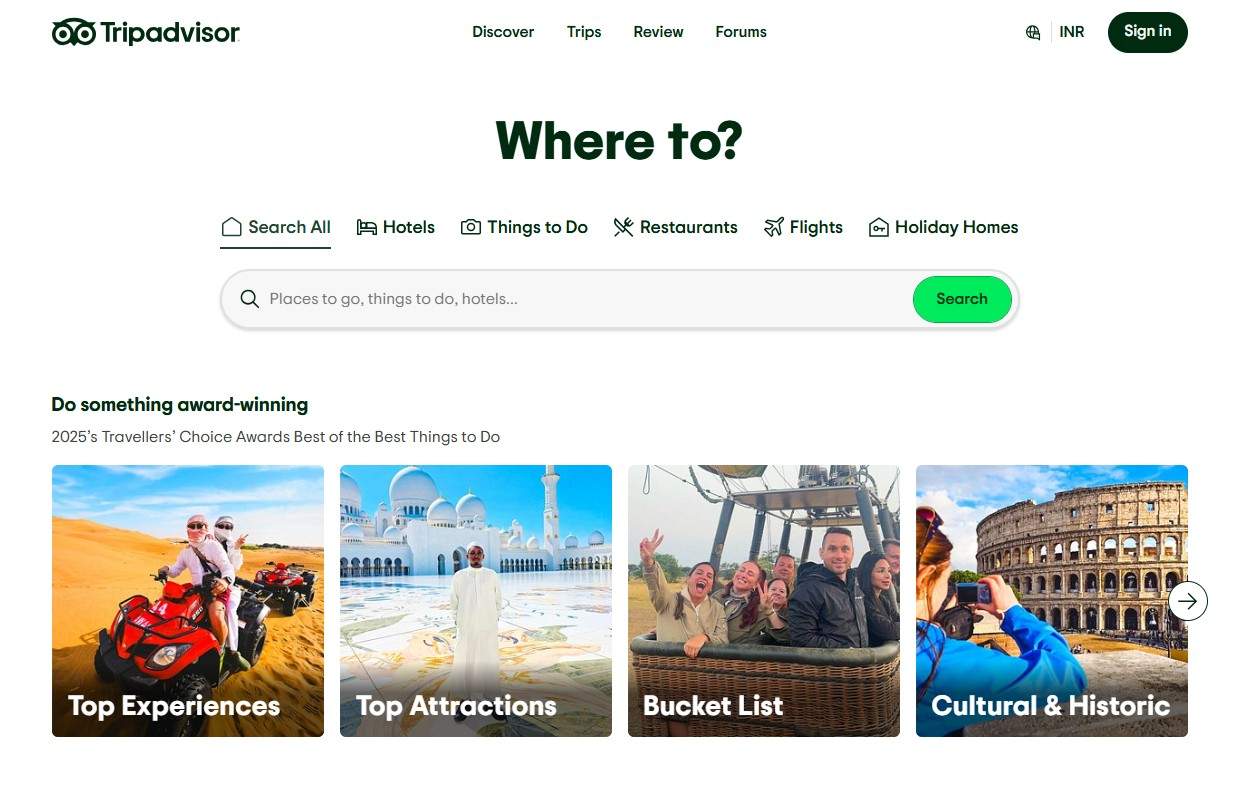
TripAdvisor is the leading review platform for travel, hospitality, and tourism.
Customers share detailed reviews, photos, and ratings that influence millions of travel decisions globally.
Best for: Hotels, tour operators, restaurants in tourist areas, and travel agencies targeting global travelers.
Key features: Traveler insights and reviews for hotels, attractions, and experiences; direct booking options integrated with reviews; business listing management with photos and special offers; and a massive global audience of active travelers.
Boost Conversion Instantly
Add Social Proof & Urgency to your website
6. G2

G2 is the go-to ratings and reviews platform for the software and SaaS industry.
It provides detailed, verified reviews from real users that influence enterprise purchasing decisions.
Best for: SaaS companies, software vendors, and tech businesses targeting B2B buyers.
Key features: Product comparison tools for in-depth evaluations, verified reviews from industry professionals, quarterly reports and category rankings, buyer-intent data for sales teams, and extensive guides to support decision-making.
7. Amazon Reviews
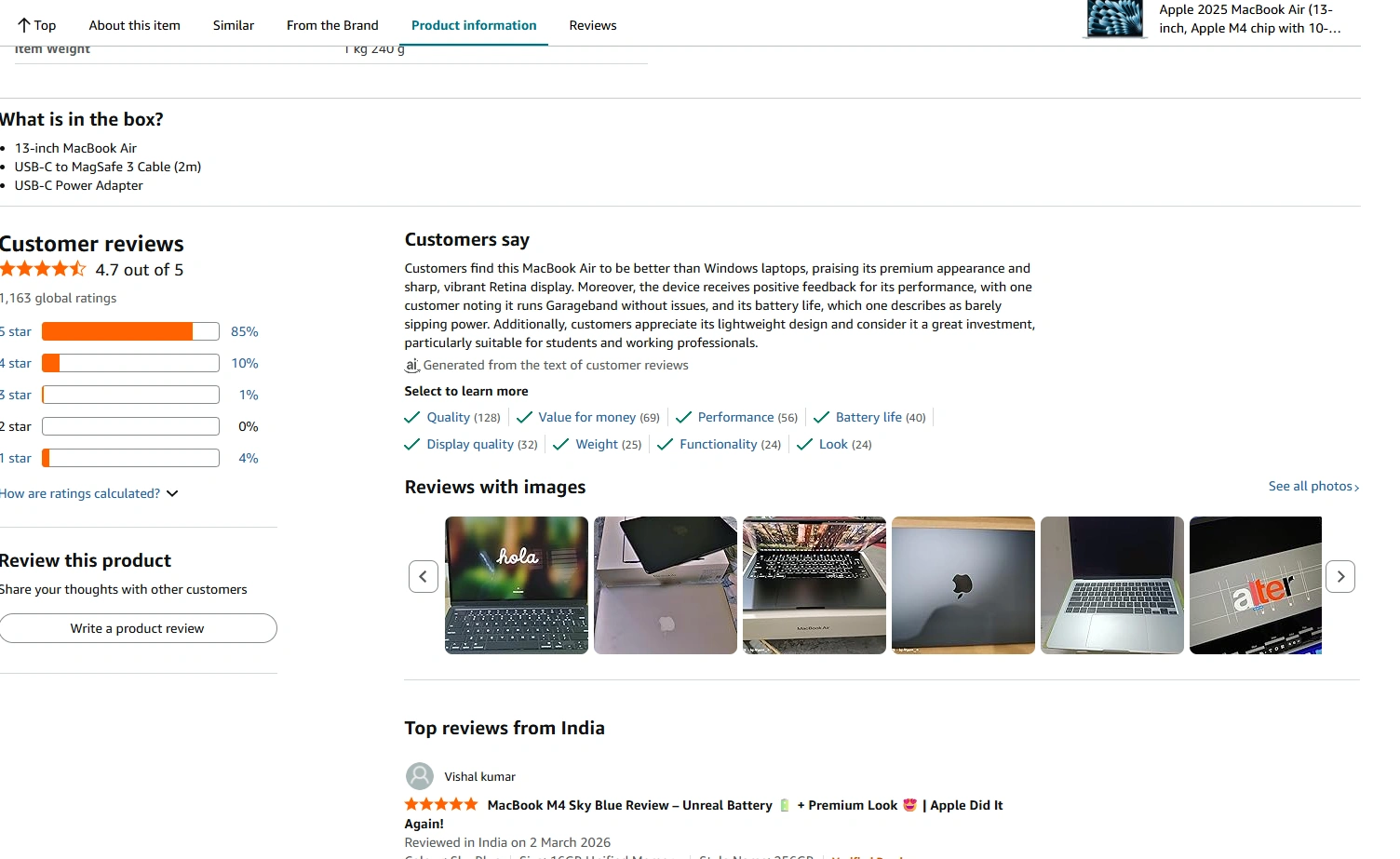
Amazon Reviews is one of the most influential product review systems in the world.
For any business selling on Amazon, reviews directly impact visibility, Buy Box eligibility, and conversion rates.
Best for: Ecommerce sellers and product manufacturers selling through Amazon’s marketplace.
Key features: Verified purchase reviews for credibility, summarized ratings with detailed feedback sections, customer Q&A for real-time responses, photo and video reviews from buyers, and direct impact on Amazon search rankings and product visibility.
8. Angi (formerly Angie’s List)

Angi connects homeowners with trusted professionals for home services.
From plumbers and electricians to landscapers and remodelers, Angi’s review system helps customers find reliable service providers based on real experiences.
Best for: Home improvement contractors, repair services, tradespeople, and any business in the home services industry.
Key features: Service listings and customer recommendations, cost estimation tools for comparing services, verified reviews for authenticity, lead generation through the Angi marketplace, and a trusted brand name in the home services space.
9. Birdeye
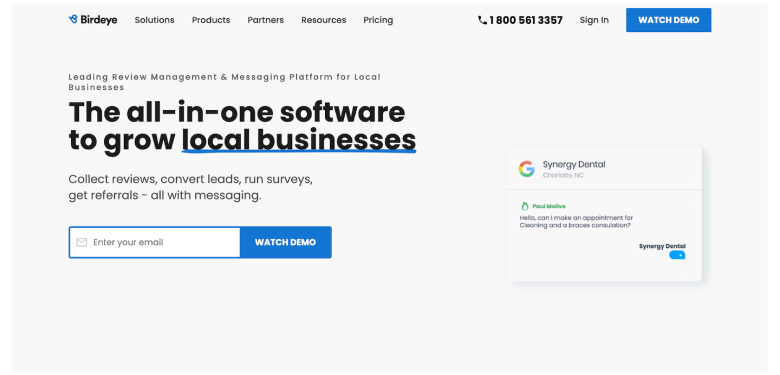
Birdeye is a comprehensive review management platform designed for businesses that need to collect, manage, and showcase reviews across multiple locations.
Its advanced analytics and multi-platform integration make it a standout for larger operations.
Best for: Multi-location businesses, healthcare providers, real estate agencies, hospitality companies, and automotive services.
Key features: Automated review generation tools, real-time sentiment analysis for actionable insights, centralized dashboard for managing reviews across all locations, integrations with 150+ review sites, and automated response suggestions.
10. BBB (Better Business Bureau)
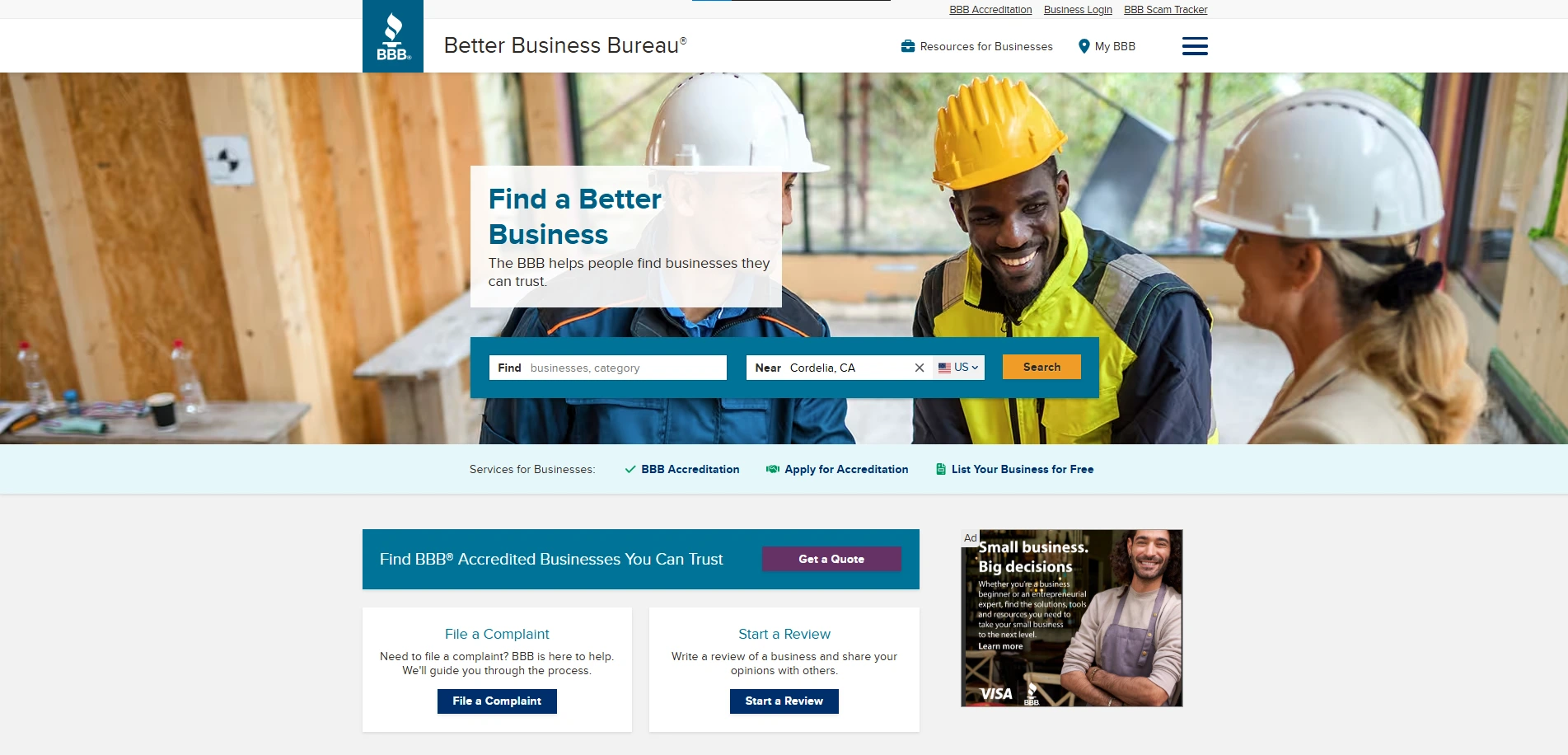
The BBB is one of the most trusted consumer protection organizations in North America.
Its accreditation system and customer review functionality help businesses demonstrate their commitment to ethical practices.
Best for: Businesses prioritizing credibility, ethical practices, and consumer trust, especially in industries where trust is a major purchase factor.
Key features: Dispute resolution services for customer complaints, accreditation badges for credible businesses, A+ to F rating system that consumers recognize and trust, and high consumer trust for ethical standards.
Also check: How to Add BBB Reviews on Your Website
11. Capterra
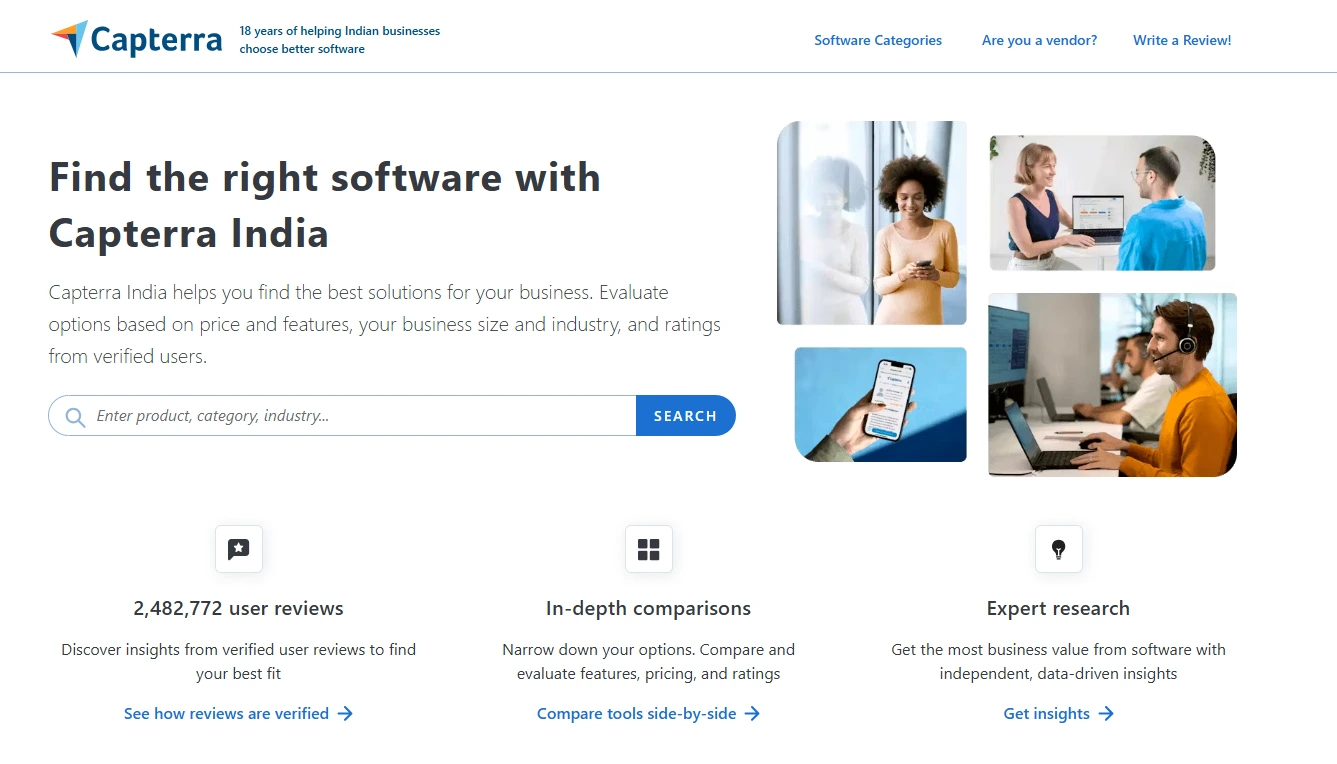
Capterra is a trusted B2B review platform specifically for software products.
Detailed user reviews and side-by-side product comparisons make it a leading destination for businesses evaluating software solutions.
Best for: Software companies targeting B2B clients, SaaS businesses seeking qualified leads through peer reviews.
Key features: Software comparison filters, detailed reviews with industry-specific insights, user-friendly search and category browsing, lead generation through product listings, and trusted by millions of software buyers.
12. Yotpo

Yotpo is a leading customer review platform tailored for ecommerce businesses.
It goes beyond collecting reviews by integrating them into marketing campaigns, loyalty programs, and referral systems.
Best for: Ecommerce and retail businesses on Shopify, BigCommerce, or custom platforms that want to turn reviews into a marketing engine.
Key features: Visual marketing for reviews (photo and video), loyalty and referral program integrations, AI-driven review insights, SMS review request campaigns, and deep Shopify integration.
13. Bazaarvoice

Bazaarvoice is an enterprise-grade platform for collecting, displaying, and analyzing user-generated content, including reviews, ratings, photos, and videos. It distributes content across retail partner networks.
Best for: Enterprise brands with omnichannel presence, CPG companies, and businesses that sell through retail partners.
Key features: Review collection and syndication across retail networks, social media integration for broader reach, actionable analytics for strategy building, and content distribution to major retailer websites.
14. Foursquare

Foursquare is a location-based review platform where customers leave feedback after visiting a physical location.
Reviews tend to be short and focused on specific experiences, such as service quality, wait times, or standout menu items.
Best for: Small to medium-sized businesses with physical locations, especially restaurants, cafes, and retail shops.
Key features: Check-in functionality for real-time engagement, localized insights for targeted marketing, foot traffic data and visit patterns, recommendations based on user activity, and business page claiming with profile management.
15. Podium

Podium helps businesses collect customer reviews through text messages.
It sends mobile-friendly review requests right after a sale or visit, making it extremely easy for customers to respond.
Best for: Local businesses, auto dealerships, dental practices, and any business where customers interact in person and respond better to SMS than email.
Key features: Text-based review invitations with high response rates, CRM integration for seamless management, a centralized messaging inbox for all customer communications, integrated payment processing with messaging, and automated follow-up sequences.
16. ReviewTrackers
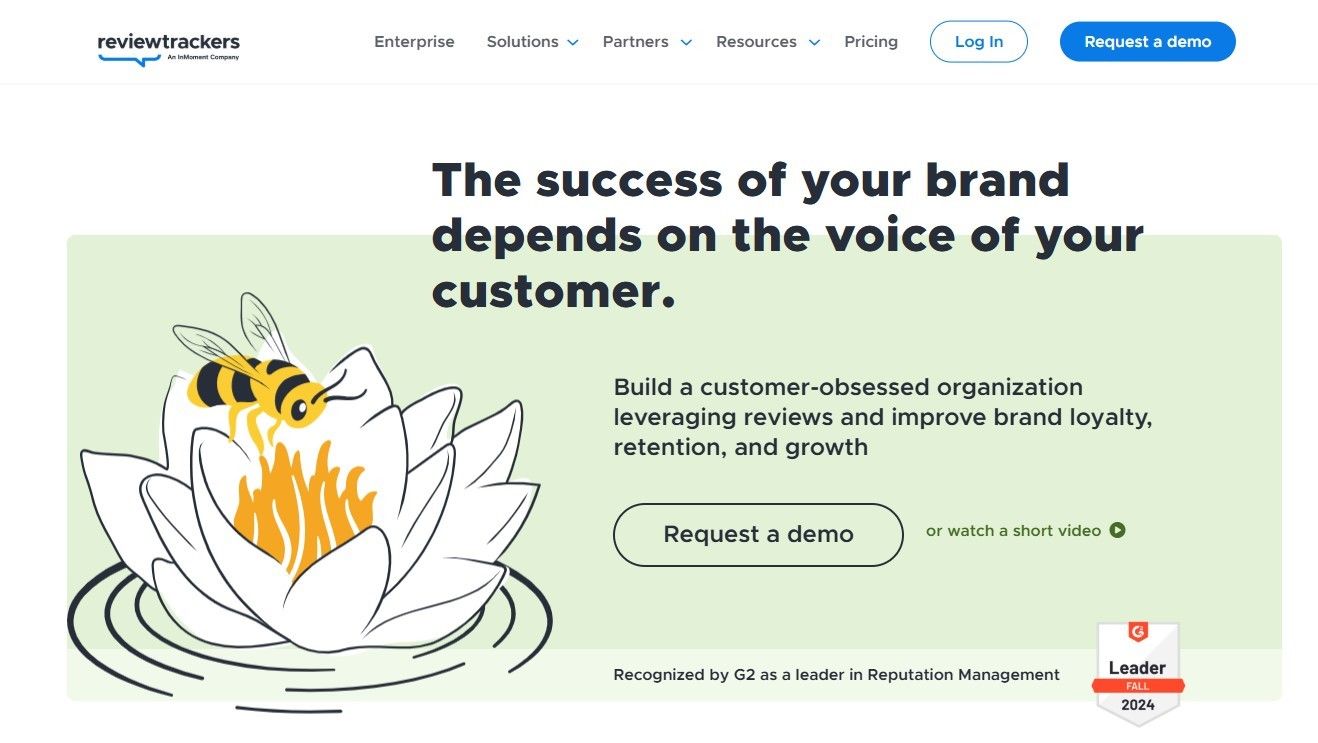
ReviewTrackers aggregates customer reviews from over 100 sites into a single dashboard.
It’s built for teams that need to monitor feedback across multiple platforms without logging into each one individually.
Best for: Enterprise businesses, franchise operations, and multi-location companies managing high volumes of reviews across many platforms.
Key features: Consolidated review tracking from 100+ platforms, sentiment analysis and trend reporting, competitive benchmarking tools, automated alerts for new reviews, and team collaboration features for review response workflows.
17. WiserReview
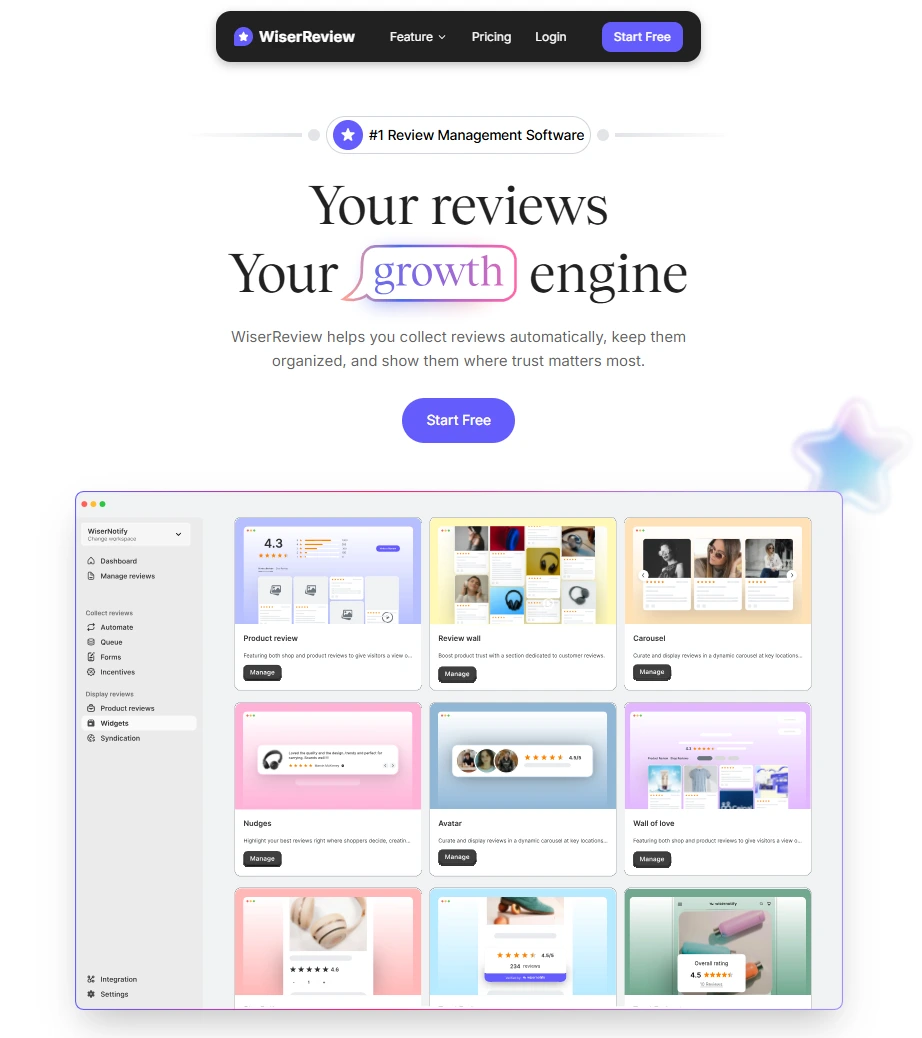
WiserReview is a review management platform that helps businesses collect real customer reviews, manage them from a central dashboard, and display them across product pages, landing pages, and popups.
It supports email, WhatsApp, and direct link review requests.
Best for: Ecommerce stores, Shopify and WooCommerce businesses, and any company that wants a simple, affordable review collection and display solution.
Key features: Multi-channel review collection (email, WhatsApp, QR codes, direct links), AI-powered review tagging and moderation, customizable display widgets (carousels, grids, popups, review walls), Google and Facebook review import, rich snippet markup for search visibility, and coupon incentives for review submissions.
Boost Conversion Instantly
Add Social Proof & Urgency to your website
How to Choose the Right Review Platform
Picking the right customer review platform depends on three things: your industry, your customers, and your goals.
Match the platform to your business type. Local businesses should prioritize Google Reviews and Yelp. Ecommerce stores need Yotpo, Bazaarvoice, or WiserReview. SaaS companies should focus on G2 and Capterra. Travel and hospitality businesses need TripAdvisor.
Consider where your customers already are. If your customers are active on Facebook, Facebook Reviews gives you built-in social proof. If they search Google before visiting, Google Reviews is non-negotiable. Meet your customers where they already spend time.
Look at integrations. The platform needs to work with your existing tools. If you’re on Shopify, choose a platform with a native Shopify integration. If you use HubSpot or Salesforce, check for CRM connectivity. Manual review management doesn’t scale.
Evaluate cost vs. features. Google Reviews and Facebook Reviews are free. Trustpilot and Yotpo have free tiers with paid upgrades. Enterprise platforms like Bazaarvoice and Birdeye require custom pricing. Start with what you can afford and upgrade as your review volume grows.
Don’t rely on just one platform. The strongest review strategies use 2 to 3 platforms. A local restaurant might use Google Reviews for search visibility, Yelp for local discovery, and Facebook for customer engagement. An ecommerce store might combine Trustpilot for brand trust with Yotpo for on-site product reviews.
Also check: 15 Best Product Review Websites You Can Actually Trust (2026)
Common Challenges With Review Platforms (and How to Fix Them)
Not getting enough reviews. Most satisfied customers won’t leave a review unless you ask. Send automated review requests within 24 to 48 hours of purchase or service delivery. Keep the process to 2 clicks maximum. Offer a small incentive (discount code, loyalty points) while staying within platform guidelines.
Dealing with fake or malicious reviews. Use platforms with robust verification processes (e.g., Trustpilot, Google, and Amazon). Report fake reviews through the platform’s moderation system. Respond publicly and professionally to negative reviews to show transparency.
Managing reviews across multiple platforms. Use a centralized tool like Birdeye or ReviewTrackers to monitor all your reviews from a single dashboard. Set up alerts for new reviews so you can respond within 24 hours. Consistent, timely responses across platforms build customer confidence.
Low integration with existing tools. Choose platforms with pre-built integrations for your ecommerce platform (Shopify, WooCommerce), CRM (HubSpot, Salesforce), and email marketing tools. API access matters for custom setups.
Wrapping Up
The best customer review platform is the one your customers will actually use. Google Reviews works for almost every business.
Trustpilot and Yotpo are strong for ecommerce. G2 and Capterra dominate B2B software. TripAdvisor owns travel and hospitality.
Start by claiming your profile on the platforms where your customers already search.
Set up automated review requests. Respond to every review (positive and negative) within 48 hours.
Then use the feedback to improve your product, service, and customer experience.
Whether you choose a business review platform like Birdeye, a review service provider like Podium, or a free platform like Google Reviews, the key is consistency.
Reviews aren’t just marketing. They’re the most honest feedback loop your business has.


