
6 Best Social Commerce Platforms for Online Stores (2026)
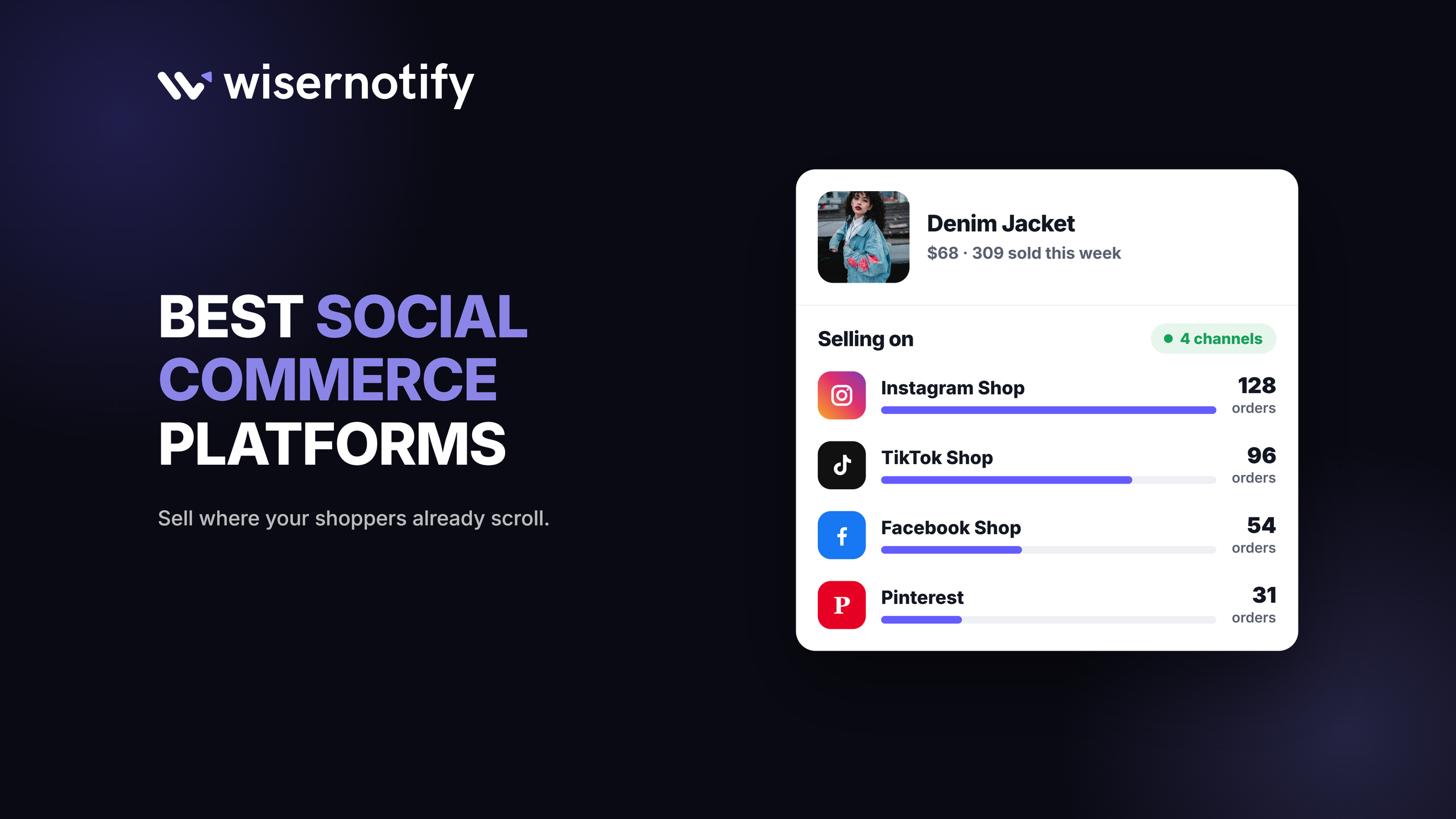
Where you should sell on social comes down to what your product is and where your buyers already scroll.
For impulse buys, TikTok Shop is the strongest option because shoppers pay without leaving the app. Visual brands do well on Instagram and Facebook, which now send buyers to your own checkout.
Pinterest catches people planning a purchase, WhatsApp Business suits repeat and local customers, and YouTube Shopping fits products that need a demo. The table below compares all six on checkout, fees, and regions.
What Is a Social Commerce Platform?
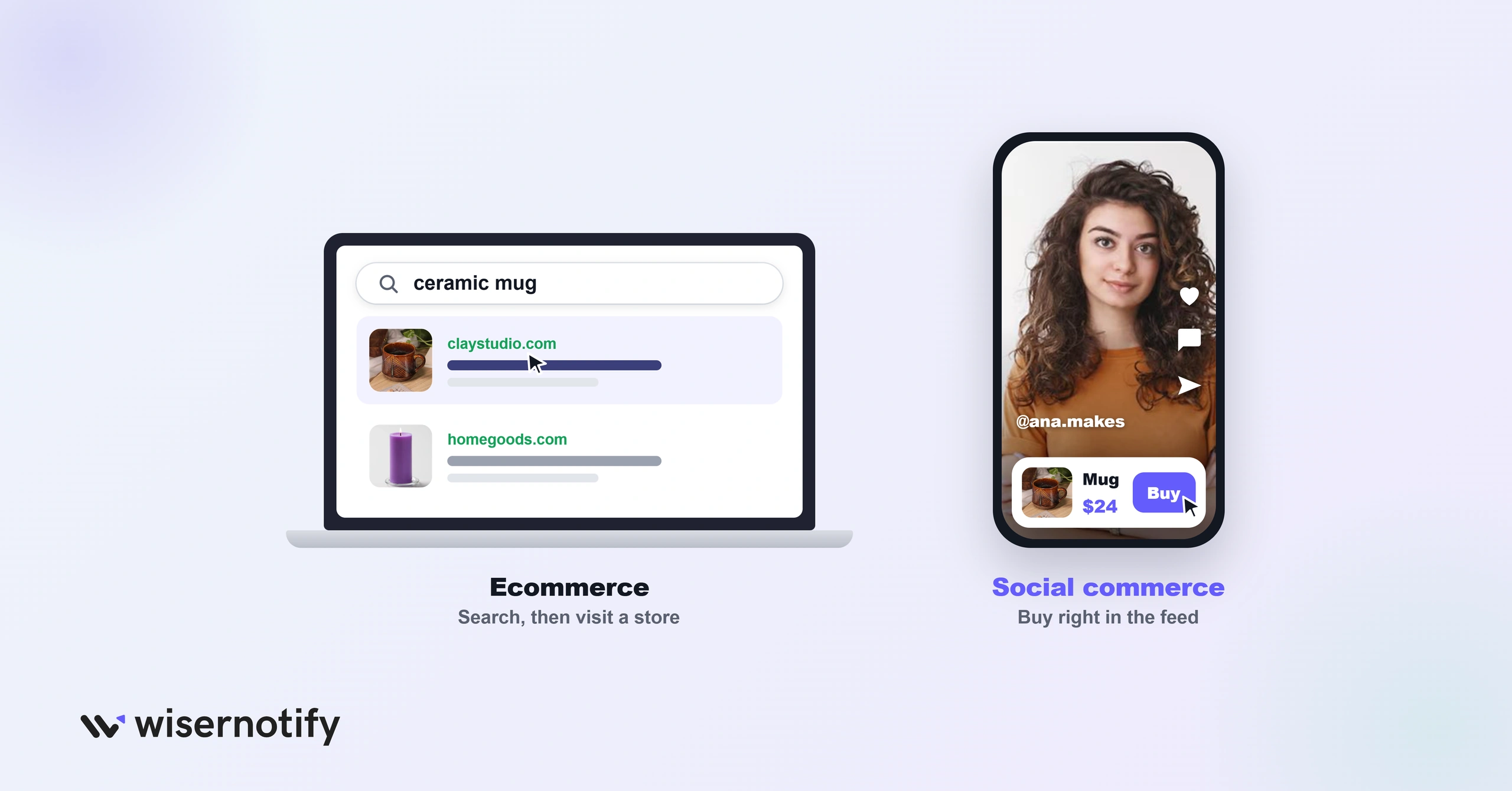
A social commerce platform is a social app where people can discover and buy products without searching for a store first.
Shoppers see a product in a post, video, or chat, tap it, and either buy in the app or land on the seller’s checkout.
It differs from regular ecommerce in where the sale starts. Ecommerce starts with a search or a visit to your store. Social commerce starts in the feed, often from a creator or a friend.
The channel is growing fast: US social commerce sales are on track to pass $100 billion in 2026, according to our social commerce statistics.
Social Commerce Platforms Compared
| Platform | Checkout type | Seller fee | Best for | Regions |
|---|---|---|---|---|
| Instagram Shop | Your website | No Meta selling fee | Fashion, beauty, visual products | US and select markets |
| Facebook Shop | Your website | No Meta selling fee | Broad and local audiences | US and select markets |
| TikTok Shop | In-app checkout | 6% referral fee on most US categories | Impulse buys, creator-led products | US, UK, and a growing list of markets |
| Your website, via product pins | No selling fee | Home, décor, gifts, planned purchases | Most major markets | |
| WhatsApp Business | Chat orders with catalogs | Free app; API priced per message | Repeat and local customers | Worldwide; in-chat payments in India, Brazil, and Singapore |
| YouTube Shopping | Your store, via product tags | No YouTube selling fee | Demos, reviews, tutorials | Many markets |
If you sell mainly in China, WeChat and Douyin are the main social selling channels, and they work very differently from the platforms above.
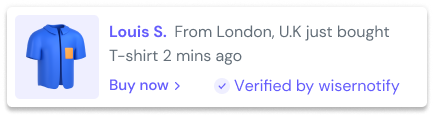
Build trust & FOMO
Highlight real-time activities like reviews, sales & sign-ups.

6 Best Social Commerce Platforms (2026)
1. Instagram Shop

Instagram Shop lets you tag products in posts, Reels, and Stories and show a shop tab on your profile. Since Meta moved Shops to website checkout, a tap on a product takes the buyer to your store to pay.
Key features
- Product tags in posts, Reels, and Stories.
- A shop tab on your business profile.
- Catalog sync from Shopify, BigCommerce, and other platforms.
- Ads that send shoppers straight to tagged products.
Good fit: Visual brands in fashion, beauty, and home that already post regularly.
Not a fit: Stores that want buyers to pay inside the app.
2. Facebook Shop

Facebook Shop shares the same catalog and Commerce Manager setup as Instagram, so one setup covers both. It reaches a broader and often older audience, and works well with Facebook Groups and local buyers.
Key features
- One catalog shared with Instagram.
- Shop tab on your Facebook Page.
- Messenger for questions before purchase.
- Targeted ads to past visitors and lookalike audiences.
Good fit: Stores with a broad audience or a strong local customer base.
Not a fit: Brands whose buyers are mostly under 25.
3. TikTok Shop

TikTok Shop keeps the whole purchase inside the app. Shoppers buy from short videos, live streams, and creator posts, then check out without leaving TikTok.
Key features
- In-app checkout from videos and live streams.
- An affiliate program that pays creators to promote your products.
- A shop tab on your profile and a shopping feed.
- TikTok fulfillment options in the US.
Good fit: Products that sell on impulse and look good on camera.
Not a fit: High-ticket or highly considered purchases that need research.
4. Pinterest

Pinterest is where people plan purchases, from home projects to weddings. Product pins show price and stock and link straight to your product page.
Key features
- Product pins synced from your catalog.
- Shopping ads and a shop tab on your profile.
- Visual search that surfaces similar products.
- A long shelf life, since pins keep getting found months later.
Good fit: Home, décor, food, gifts, and seasonal products people plan ahead for.
Not a fit: Stores that need fast, same-day sales.
5. WhatsApp Business
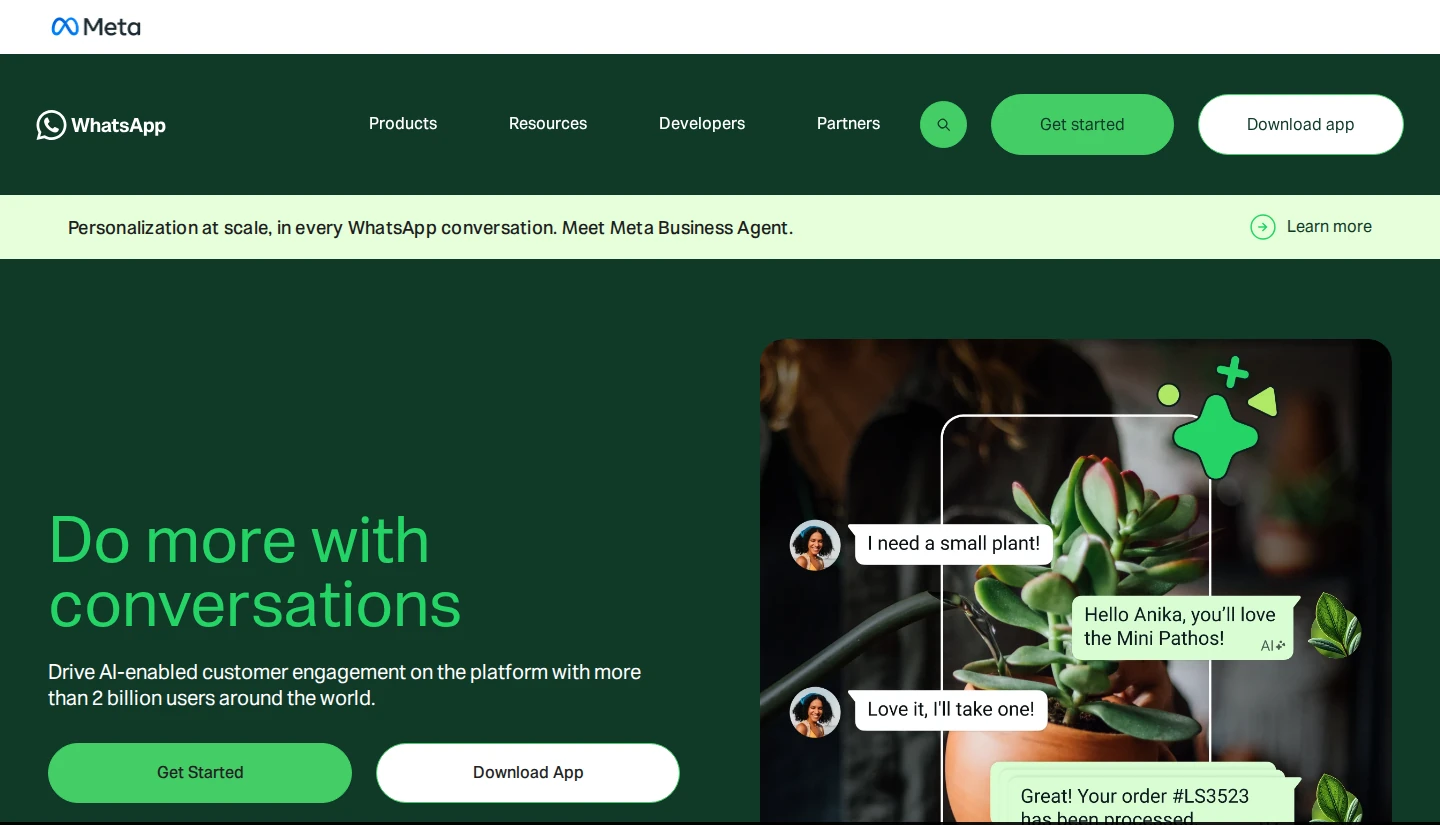
WhatsApp Business turns chat into a storefront. You share a product catalog, answer questions, and take orders in the conversation, with in-chat payments in a few countries.
Key features
- Product catalogs inside your business profile.
- Quick replies, labels, and automated greetings.
- Broadcast messages to opted-in customers.
- In-chat payments in India, Brazil, and Singapore.
Good fit: Local stores and brands with repeat customers who like to ask before they buy.
Not a fit: High-volume stores that need a full self-serve checkout.
6. YouTube Shopping
YouTube Shopping lets you tag products in videos, Shorts, and live streams and show a store on your channel. Product tags link to your store, and creators can join an affiliate program to promote your products.
Key features
- Product tags in videos, Shorts, and live streams.
- A store tab on your channel.
- Store connections through Shopify and other partners.
- An affiliate program for creators.
Good fit: Products that sell through demos, tutorials, and reviews.
Not a fit: Stores without the time or budget to make video.
Which Social Commerce Platform Is Best?
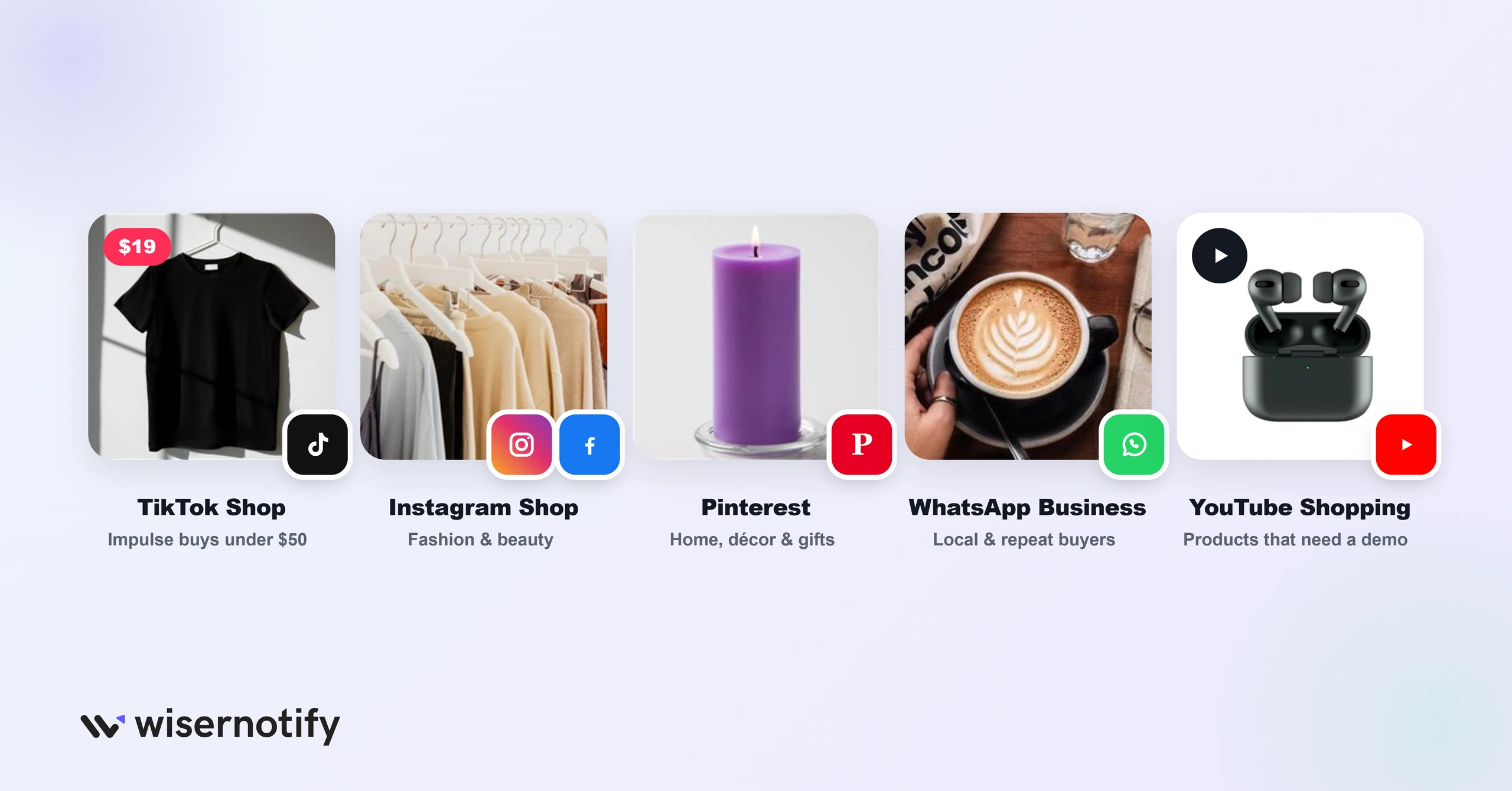
- Impulse buys under about $50: TikTok Shop.
- Fashion, beauty, and lifestyle: Instagram Shop, with Facebook Shop from the same setup.
- Home, décor, and gifts: Pinterest.
- Local or repeat customers: WhatsApp Business.
- Products that need a demo: YouTube Shopping.
Start with the platform where your buyers already spend time, then add a second once the first is working. These UGC platforms help you reuse customer content across all of them.
Build trust & FOMO
Highlight real-time activities like reviews, sales & sign-ups.

Benefits of Selling on Social Platforms
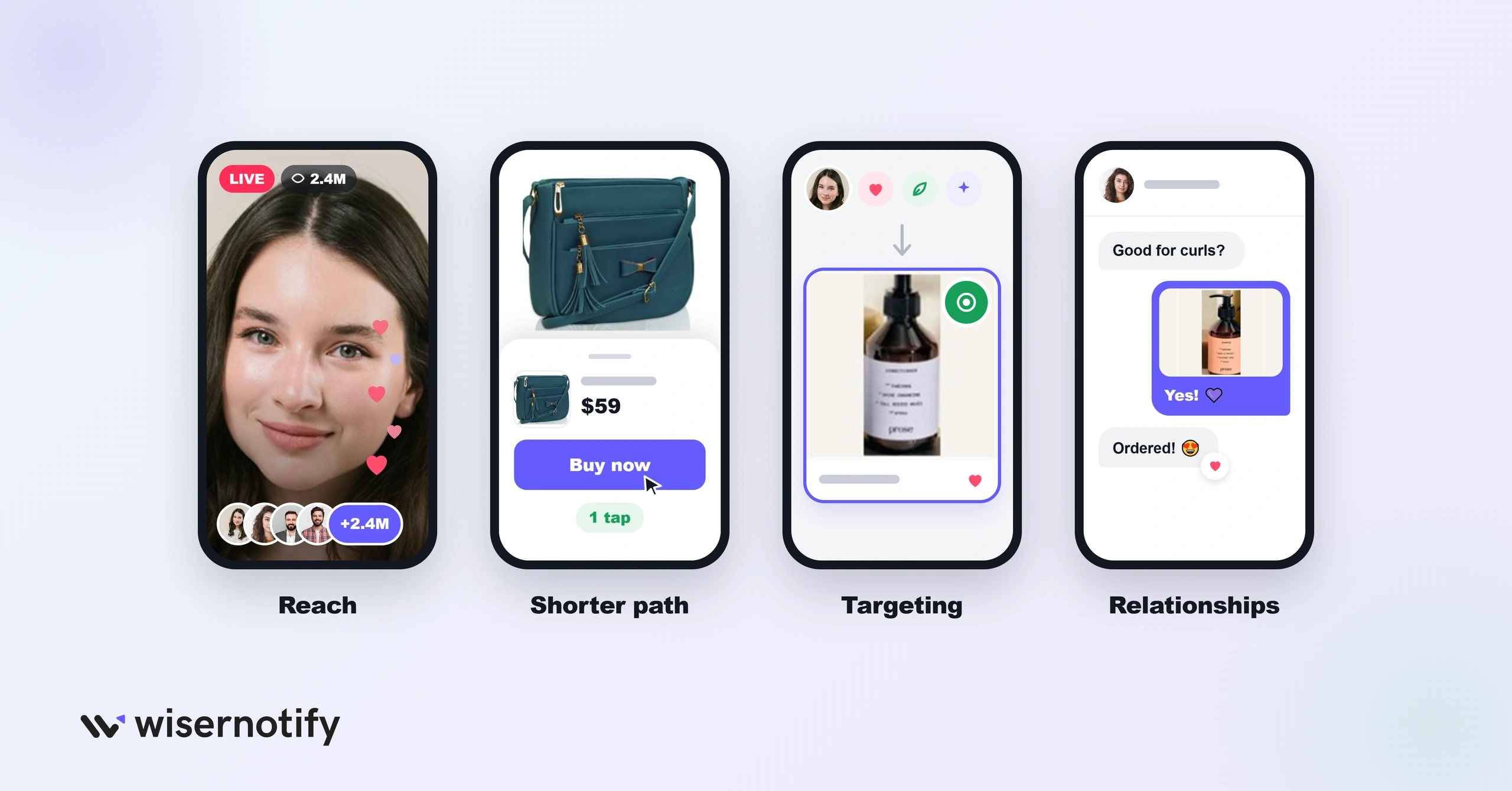
- Reach. Billions of people use these apps every day, so you meet buyers where they already are.
- Shorter path to purchase. Shoppers go from post to product in one or two taps.
- Targeting. Ads and algorithms put products in front of people with matching interests.
- Relationships. Comments, DMs, and live streams let you answer questions and build loyalty.
Build Trust on Your Own Storefront
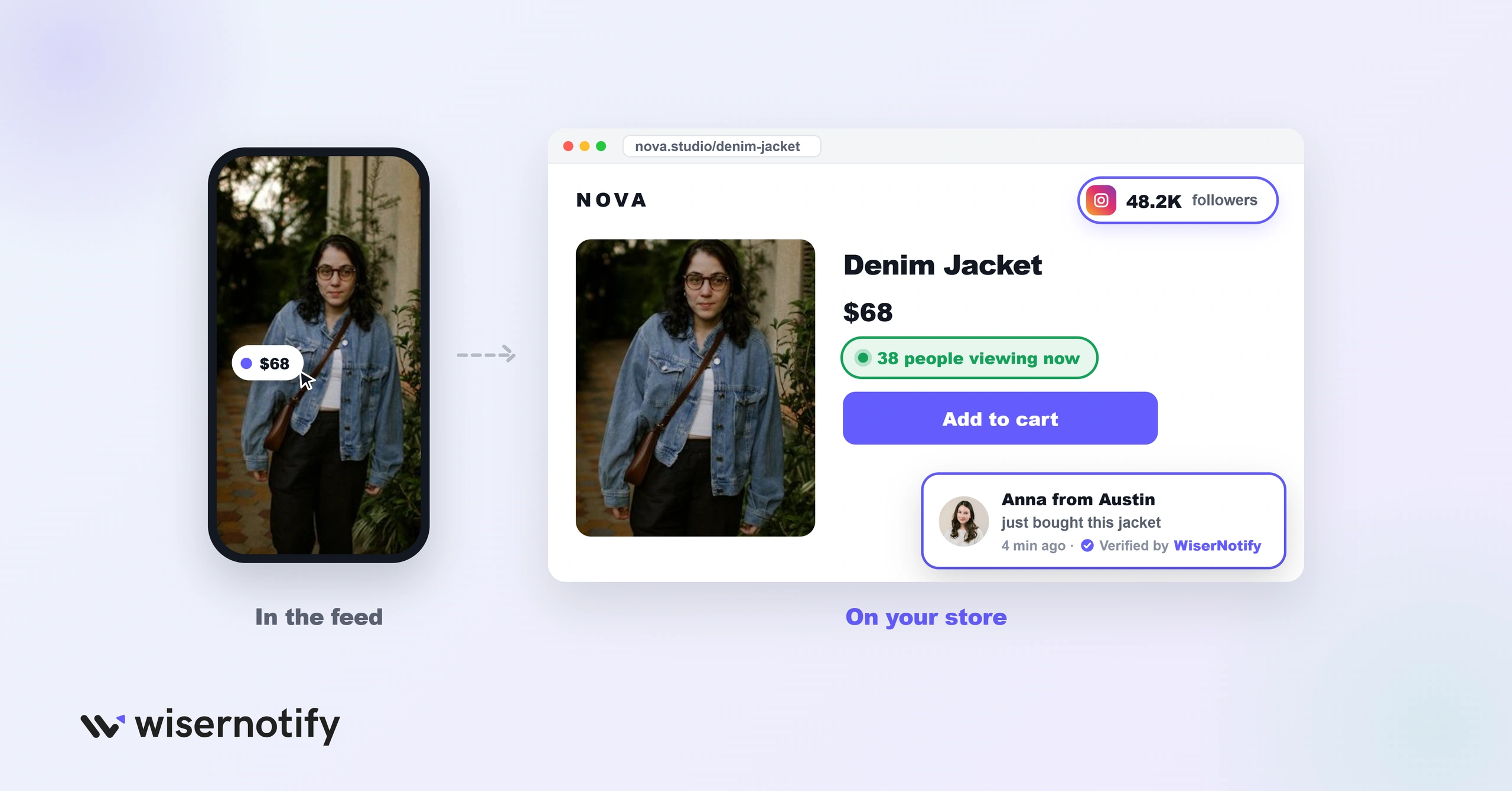
Most social shoppers still land on your website before they pay, so your store needs to back up what they saw in the feed, as these social proof examples show.
WiserNotify, used by 20,000+ brands, shows social follower counters, recent purchase notifications, and live visitor counts on your store, so new visitors see that others trust you too.
These social proof widgets show more ways to use them.

Boost Conversion Instantly
Add Social Proof & Urgency to your website
Wrap Up
There is no single best social commerce platform. TikTok Shop wins on in-app buying, Instagram and Facebook on visual reach, Pinterest on planned purchases, WhatsApp on conversation, and YouTube on demos.
Pick the one or two that match your products, connect your catalog, and make sure your own storefront builds the same trust as the feed.
Frequently Asked Questions
What is a social commerce platform?
It’s a social app where people discover and buy products from posts, videos, or chats, either in the app or on the seller’s website.
Which social commerce platform is best?
TikTok Shop suits impulse buys, Instagram suits visual brands, and Pinterest suits planned purchases. Pick the one where your buyers already spend time.
Can you still check out on Instagram?
No. Instagram and Facebook Shops now send shoppers to the seller’s website to pay.
How much does TikTok Shop charge sellers?
TikTok Shop charges a 6% referral fee on most US categories, plus any creator commission you choose to offer.
Is social commerce worth it for small stores?
Yes, if your products photograph well or sell on impulse. Start with one platform and add more once it brings steady orders.

Krunal Vaghasiya is a marketing tech expert who boosts e-commerce conversion rates with automated social proof and FOMO strategies. He loves to keep posting insightful posts on online marketing software, marketing automations, and improving conversion rates.




 Capterra