
Simple Ways to Increase Sales in Your Clothing Business (2026)
If you run a clothing business, you already know the hard part is not making sales once. It is making them consistently, month after month, in a market where shoppers have endless options and short attention.
This is a complete sales strategy for a clothing business, online, on Shopify, or in a boutique.
It walks through the four things that actually grow revenue: attracting the right customers, turning them into buyers, getting each one to spend more, and keeping them coming back.
You do not need every idea here. Find the stage where your business leaks the most, and start there.
How to increase sales in a clothing business: the short version
Growing a clothing brand comes down to four moves. Each section below expands on them:
- Attract the right customers. Use social media, influencers, and email so the people who find you already want your style.
- Turn visitors into buyers. Build trust with social proof and reviews, and remove the fit doubt that stops clothing sales.
- Raise the average order. Bundle outfits, upsell, and cross-sell so each customer spends more per visit.
- Keep customers coming back. Loyalty, personalized offers, and good follow-up turn one sale into many.
The stores that grow fastest do all four together, so no single stage becomes the bottleneck.
Why a clothing business needs a real sales strategy
Clothing is one of the toughest things to sell. Shoppers cannot feel the fabric or try it on, and they can find a similar piece on ten other sites in seconds.
The numbers show the pressure. Apparel stores convert only about 2.2% of visitors on average, and fashion carts are abandoned 76 to 84% of the time, higher than almost any category.
On top of that, 20 to 40% of clothing that sells comes back as a return, mostly over fit.
That is why random discounts and one-off posts do not move the needle. You need a strategy that works the whole journey, from the first time someone hears about your brand to their third repeat order.
Build trust & FOMO
Highlight real-time activities like reviews, sales & sign-ups.


1. Attract the Right Customers to Your Clothing Brand
Sales start with the right traffic. For a clothing business, that means reaching people who like your style, not just anyone who lands on the page. These channels bring in buyers, not browsers.
Sell directly on social media
Fashion is discovered on Instagram and TikTok, so the fewer steps between seeing an item and buying it, the better.
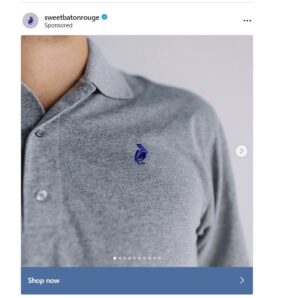
Tag products in your posts so followers can buy without leaving the app, and set up a shop on your social profiles. Give followers the occasional exclusive, an early drop or a follower-only discount, so following you pays off.
Partner with influencers who fit your brand
Influencers work in fashion because their audience already trusts their taste. The key is fit, a creator whose followers look like your customer, not just the biggest number.

Let an influencer curate a small edit of their favorites from your store, or collaborate on a limited piece. Micro-influencers with an engaged niche often convert better than a celebrity with a broad, cold audience.
Build an email and SMS list from day one
Paid traffic is rented; a list is owned. Capture emails with a first-order offer, then use the list for new drops, restocks, and win-backs.
Follow-up emails built around what someone actually browsed convert far better than a generic newsletter blast. This is the cheapest repeat-sales channel you have.
Run paid ads that pay for themselves
Organic reach is slow to build, so paid ads fill the gap. For clothing, visual formats win: Google Shopping puts your product photo and price right in search, and Meta ads target by style and lookalike audiences.
Start with a small daily budget on your best-selling items, track cost per sale, and scale only what returns a profit. Point every ad at the exact product page, not the homepage, so the click lands one step from checkout.
Also Read: Cross-Promotion 101: Strategies to Grow Your Business
Build trust & FOMO
Highlight real-time activities like reviews, sales & sign-ups.

2. Turn Visitors Into Buyers
Most people who reach a clothing store leave without buying. They hesitate for three reasons: they do not trust a brand they have never heard of, they are unsure about fit, and nothing tells them to decide now.
Fix those three and your conversion rate climbs.
Show social proof so new shoppers trust you
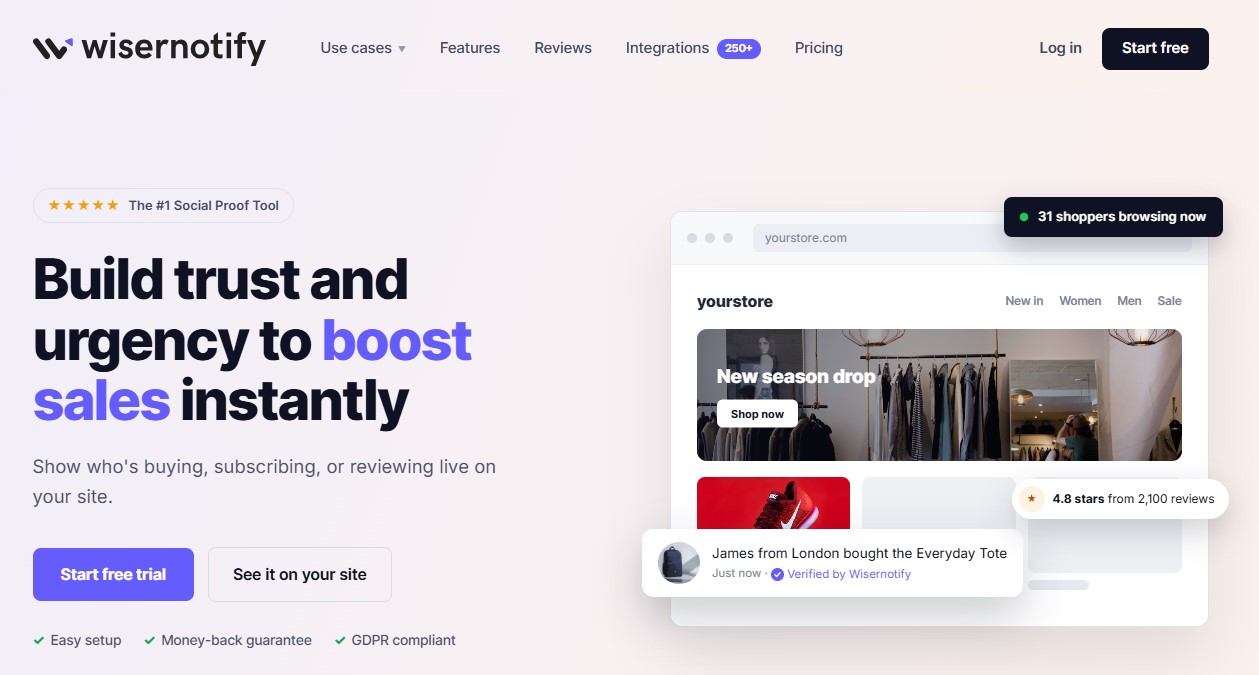
Shoppers trust other shoppers more than they trust your marketing. Social proof, live sales, recent reviews, and real-time activity, tells a first-time visitor that other people buy from you and are happy.
This is where a tool like WiserNotify helps. It connects to Shopify, WooCommerce, BigCommerce, or a custom store and pulls your real purchases, reviews, and sign-ups automatically, then shows them on your site as small, live notifications. No code needed.
For a clothing store, the messages that convert are the ones that answer a shopper’s exact doubt:
- “Maria from Miami just bought the Floral Maxi Dress” shows the brand is real and active.
- “Only 3 left in stock for the Denim Jacket” adds honest urgency.
- “1,200 shoppers bought this in the last 30 days” proves the item is popular.
You can style the notifications to match your store, and track which ones drive the most sales from the dashboard.
Build trust & FOMO
Highlight real-time activities like reviews, sales & sign-ups.

Highlight real customers wearing your clothes
Around 60% of people are more likely to buy when they see user-generated content, real customers in the actual clothes.
Add a customer photo gallery to your product pages so buyers see how an item looks on real bodies, not just studio models. Run a branded hashtag like “#MyStyle” and feature the best posts.
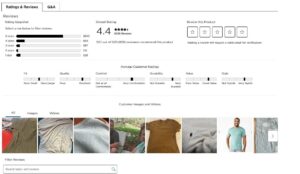
Pair those photos with written reviews. Genuine feedback from real buyers closes a sale better than any headline, and it answers the “will this look good on me” doubt that stops most fashion purchases.
Collecting that content is the hard part. Auto-request a review after every delivery and ask for a photo or short video, so real customer looks build up on their own instead of you chasing them one by one.
Remove the fit doubt that kills clothing sales
Fit is the single biggest problem in online fashion. About 53% of clothing returns come down to fit, and returns quietly eat your margin.
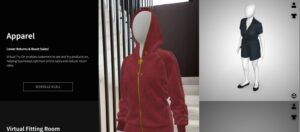
Virtual try-on and AR tools let shoppers see how an item looks before buying. Even without full AR, a size recommender that asks for a couple of measurements makes people far more confident at the buy button.
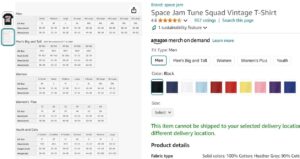
At minimum, give every product a clear size guide with real garment measurements, not just S/M/L, plus fit notes pulled straight from reviews (“runs small, size up”). It is the cheapest way to win the sale and avoid the return.
Those fit notes only exist if you ask for them, and that is where a review app earns its place. WiserReview handles the whole loop for a clothing store:
- Collect: it auto-requests reviews after delivery over email, SMS, WhatsApp, or a QR code, and asks for photos and video plus a fit question, so buyers report whether an item runs small or large.
- Manage: AI moderation filters spam and abuse, and verified-purchase labels confirm each review came from a real buyer.
- Display: review widgets, photo galleries, and fit notes show on your product pages, and star ratings can sync to Google.
Future shoppers then see real customer looks and honest fit feedback right where they decide, which is what closes the sale and cuts returns.
Related Post : Live Selling: 12 Tactics That Drive Real Sales
Use honest urgency to prompt a decision
With ~80% of fashion carts abandoned, a nudge often converts a “maybe later” into a sale. The rule: it has to be real. Fake countdowns get spotted and cost you trust.
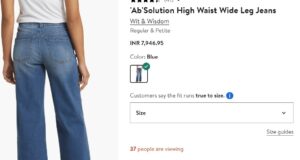
Show genuine stock levels (“Only 3 left”) and real popularity, how many people are viewing or recently bought an item.
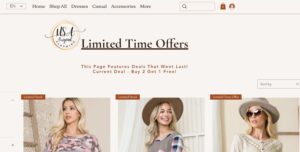
Run a real, time-boxed sale with a visible countdown timer. When the deadline is true, urgency converts. When it is not, it backfires.
Make checkout and payment simple
You lose the most sales at the very last step. Surprise costs and a clunky checkout are top reasons fashion carts get abandoned.
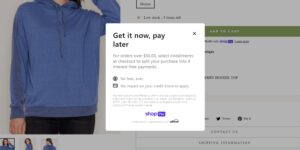
Offer flexible payment, installments and Buy Now, Pay Later, so a higher-priced piece feels affordable.
Keep the checkout short, show total cost early, and support the payment methods your customers actually use. Every field you remove is a sale you keep.
Build trust & FOMO
Highlight real-time activities like reviews, sales & sign-ups.

3. Get Each Customer to Spend More
Once someone is buying, the cheapest growth is a bigger order. Lifting average order value raises revenue without needing a single extra visitor.
Bundle outfits, not just products
Sell the complete look. Pair a top, bottom, and accessory at a small discount versus buying them separately, “complete the outfit for 15% less.”
Build seasonal bundles like a “Summer Essentials” set, and give loyalty members a slightly better bundle price. The shopper gets a styled outfit; you get a bigger order.
Upsell and cross-sell with taste
Upselling offers a better version; cross-selling completes the outfit. Both raise the order when done at the right moment.
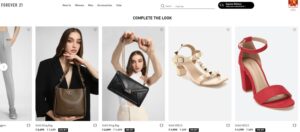
When someone views a basic jacket, show the premium version and why it costs more (better fabric, warmer lining). When they add a dress, suggest the shoes or bag that finish the look.
Done well, it feels like styling help, not a hard sell.
Offer free shipping above a threshold
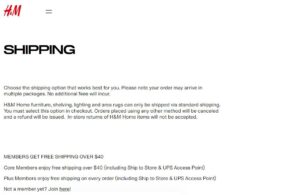
Free shipping is the most effective promotion in apparel, around 90% of shoppers are more likely to buy when it is offered, and surprise shipping costs are a leading cause of abandoned carts.
Set a free-shipping threshold just above your average order (“free shipping over $75”) to lift cart value while giving shoppers a reason to add one more item.
Plan around seasons and sale events
Clothing sells in cycles. New-season arrivals, end-of-season clearance, and big dates like Black Friday and the holidays are when shoppers already expect to buy, so a planned calendar beats random discounts.
Map promotions to the year: fresh stock at full price early in a season, then time-boxed markdowns to clear it before the next drop. Line up seasonal campaigns ahead of time so email, social, and ads push together.
Create limited collections that sell out
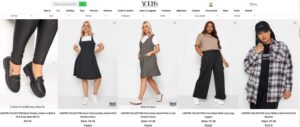
Scarcity works in fashion because style is about being early. A collection that is only around for a short window gives people a reason to buy now instead of bookmarking and forgetting.
Drop small, time-boxed collections, a holiday capsule, a seasonal run, a collaboration, and say plainly when they end. Let people pre-order sold-out-risk items to lock in demand before launch.
4. Turn First-Time Buyers into Repeat Customers
Here is the number most guides skip: repeat customers drive about 40% of an apparel store’s revenue, and loyalty members spend 12 to 18% more per year.
Winning the second and third order is cheaper and more profitable than chasing the first.
Personalize what each shopper sees and gets
Personalization changes what each person sees based on what they browsed and bought, and it is one of the highest-return moves in fashion: tailored recommendations lift conversion by 15 to 20%.

If someone keeps viewing summer dresses, lead their next visit with new arrivals in that category.
Offer discounts tied to past purchases, someone who bought boots gets a deal on matching accessories, not a random blanket sale that trains everyone to wait.
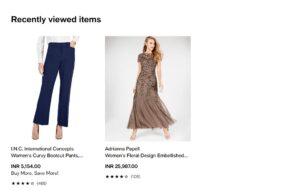
Use browsing history to suggest similar styles, and run retargeting ads that show shoppers the exact items they viewed but did not buy.
Run a simple loyalty program
Points, early access to drops, or member-only pricing give people a reason to come back to you instead of a competitor.
Time your win-backs too: if someone bought a summer dress, reach out when the new season lands with styles that match their taste.
Keep showing proof and support
Reviews, recent sales, and popularity signals reassure returning shoppers as much as new ones, and keep your best items feeling in demand.
Answer doubts fast, too. A chatbot that handles sizing, shipping, and returns around the clock, and hands the tricky cases to a human, keeps a hesitating repeat buyer from drifting off.

Boost Conversion Instantly
Add Social Proof & Urgency to your website
Bringing It Together
A clothing business grows when the whole funnel works: the right people find you, trust you enough to buy, spend a little more each time, and come back.
Start with your weakest stage. If traffic is low, fix attraction. If visitors do not buy, fix trust and fit. If orders are small, bundle and upsell. If nobody returns, build loyalty.
Small, steady improvements at the right stage are what turn a clothing store into a growing brand.
Frequently Asked Questions
What is the role of a customer loyalty program in improving my ecommerce business?
A loyalty program rewards repeat customers with points, discounts, or special offers, encouraging them to shop more frequently and increase sales.
How profitable is selling clothes online?
Selling clothes online can be very profitable. Many people shop online, which creates a big market for sellers. If you choose the right products and market them well, you can earn a good income.
What role do <a href="https://cms.wisernotify.com/blog/latest-product-description-examples/">product descriptions</a> play in an online store?
In an online store, clear product descriptions can boost search rankings, attract target audience, and help the, feel confident in their purchases by highlighting the features and benefits of each clothing item.

Krunal Vaghasiya is a marketing tech expert who boosts e-commerce conversion rates with automated social proof and FOMO strategies. He loves to keep posting insightful posts on online marketing software, marketing automations, and improving conversion rates.




 Capterra