
How to Grow Your Coaching Business: 11 Ways (2026)
Most coaching businesses stay small for a simple reason: not enough people know the coach exists. The coaching itself is usually fine.
I’ve watched thousands of coaches and course creators run WiserNotify on their sites, and the ones who grow all do a version of the same eleven things. None of them require a big audience or an ad budget to start.
This post walks through all eleven, roughly in the order I’d do them.
Also check: How to start a coaching business if you’re still at day one.
11 Ways to Grow Your Coaching Business
Let’s take them one at a time.
1. Pick a Niche People Pay to Solve
“I coach anyone who wants to grow” sounds safe. In practice it means nobody remembers you or sends people your way.
A niche is a specific person with a specific problem they already want fixed. Think career changers over 40, SaaS founders stuck at their first ten hires, or new managers who dread giving feedback.
Two tests before you commit:
- Do they know they have the problem? If you have to convince people the problem exists first, you’ll run out of money before they come around.
- Do they already pay to solve it? Look for existing coaches, courses, and books in the space. If others sell solutions to it, buyers exist.
Niching feels like turning clients away. It works because referrals and content only spread when people can repeat what you do in one sentence.
Here’s the difference in practice. “Leadership coach” gets a polite nod at a dinner party. “I help first-time engineering managers stop doing their old job” gets “oh, my sister needs you.” The second one gets repeated.
2. Package Your Coaching Into a Clear Offer

Hourly coaching is hard to sell because the buyer can’t picture where it ends.
“90 days to your next promotion, six sessions plus async support, one price” beats “coaching sessions, $150 an hour” every time.
Two packaging rules that come up with almost every coach I talk to:
- Charge from the first session. Free discovery calls attract people collecting free advice. Charge even a small amount and you mostly hear from people ready to buy. Most coaches who switch never go back.
- Give new offers a deadline. A founding client price with a real end date gets undecided people to move. A countdown timer on the offer page makes the deadline visible instead of buried in the copy.
3. Build a Website That Books Calls
Your website has one job: turn a curious visitor into a booked call.
That takes less than most coaches think:
- One headline naming who you help and with what
- Proof that your coaching works, high on the page
- A booking button that shows up more than once, connected to a scheduler like Calendly so nobody has to email back and forth to find a time
Keep it fast and keep it simple. A page that loads slowly or buries the booking link loses people before they ever read about your coaching.
You don’t need a developer for this. The website platforms coaches use most all handle a clean one-page site with scheduling built in.
4. Put Proof Everywhere Prospects Look
Nobody hires a coach just because the coach says they’re good. They want to see that people like them got results.
Before booking, a prospect checks your site, your testimonials, and whether anyone else seems to be choosing you. Empty spots there read as a warning sign.
The proof that convinces people:
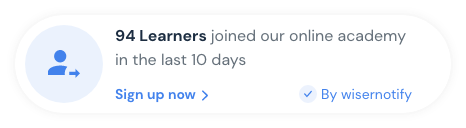
- Live activity on your site. Showing real visitors and recent signups makes a quiet website feel like a business people are choosing right now.

- Enrollment and booking counts. “127 students enrolled” or “14 calls booked this week” shows new visitors they’re not the first ones here.

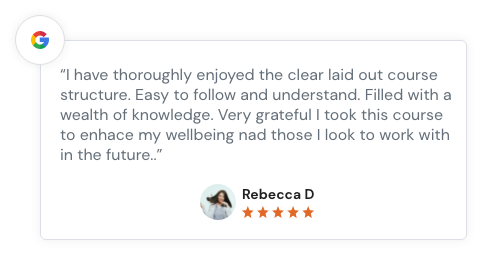
- Reviews from past clients. Around 9 in 10 people read reviews before buying, and the testimonial research shows specific, named stories beat star ratings alone.
We built WiserNotify to handle this part for you. It shows live visitors, recent bookings, and client reviews on your pages as small notifications, and coaches are one of its biggest user groups.
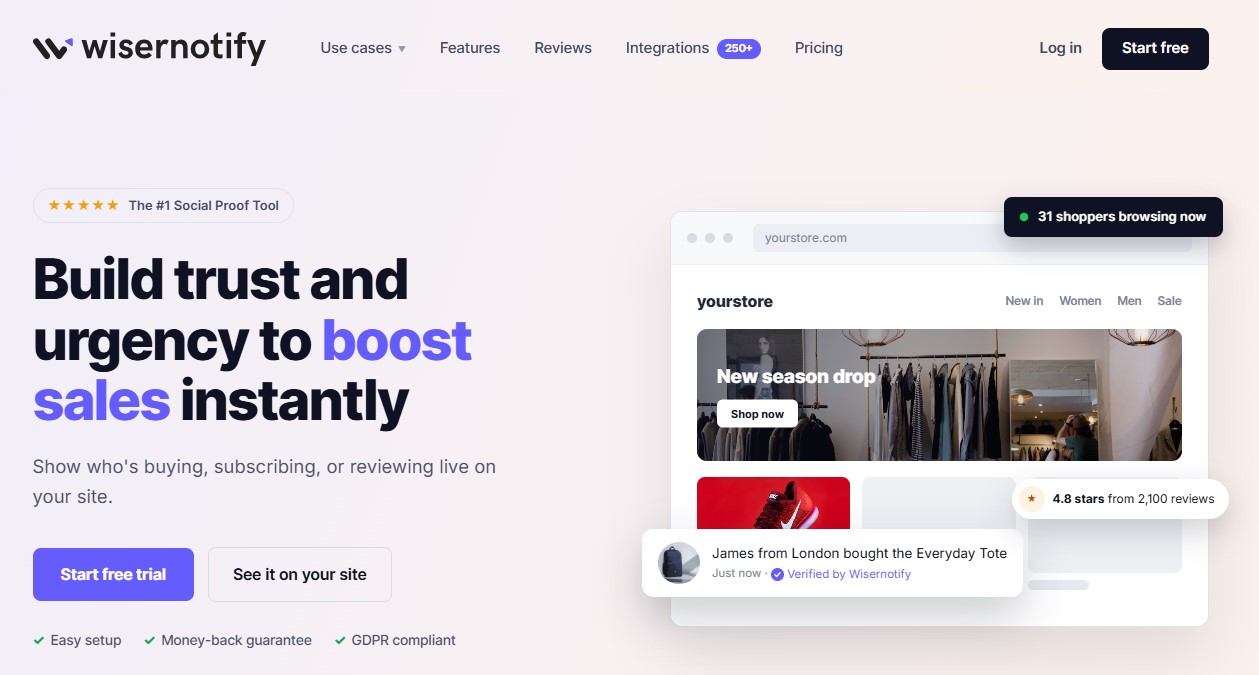
Fair note since it’s our product: the notifications only help once you have real activity to show.
A brand new coach should collect the first few testimonials by hand, then let the notifications take over. Our guide to social proof for coaching businesses covers the order.
5. Market Your Coaching Business With Content
Content is how strangers find out you exist and decide you know your subject, all before you spend anything on ads.
Pick one platform where your niche already spends time and post there consistently. LinkedIn for career and business coaches, Instagram or YouTube for health and life coaches. Posting weekly on one platform beats posting randomly on four.
What to post:
- Answers to the questions clients ask you in session one
- Client transformations, with numbers and permission
- Your take on the bad advice circulating in your niche
- Short previews of how you coach in real sessions, as clips or video pop-ups on your site
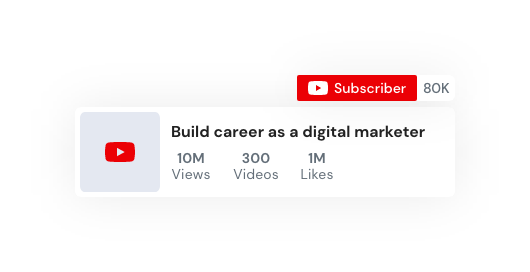
If a video or post performs, show those numbers on your site too. View counts and shares are proof you’re worth listening to.
6. Build an Email List and Send Weekly
Social platforms decide who sees your posts. Your email list is the one audience nobody can take away.
Give people something useful in exchange for their email: a checklist, a short email course, a self-assessment for your niche. Then send one useful email a week. Not a newsletter about you, an email that helps them.
Send the first email the moment someone subscribes. A short welcome that says who you are, what they’ll get, and one useful thing to read sets the tone; silence for two weeks teaches them to ignore you.
The coaches who sell well by email all follow the same shape: help, help, help, offer. By the time they pitch a program, the list already trusts them.
The full playbook is in our guide to email marketing for coaching businesses.
Build trust & FOMO
Highlight real-time activities like reviews, sales & sign-ups.


7. Get On Podcasts, Then Start Your Own
Podcast guesting is the best visibility play for a new coach. Someone else built the audience; you borrow their trust for an hour.
Pitch shows your niche already listens to. Lead with the specific topics you can cover and the results behind them, not your bio.
Start your own show once you’ve guested enough to know what your audience asks. Interview past clients and peers in your niche, and let listeners hear how you think.
People book coaches they already feel like they know.
8. Make Referrals Part of Every Engagement
Referrals are how most coaching businesses grow, and almost nobody asks for them on purpose.
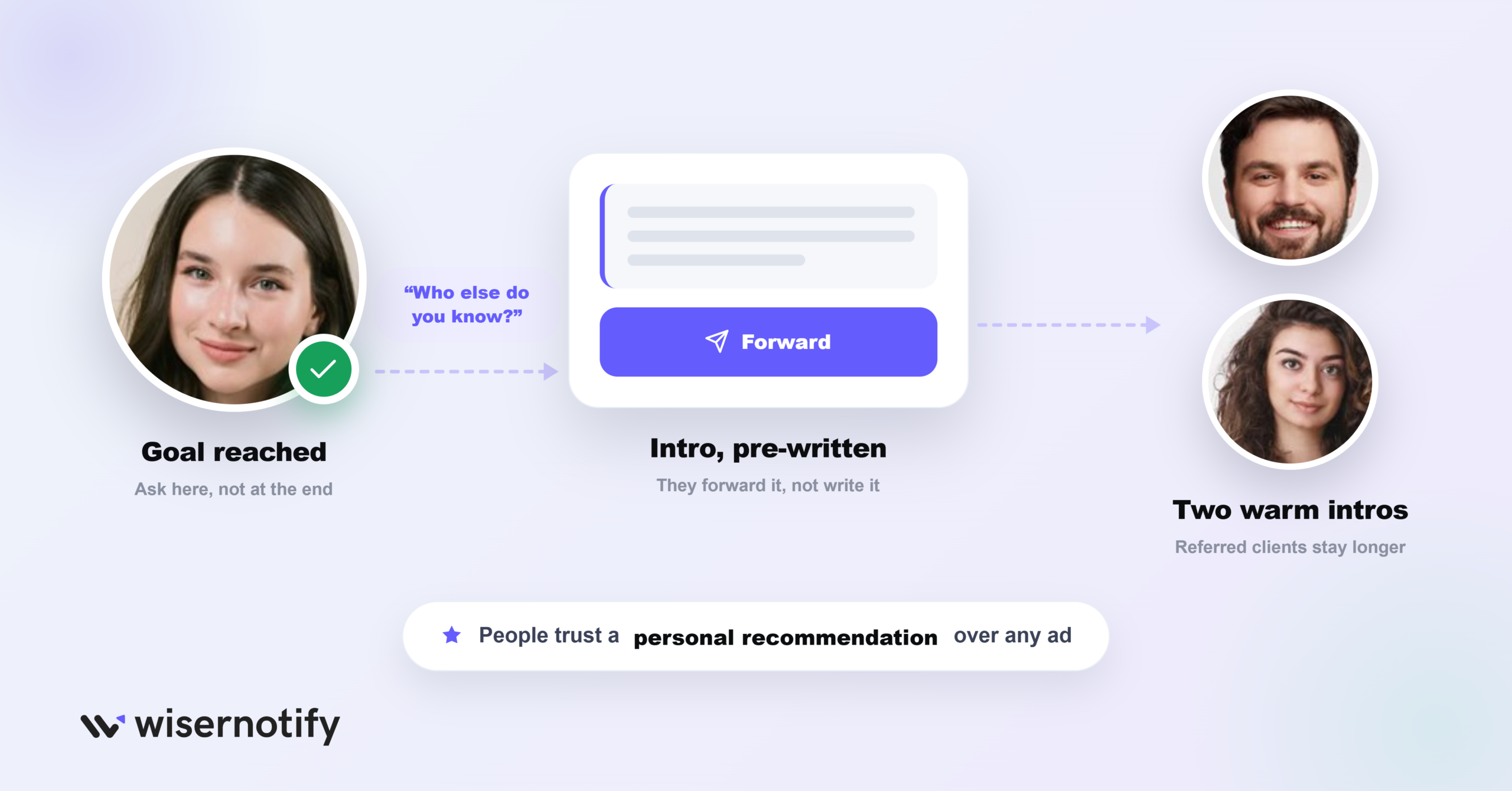
The word of mouth research is blunt: people trust a personal recommendation over any ad, and referred clients stick around longer.
Make asking part of your process. When a client hits a milestone, that session ends with one sentence: “Who else do you know dealing with this? I have room for one more this month.”
Make it easy to say yes. A short intro blurb they can forward beats asking them to write something from scratch.
9. Turn Client Results Into Stories You Can Use
Strategy 4 was about showing proof. This one is about creating it in the first place.
Track a before-and-after number for every client from day one. Revenue, promotion, weight, launch date, whatever your niche measures. Coaching that isn’t measured produces testimonials that say “she’s so supportive,” and those don’t sell.
Then ask for the story while the win is fresh:
- Ask the same week the result lands, not at the engagement’s end
- Send three questions instead of a blank page: where were you, what changed, what’s the number
- Get permission to use their name and photo, because quotes with no name attached look made up
One measured, named client story per month gives you twelve a year. That’s more proof than most coaches ever collect.
10. Run Paid Ads Once Something Already Converts
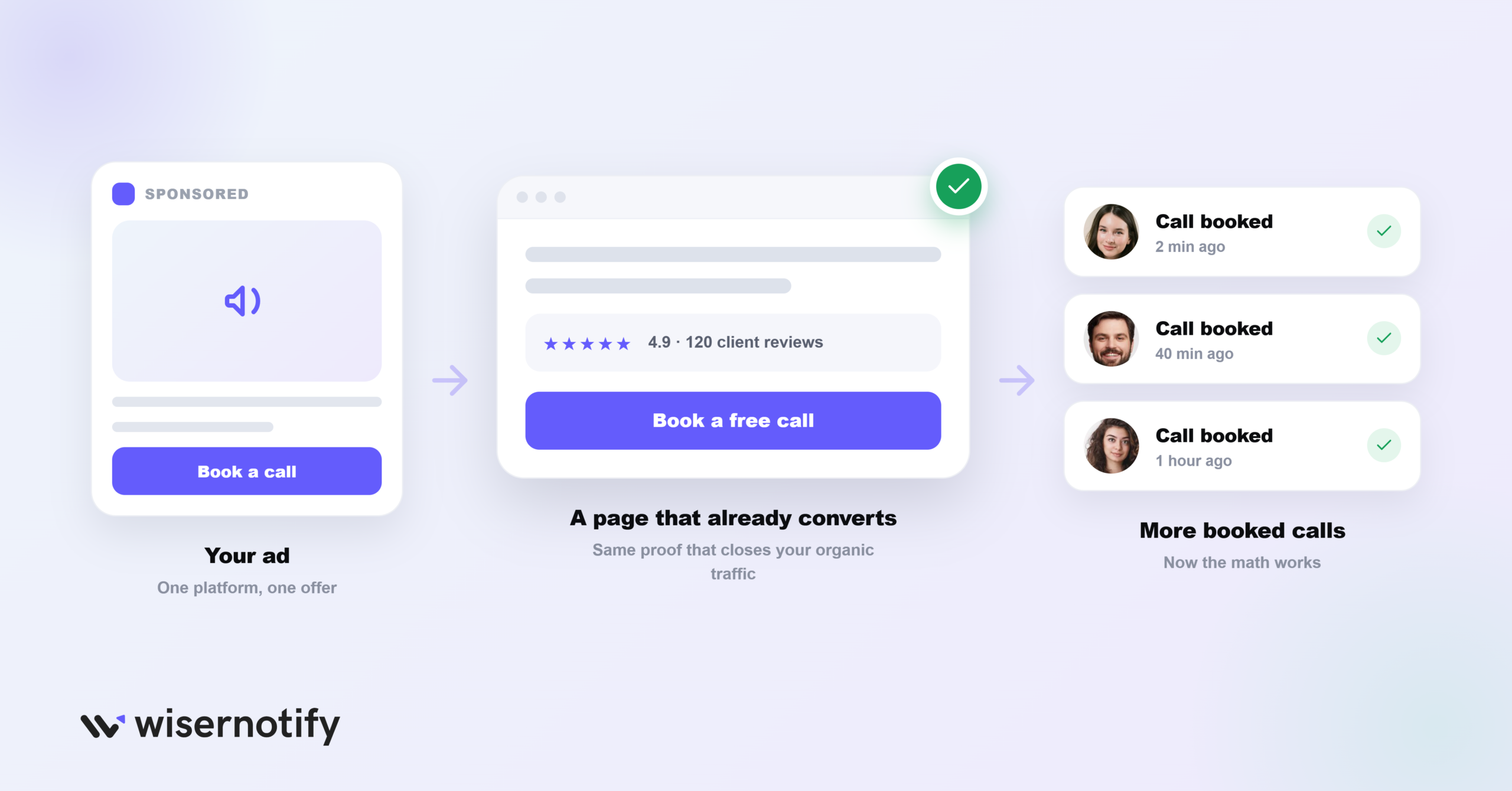
Ads work best once something already works without them.
If your page turns visitors into calls, ads buy you more visitors and the math works. If it doesn’t, you’re paying to send people to a page that doesn’t convert.
When you’re ready, start narrow:
- One platform, the one your niche spends time on
- One offer, not your whole menu
- A small daily budget you can afford to lose
- The same proof on the landing page that closes your organic traffic
The PPC tools roundup covers the tracking side so you know which ads produce calls instead of clicks.
11. Presell New Programs Before You Build Them
If you’re adding a group program or course to your one-on-one coaching, sell it before you build it.
The process has three steps:
- Announce the program and open a founding cohort at a lower price with a deadline.
- Watch who pays. People saying they’re interested doesn’t mean much. People paying does.
- If enough people buy, build it with their feedback shaping the content. If nobody buys, you just saved months.
And if you deliver courses on a platform like Kajabi, these course sales tools help with checkout and urgency during the launch.
Where to Start Growing Your Coaching Business
Every strategy on this list works. They just take different amounts of time and money.
| Strategy | Costs you | First clients in |
|---|---|---|
| Niche and offer (1, 2) | A few days of thinking | Makes everything else faster |
| Referrals (8) | One ask per client | Days to weeks |
| Website and proof (3, 4) | A weekend plus a small tool budget | Converts the traffic you already get |
| Content and email (5, 6) | A few hours weekly, ongoing | 2 to 6 months |
| Podcasts (7) | Pitching time | Weeks per booked show |
| Paid ads (10) | Real money, daily | Fast, once a page converts |
If you’re starting from zero: nail 1 and 2, ask for referrals, and put your proof in order, and let content build from there.
Wrap Up
Growing a coaching business doesn’t come down to one big move. It comes down to a niche people can repeat, a clear offer, proof where prospects look for it, and one channel you show up on every week.
Start with the top of the table and add the rest once each piece is working. The coaches who grow just keep doing the same few things for longer than everyone else.

Boost Conversion Instantly
Add Social Proof & Urgency to your website
Frequently Asked Questions
How long does it take to grow a coaching business?
Most coaches see a steady flow of clients after 6 to 12 months of consistent work. Referrals and a paid first session bring clients fastest, while content and email compound over months.
How do coaches get their first paying clients?
Through people they already know. Tell your network exactly who you help, ask for introductions, and charge from the first session so you hear from people ready to pay, not just window shoppers.
Do I need a niche to grow my coaching business?
You need one to grow past word of mouth. A specific person and problem makes your content, referrals, and ads land. You can widen later once demand is steady.
How do I market a coaching business without paid ads?
Content on one platform, a weekly email, podcast guesting, and referral asks cover most coaches. Paid ads come last, once your page already turns visitors into booked calls.
Do I need a website to grow a coaching business?
You need one page that books calls. A headline naming who you help, visible proof from past clients, and a scheduling button do more than a ten page site.
What is the fastest way to get more coaching clients?
Ask current and past clients for one referral each. A recommendation from someone who got results converts faster than any channel you could build this month.

Krunal Vaghasiya is a marketing tech expert who boosts e-commerce conversion rates with automated social proof and FOMO strategies. He loves to keep posting insightful posts on online marketing software, marketing automations, and improving conversion rates.




 Capterra