
12 Inspiring Unique Selling Proposition Examples Must Try

Every business claims to be the best. A strong unique selling proposition proves it, in words a customer remembers.
Brands with a clear USP grow faster because customers know exactly what they’re buying and why it matters to them, not just what’s listed on the label. Research shows brands with a strong USP see 23% higher revenue growth than those without one.
This guide covers what a USP is, why it drives growth, 12 real examples worth studying, and a simple process for writing your own.
What Is a Unique Selling Proposition (USP)?
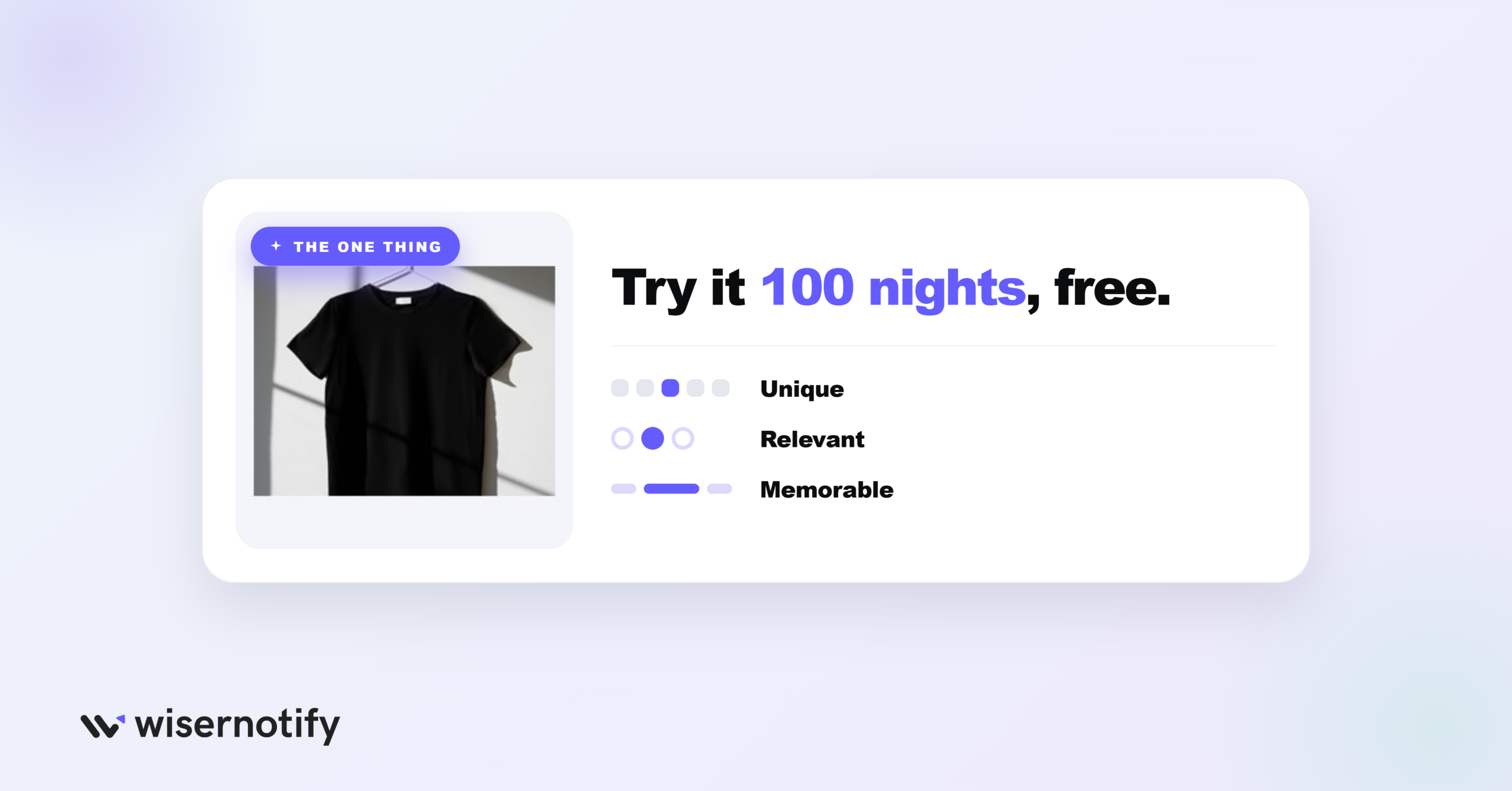
A unique selling proposition is a clear, specific statement that explains what makes your product, service, or brand stand out from the competition. It is the one thing that convinces a customer to choose you over every other option.
A good USP highlights a benefit, feature, or value that only you offer, and it should speak directly to what your customer needs or struggles with.
- Unique: clearly shows how you’re different from other businesses
- Relevant: connects with the audience’s needs or pain points
- Memorable: sticks in a customer’s mind so it’s easy to recall
Apple’s “Think Different” and Nike’s “Just Do It” both do this well. Neither is a feature list, they’re a statement of what the brand stands for, and that’s what makes them stick.
USP vs. Value Proposition: What’s the Difference?
The two get used interchangeably, but they’re not the same thing.
- Value proposition: the full case for why someone should buy from you at all, covering every benefit you offer
- USP: the one specific trait inside that case that no competitor can also claim
A value proposition can run several sentences. A USP narrows all of that down to the single line a customer actually remembers.
Why a Strong USP Drives Business Growth
A well-defined USP does more than sound good on a homepage. It shapes how customers find you, choose you, and remember you.
- When your USP speaks to your audience’s pain points, you attract customers who already resonate with what you offer
- It carves out a positioning that’s yours, so customers have a clear reason to pick you over a competitor
- It becomes the foundation of your marketing, keeping your message consistent across ads, social, and content
- It builds an emotional connection when it reflects the value your customers care about
- It makes your brand easy to understand at a glance, what you offer and why it’s different
Also Read: Simple Ways to Increase Membership Sales Across Businesses
Key Elements of an Effective USP
A strong USP is built on a few core traits. Get these right and the rest of your messaging gets easier.
- Clear and specific: 10 words or less, memorable, and aligned with what your customer already expects
- Customer-centric: built around your customer’s actual needs, not your own list of features
- Different from competitors: focused on something your competitors overlook, like a level of service that builds lasting loyalty
- Value-driven: centered on the specific benefit that matters most to your audience
12 USP Examples From Real Brands
1. Canva
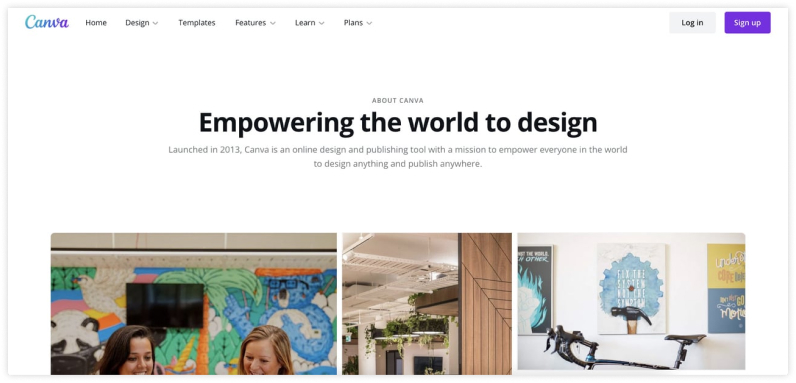
Canva’s USP is “Empowering the World to Design” without the cost or complexity of traditional design software. It simplifies graphic design enough that anyone can use it, no training required.
While most competitors chase advanced features for professional designers, Canva stays focused on ease of use for casual users, small businesses, and educators, and that focus is what makes it stand out.
2. Hiver
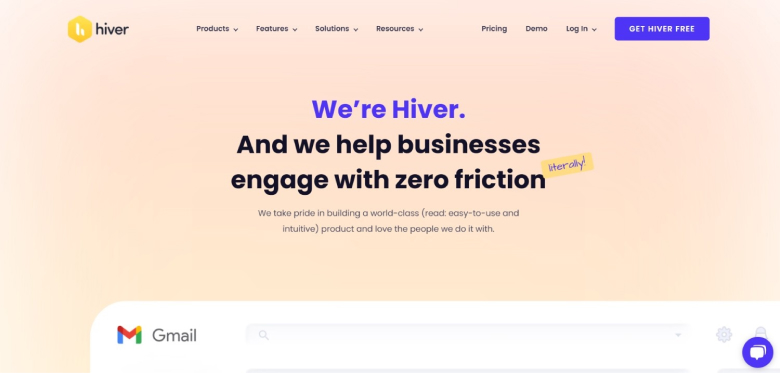
Hiver brings every communication channel, app, and piece of customer data into one AI-powered platform. Its USP is zero friction engagement, letting teams collaborate and support customers without juggling five different tools.
The pitch lands especially well with companies already on Google Workspace, since Hiver slots into a familiar environment instead of asking teams to learn something new.
3. Zoom
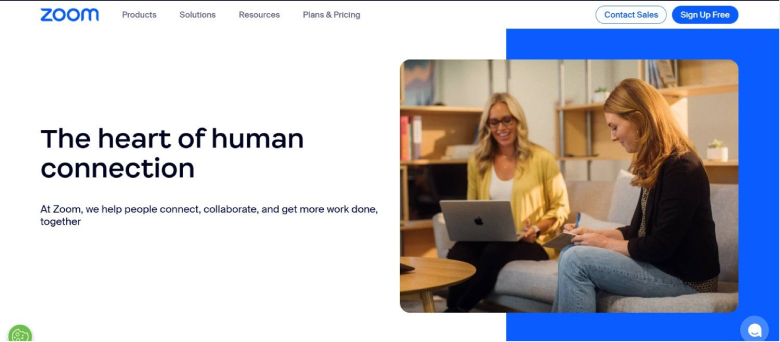
Zoom’s value proposition is simple: reliable, easy video meetings that scale from a two-person call to a large webinar without a complicated setup.
That scalability is the differentiator. Zoom works just as well for a solo freelancer as it does for a global enterprise, which is part of why it became the default choice for remote work and online education.
4. CloudTalk
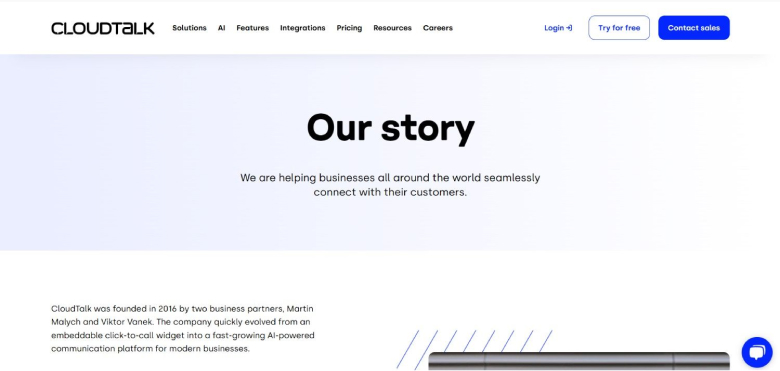
CloudTalk helps businesses connect with customers through an AI-powered communication platform, built to improve the customer experience without a steep learning curve.
Its click-to-call widget and global reach are the standout features, giving companies fast, reliable communication with almost no setup friction, exactly what busy support teams need.
5. Bombas
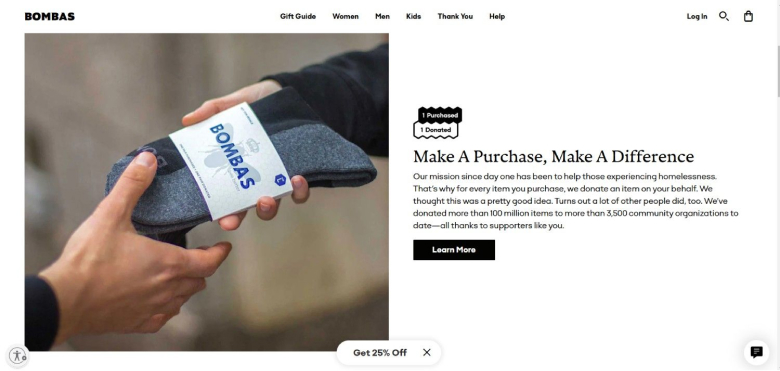
Bombas pairs quality products with a simple mission: for every item purchased, they donate an item to someone experiencing homelessness.
That one-for-one model turns a purchase into a contribution, and it’s the emotional weight of that trade that keeps customers coming back, not just the socks themselves.
6. Taylor Stitch
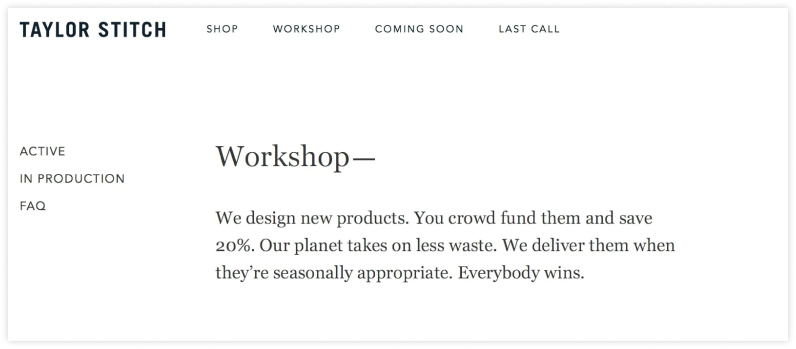
Taylor Stitch runs on a crowdfunding model, letting customers pre-order new designs before they’re made. Backers save 20%, and production only happens once there’s real demand, cutting down on waste.
Affordability, sustainability, and a product made because people asked for it, that combination is what sets Taylor Stitch apart from a standard clothing brand.
7. Ben & Jerry’s
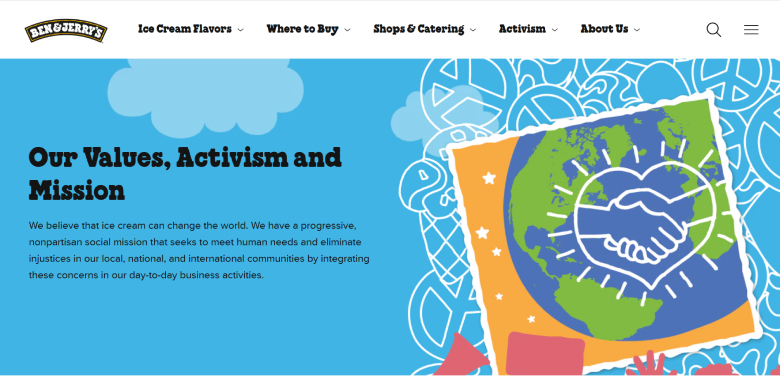
Ben & Jerry’s USP is built on the idea that ice cream can change the world. Beyond making a good product, the brand uses its platform to support progressive, nonpartisan causes.
That activism is the differentiator. Customers who care about the causes get a treat that feels like it stands for something, which turns Ben & Jerry’s into more than just an ice cream company.
8. Away
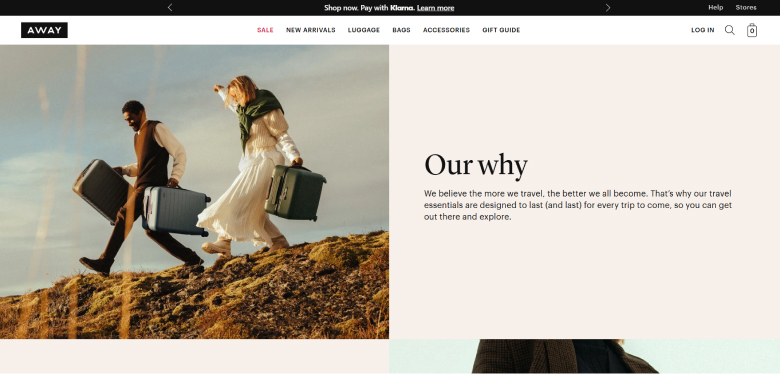
Away makes premium luggage built around one idea, traveling more makes us better. The mission is durable travel essentials that improve the trip, not just carry your bags.
Sustainable materials, thoughtful design, and a clear point of view give Away’s USP staying power, well beyond “our suitcases are nice.”
9. Thrive Market
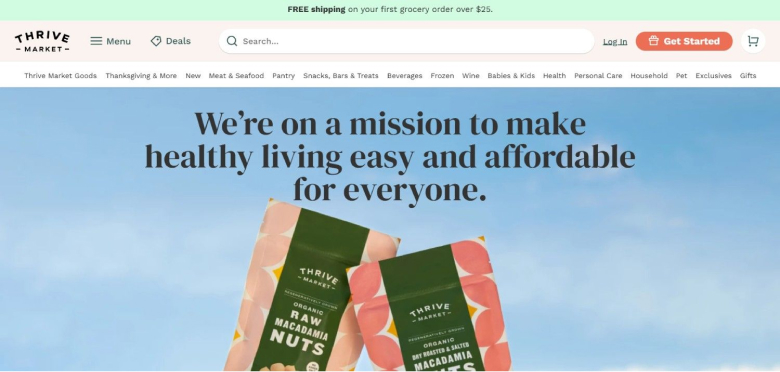
Thrive Market’s mission is to make healthy living affordable and accessible. The online grocer focuses on breaking down the cost and convenience barriers that usually stand between people and better food choices.
Its membership model is the hook, giving customers wholesale prices on high-quality, ethical products in exchange for a yearly fee, a trade that conscious shoppers are happy to make.
10. Spotify
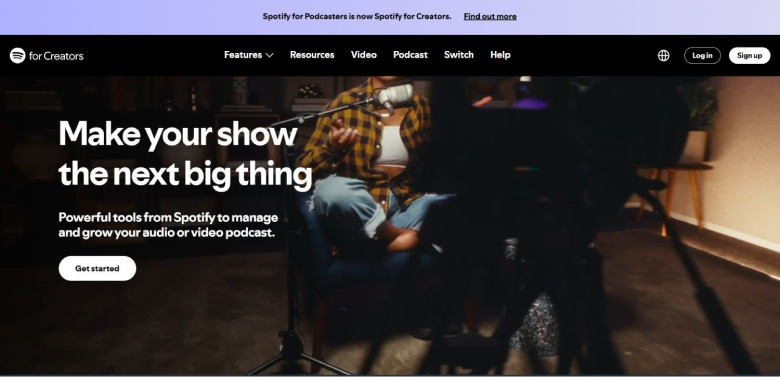
Spotify for Creators has one clear promise, helping you turn your podcast into the next big thing. The USP works because it pairs simplicity with tools built specifically for creators.
Creators get everything they need to manage, grow, and promote their show, while Spotify handles the technical side, so the focus stays on making content instead of fighting software.
11. Dossier
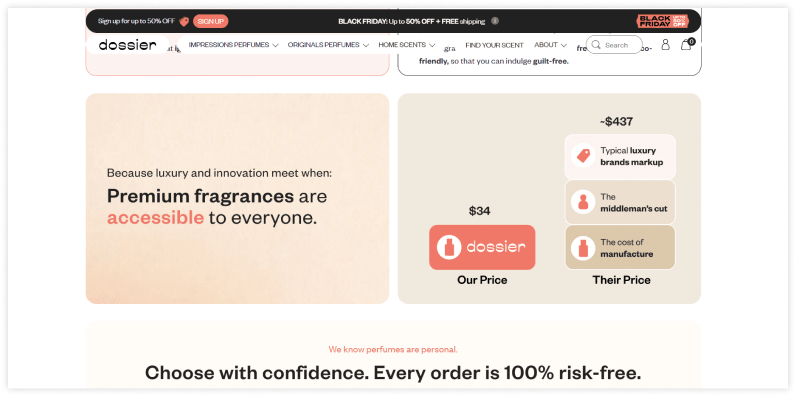
Dossier makes premium fragrance accessible by skipping the inflated markup that comes with luxury branding. The scents are made to compare closely with designer originals, at a fraction of the price.
Transparent pricing and risk-free returns remove the guesswork, so customers get luxury-level scent without the luxury-level bill or the buyer’s remorse.
12. Ruggable
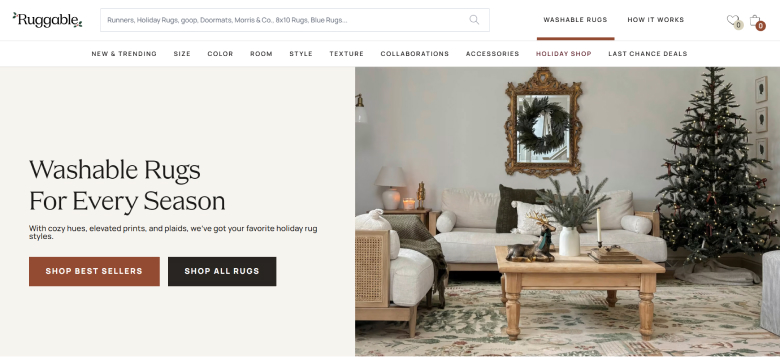
Ruggable solves a problem most rug brands ignore, being able to clean the thing. Its washable rugs work indoors and outdoors without the usual hassle of professional cleaning.
Style without the maintenance is the pitch, and it’s specific enough that anyone who has ever ruined a rug immediately understands the appeal.
How to Write a Unique Selling Proposition
Writing a USP doesn’t have to be complicated. Follow these steps to build one for your brand.
1. Identify Your Target Audience
Know who you’re selling to before you write a word. What do they need, want, or struggle with? A buyer persona helps here, since a USP written for everyone usually resonates with no one.
2. Define Your Core Benefit
What’s the single biggest advantage your product offers? Focus on the one benefit that solves a real problem for your customer, in a way your competitors don’t.
3. Study the Competition
Look at what your competitors are already claiming. Understanding their USPs and value propositions shows you exactly where the open space is for yours.
4. Name the Difference
What makes you different, better, cheaper, faster, more thoughtful? Pin down the specific feature or value that sets your offer apart, and say it plainly.
5. Keep It Short
A long USP doesn’t get read. Aim for one sentence that’s clear enough to say out loud and specific enough that a customer immediately gets what makes you different.
6. Test and Refine
A USP is never finished. Watch how your audience responds, collect feedback, and adjust it as you learn what resonates.
Common USP Mistakes to Avoid
Most weak USPs fail for the same handful of reasons.
- Trying to appeal to everyone: a USP built to please every possible customer ends up connecting with none of them
- Copying a competitor’s angle: if your USP could belong to any brand in your category, it isn’t one
- Leading with features, not benefits: customers care about what a feature does for them, not the feature itself
- Making claims you can’t back up: a USP that oversells breaks trust the moment a customer finds out
- Setting it once and forgetting it: a USP that never gets revisited quietly goes stale as the market moves on
Why Your USP Should Evolve With Changing Markets
Businesses change, and so does what makes them worth choosing. A USP written for your company three years ago may not describe it today.
As you grow, launch new products, or enter new markets, your USP needs to keep pace. An outdated one stops connecting with your audience and starts sounding like it’s describing a different company.
Revisiting your USP regularly keeps your brand competitive and customer-centric, which is what builds long-term loyalty in the first place.
Wrap Up
Your unique selling proposition is the message that gets a customer to pick you instead of the next tab they have open. It should say, in one clear line, why you’re the better choice.
The brands above didn’t get there with a clever slogan alone, they built a real difference and then said it plainly. That’s the model worth following.
A USP is only words until customers see proof behind it. WiserNotify shows real customer activity and reviews right on your site, so visitors see your claim backed up in real time, not just stated on a page.
Revisit your USP as your business changes, and it keeps doing its job, standing out, staying relevant, and giving your customers a reason to choose you.
Frequently Asked Questions
What is a unique selling proposition?
A unique selling proposition is a clear, specific statement that explains what makes your product, service, or brand stand out from the competition, and why a customer should choose you over anyone else.
How long should a USP be?
Keep it to one sentence, ideally 10 words or less. A USP that takes a paragraph to explain usually isn’t clear enough yet.
How do I write my own USP?
Identify your audience, define your core benefit, study what competitors already claim, name your real difference, and write it as one short, clear sentence.
Should a USP ever change?
Yes. As your business grows, launches new products, or enters new markets, your USP should be revisited so it still reflects what makes you different today.
Is a USP the same as a slogan?
A slogan is just a catchy line. A USP is the reason behind it, the specific benefit or value that makes your business genuinely different.

Krunal Vaghasiya is a marketing tech expert who boosts e-commerce conversion rates with automated social proof and FOMO strategies. He loves to keep posting insightful posts on online marketing software, marketing automations, and improving conversion rates.




 Capterra