
How to Increase Direct Bookings for Hotels (13 Ways)
Every booking that arrives through Booking.com costs you somewhere between fifteen and thirty percent. The same booking taken on your own site costs about four or five percent.
On a £200 room that is roughly £36 to the OTA against £9 direct. Shift a hundred bookings a year and you have found £2,700 without selling a single extra night.
Below is what those channels cost, thirteen ways to move bookings across, and what to do in the months when nobody is travelling.
What an OTA Booking Costs You
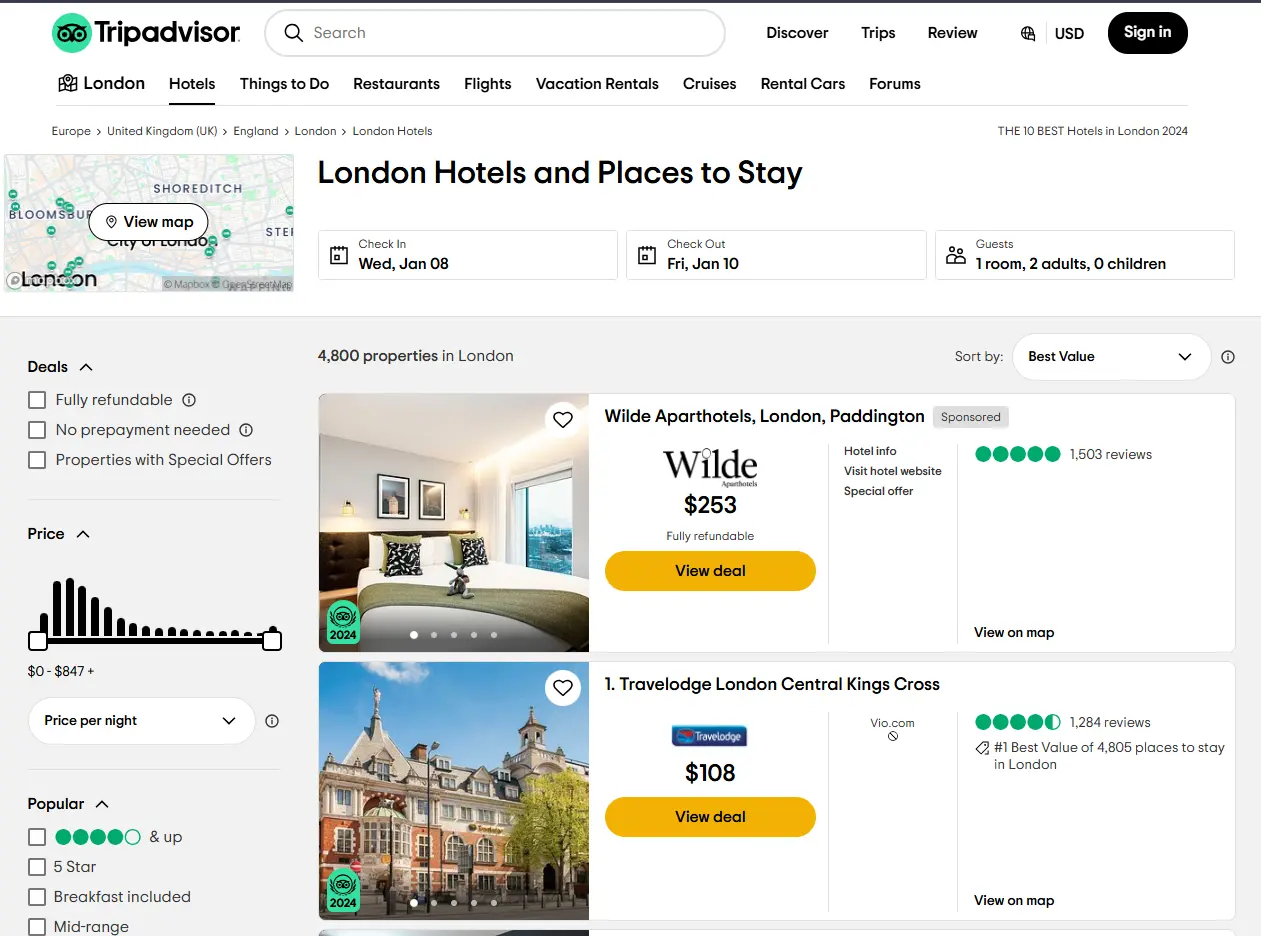
The headline number is not the real one. Add in the paid placements and it looks like this:
| Channel | Headline | All-in |
| Booking.com | 15% | 18-30% with Genius and Visibility Booster |
| Expedia | 15-18% | 17-23% with Accelerator |
| Agoda | 18-25% | higher on preferred placement |
| Direct on your site | – | around 4-5% for payments and the booking engine |
There is a second cost nobody puts on the invoice. In 2025 21.8 percent of OTA bookings were cancelled against 10.6 percent booked direct, so the channel that costs you most is also the one twice as likely to give the room back.
None of that means dropping the OTAs. They still bring around sixty percent of independent hotel bookings and put you in front of people who would never have heard of you. What you want back are the guests who would have found you anyway.
Build trust & FOMO
Highlight real-time activities like reviews, sales & sign-ups.


How to Increase Direct Hotel Bookings
Thirteen of them, strongest first.
1. Your booking engine loses the sale
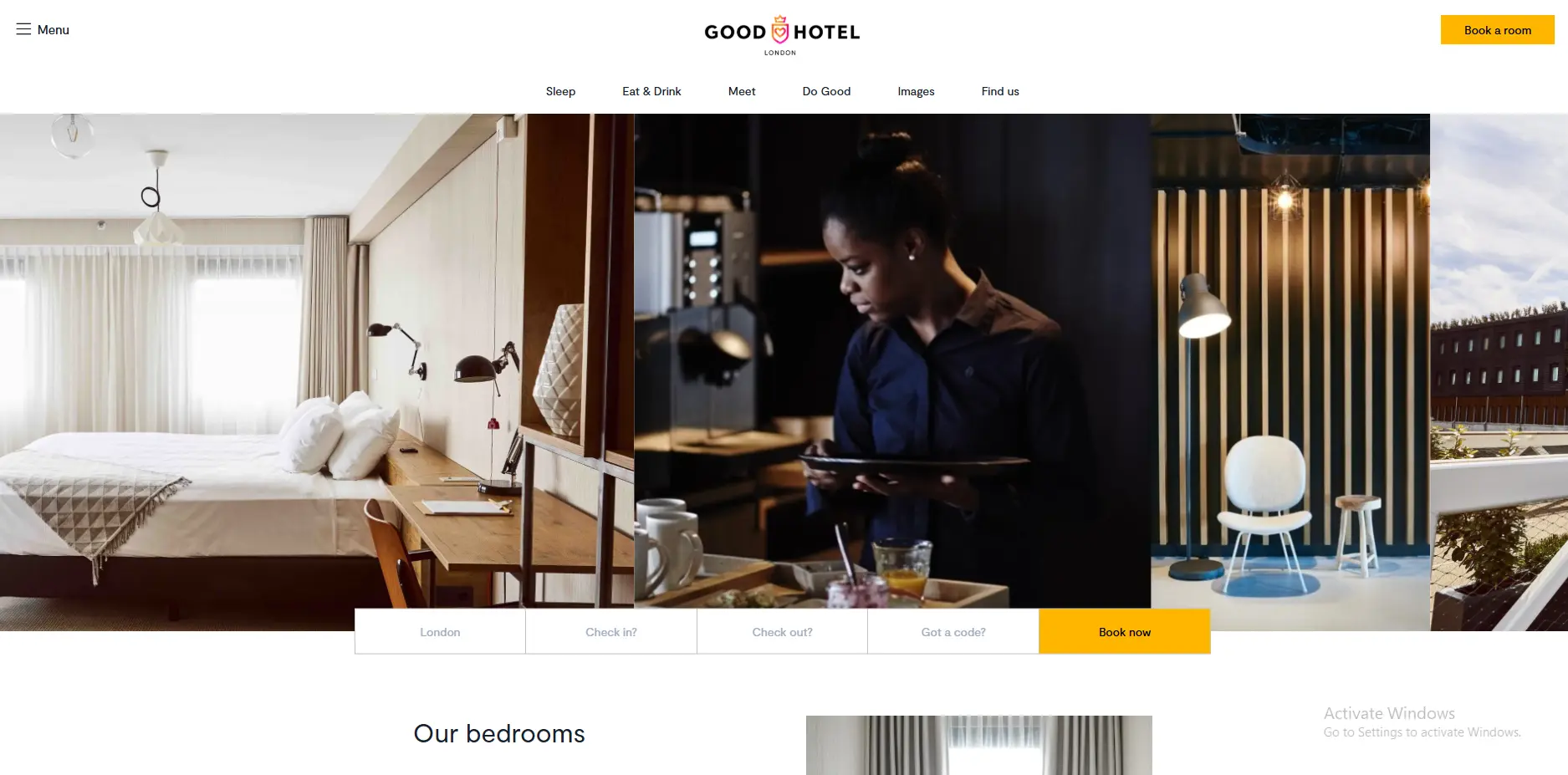
Most hotel sites convert at under half the rate of the OTA they are competing with, and it is nearly always the booking steps to blame rather than the design.
Dates on the homepage, no forced account, rates visible in three clicks, and the whole thing working on a phone. Test it yourself on a Sunday night with the wifi off.
2. You can still beat the OTA price
Most contracts stop you going under the public price, so win on everything that is not the price.
Free breakfast, a late checkout, an upgrade at check-in, parking, no deposit. All of it costs less than the commission and none of it breaks the clause.
3. Nobody knows direct is cheaper
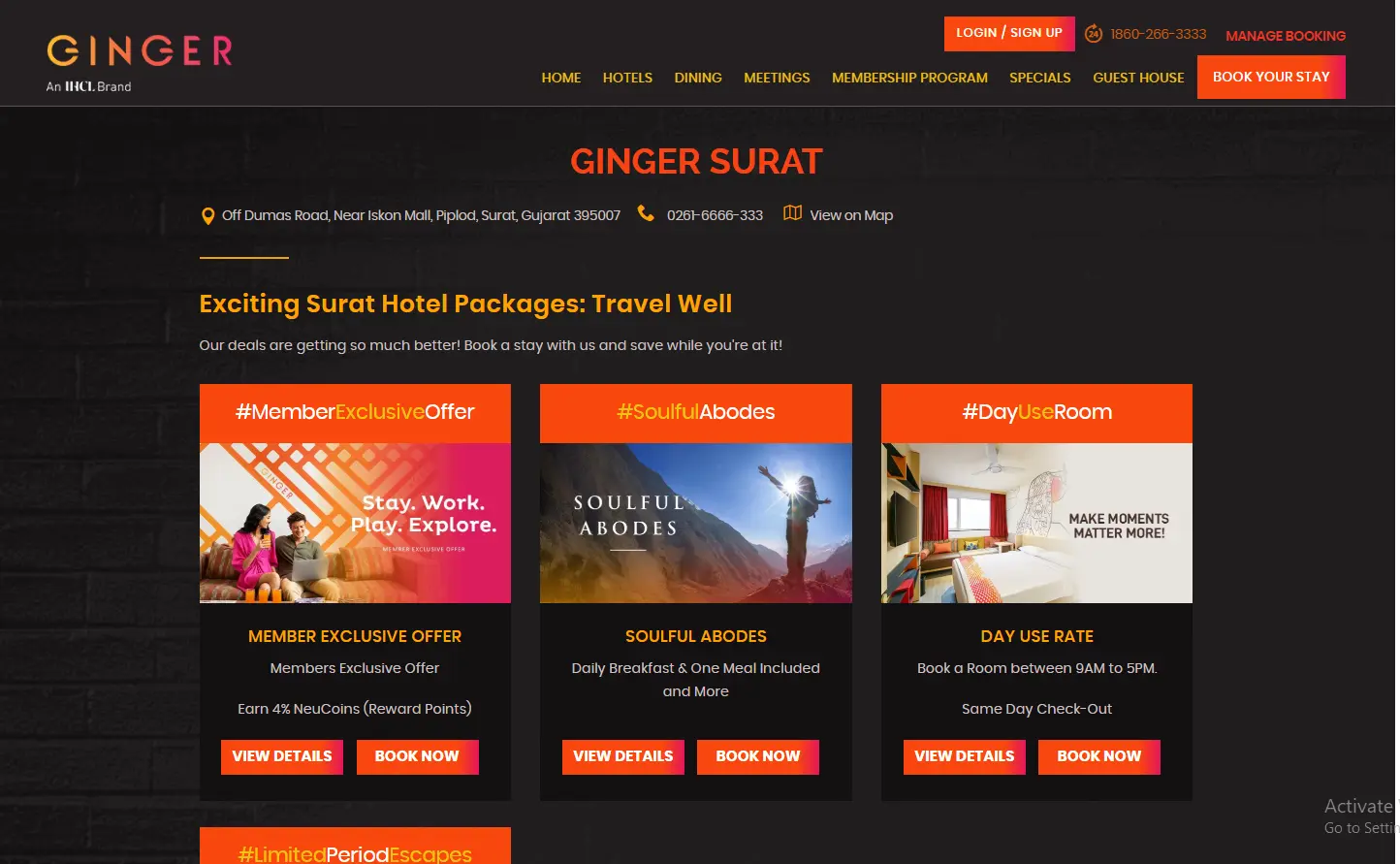
Someone who lands from Google has no idea booking with you is the better deal. Say so above the rate, in one line: “Book direct for free breakfast and the best rate we offer.”
Repeat it inside the booking flow, because that is where they weigh your price against the tab they still have open.
4. Metasearch decides the click
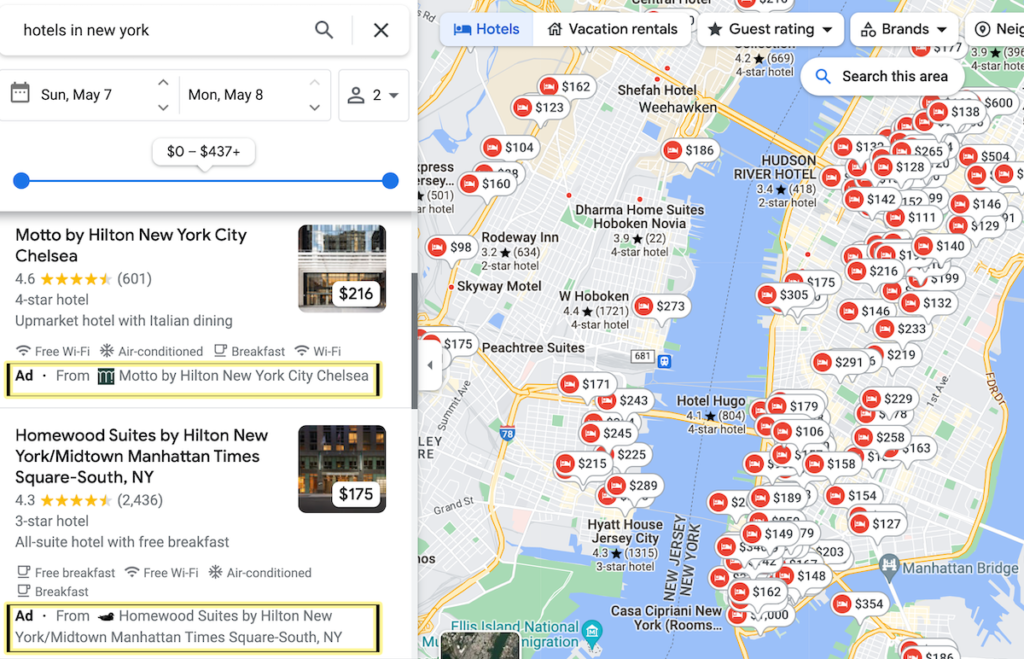
Google Hotels, Trivago and Kayak show your rate next to the OTA rate, and a lot of travellers check there before booking.
Free booking links cost nothing and get your price into that line-up. Leave it and the OTA answers for you.
5. Your page looks empty beside theirs
Open your room page and the Booking.com listing side by side. Theirs carries a review score, live interest, a room count and who booked this morning. Yours has a price and a photo.
- Recent bookings. A line saying somebody took a room this morning tells a nervous guest the place is running.
- The review score next to the rate. Not buried at the bottom of the page, where nobody scrolls.
- Remaining availability. Only when it is your real count. Guests check it against the OTA tab and will catch you out.
- Interest in those dates. A count of who else has been looking at the nights they chose.
None of it works if the numbers are made up. Somebody with two tabs open is the last person you will fool.
6. You do not need a points scheme
A list of past guests and a standing offer does the same job for an independent hotel.
Ten percent off for anyone who has stayed before, a room they liked kept aside, a note that remembers the dog. Repeat guests are the bookings that should never be paying commission.
7. Reviews decide it, not the rate
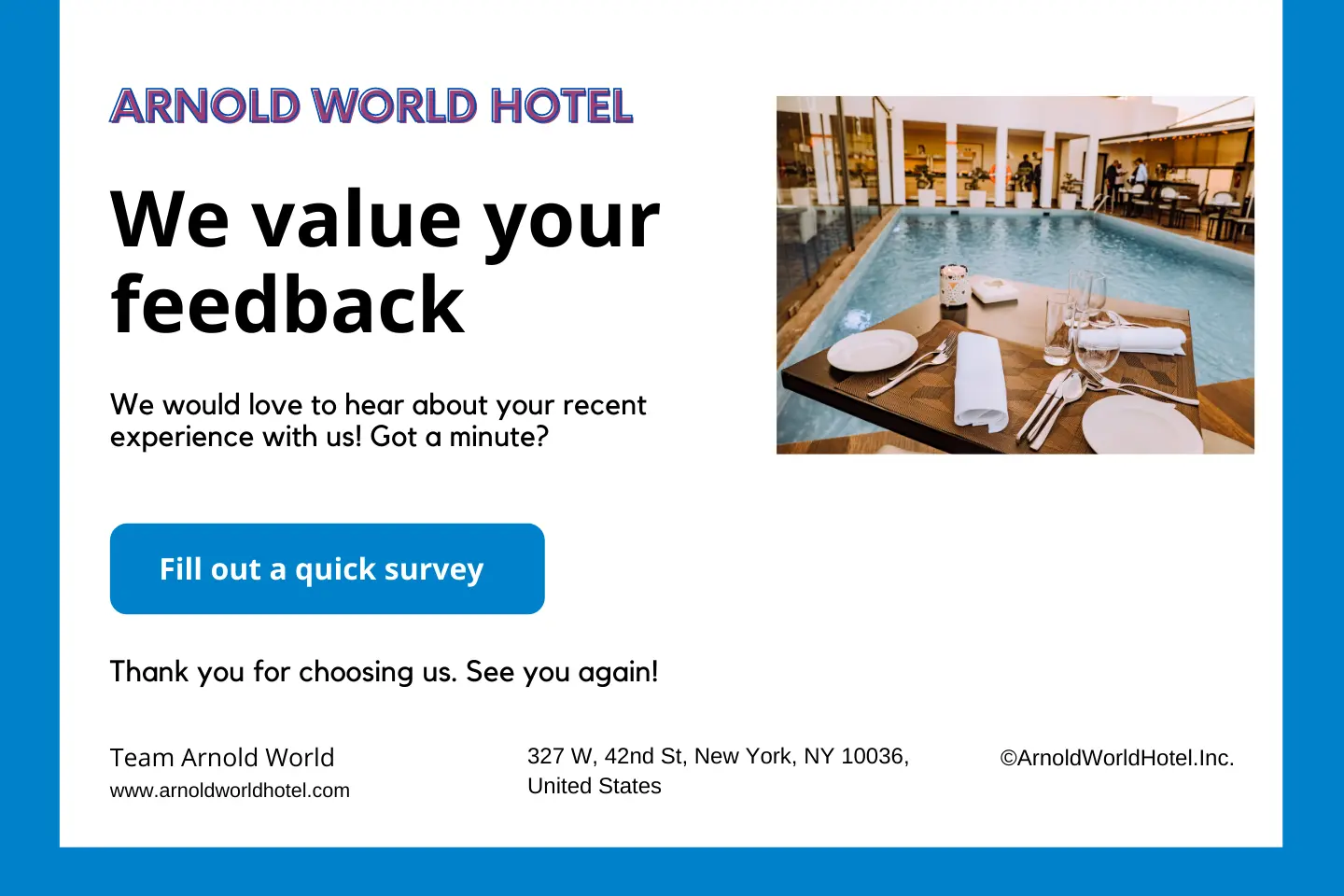
Nobody books a hotel without looking it up first. Your Google and TripAdvisor scores are doing more work than your price.
Ask on checkout day while it is fresh, and answer everything, including the bad ones. A calm reply to a one-star does more good than ten fives. Our guide to getting more hotel reviews covers the asking.
Build trust & FOMO
Highlight real-time activities like reviews, sales & sign-ups.
8. People who checked dates come back
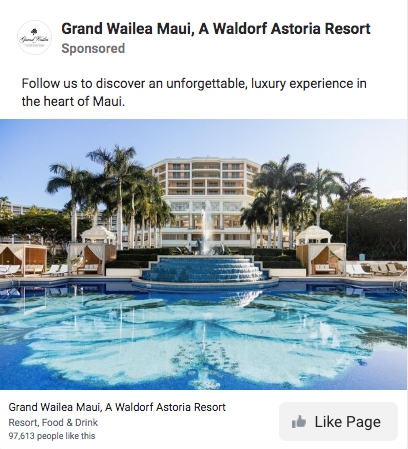
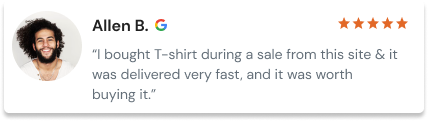
Somebody who checked your dates and left is worth far more than a stranger, and people take weeks over a hotel, so they have not decided yet.
Run those separately, keep the window at several weeks, and send them back to the dates they looked at rather than the homepage.
9. Guests want the standard room
Hotel photography defaults to the empty suite at golden hour. What gets booked is the entry-level double, the bathroom, the view from a normal floor and what breakfast looks like.
Add a short walkthrough video. It shows things a photo cannot, and it keeps the guest off the OTA tab looking for better pictures.
10. Past guests are the cheapest sale
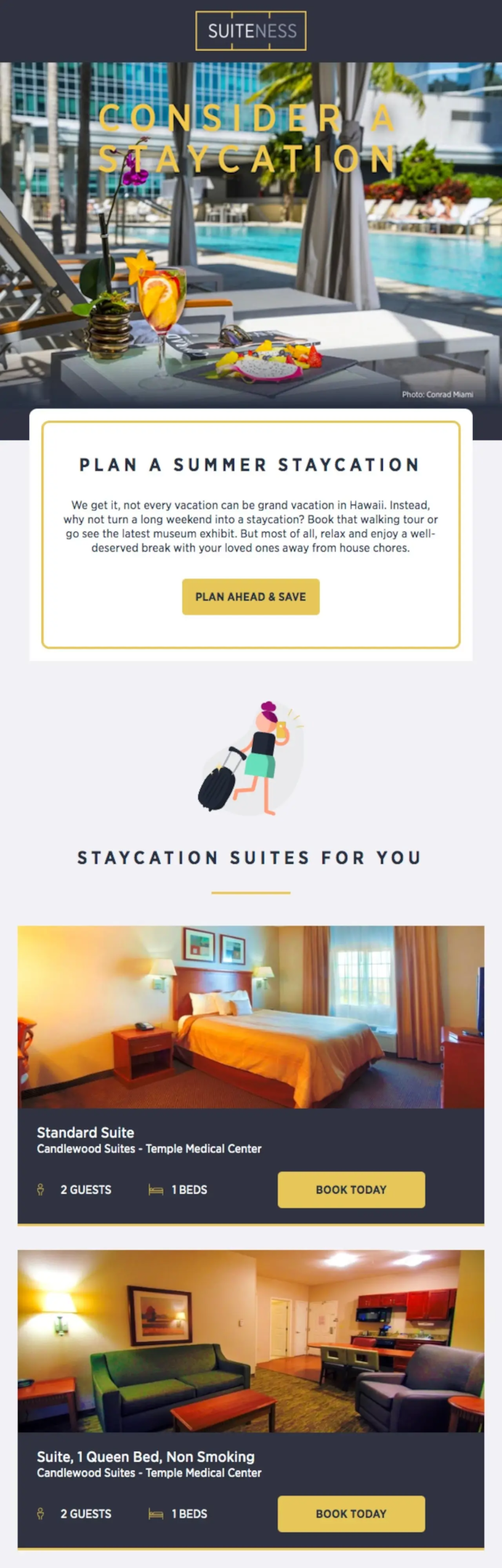
No other channel you own is this cheap, and most hotels use it twice a year.
Split the list by why they came. A couple in for an anniversary wants a different email from a contractor who stayed nine nights. We have covered the segmenting in email marketing optimisation.
11. People book a trip, not a room
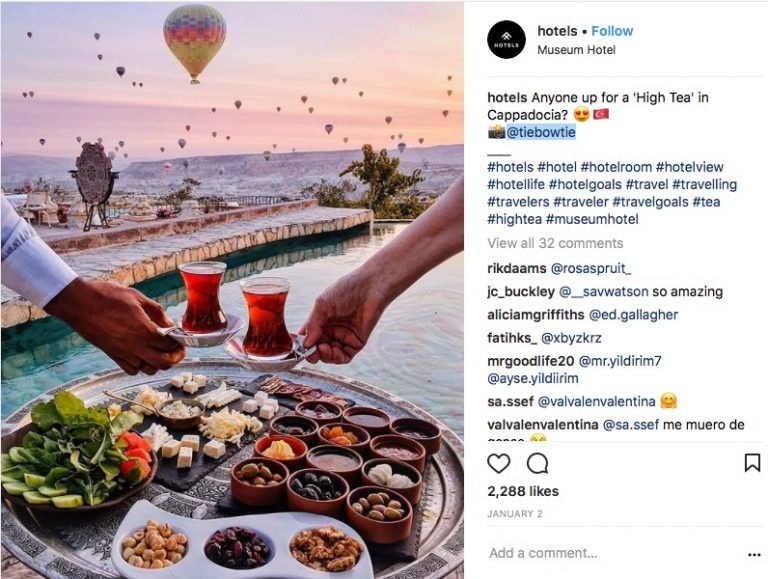
A post about the festival that weekend, or the walk that starts at your door, sells more nights than another shot of the lobby.
Package it: two nights plus the tasting menu, or a stay that covers the ferry. An OTA cannot match a bundle on price, which is half the reason to build one.
Build trust & FOMO
Highlight real-time activities like reviews, sales & sign-ups.

12. The front desk wins the next stay
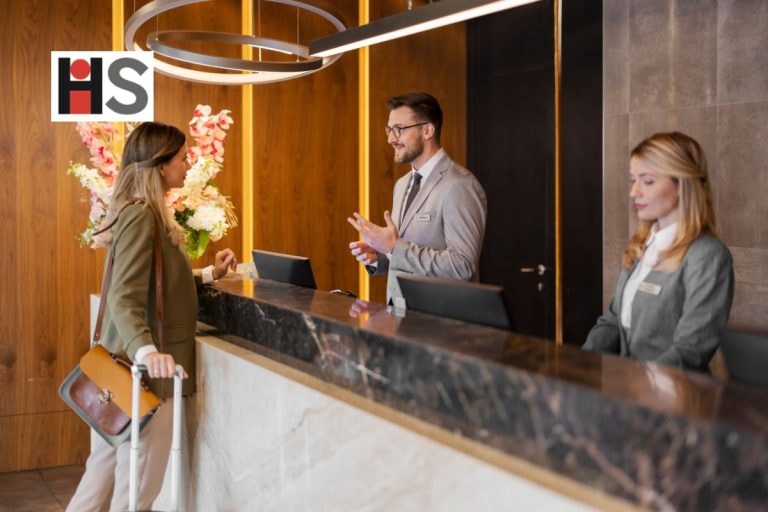
The cheapest direct booking you will ever get is made at checkout, by the person who just enjoyed the stay.
A card with a returning-guest code, a line from the receptionist, and a follow-up email a week later. This costs nothing and almost nobody does it.
13. Your rate shows up uninvited
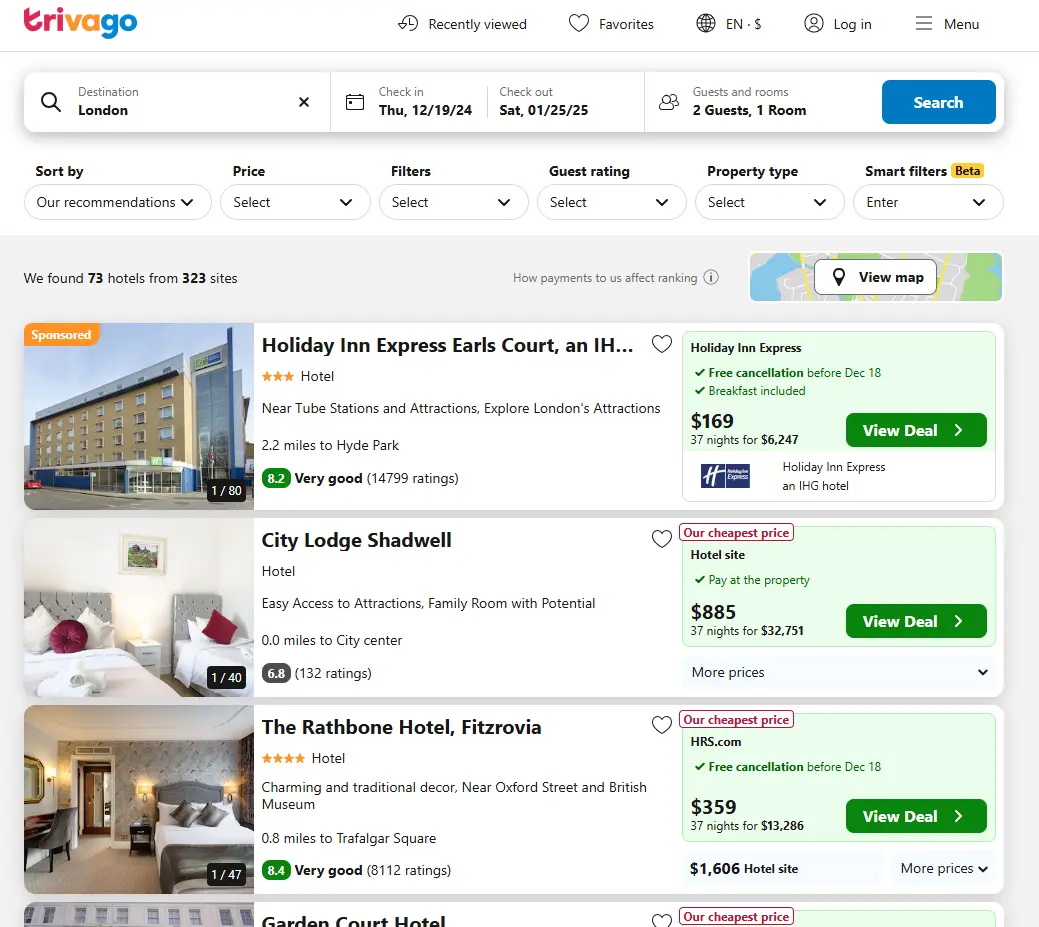
Cut-price versions of your rate turn up on sites you never signed with, undercutting you without telling you.
Check the metasearch listings for your own hotel once a month. If your direct rate is not the best one showing, the direct message on your site is doing nothing.
Filling Rooms in the Low Season
Empty rooms are a different problem from lost bookings, and cutting the price rarely fixes it.
- Sell midweek to a different guest. Remote workers, contractors and small training groups fill Monday to Thursday when leisure will not.
- Give people a reason for a quiet month. A supper club, a winter walking weekend, an off-season rate that includes something rather than just costing less.
- Go local. Within-an-hour guests book late and travel in bad weather, and they are the market that fills a February weekend.
- Sell the shoulder before you cut the peak. Discounting a week you would have sold anyway costs more than anything you will make in the quiet one.
- Book the annual events now. Weddings, conferences and sports fixtures land in the empty months if you go after them a year ahead. There is more on that in wedding venue bookings.
How WiserNotify Increases Hotel Bookings
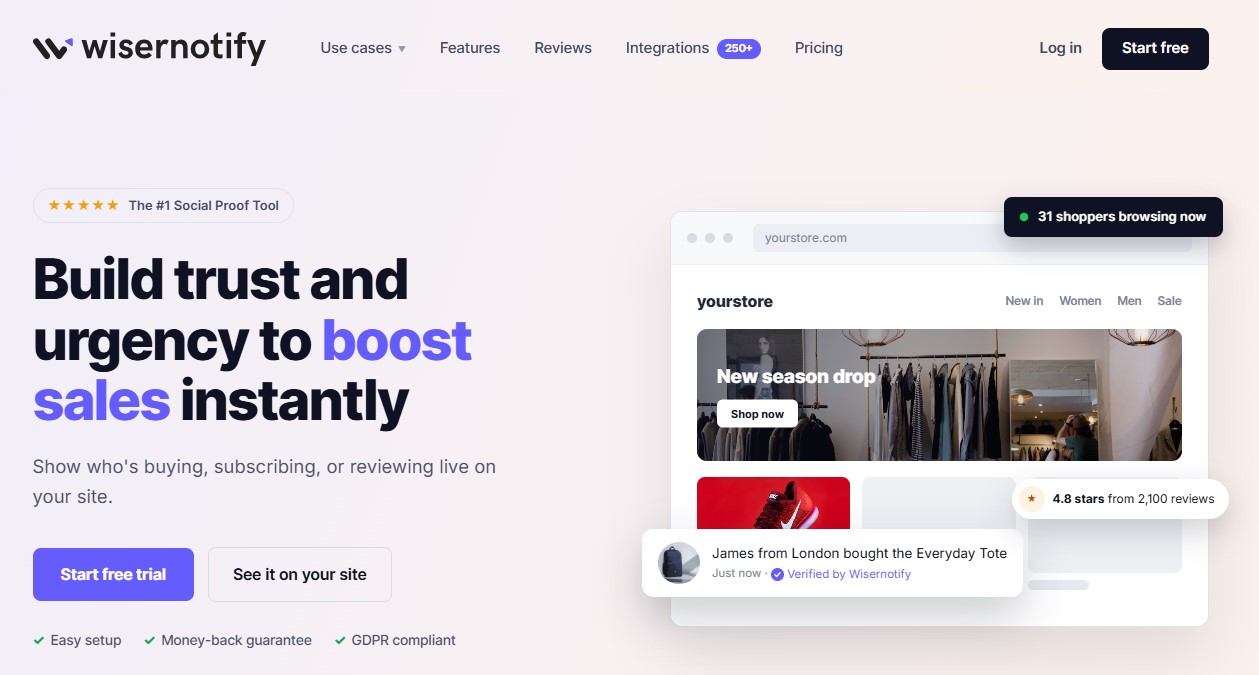
Knowing what to show is the easy part. Getting those numbers out of your reservation system and keeping them right, on every room page, every day, is the part that beats most hotels. So the page stays bare.
WiserNotify is a social proof tool that does that side for you, taking your real bookings onto the page through 250-plus integrations.
- Booking notifications. “Someone booked the Garden Double 12 minutes ago”, straight from your booking engine, with the room name and timestamp filled in for you.
- Live visitor notifications. How many people are looking at the same dates right now. This is the single signal every OTA runs and almost no hotel site does.
- Recent activity counters. Bookings taken this week, or rooms left at that rate, on a window you set yourself.
- Review notifications. Your ratings from every platform pulled into one feed and shown on the room page, instead of only on the OTA listing.
- Review feed widget. A block of real guest reviews on the booking page itself, where the comparison is happening.
- Countdown timer widget. For a real early-bird deadline or a rate that does end, not a made-up one.
- Announcement bar. The direct-booking perk across every page, so nobody misses it.
- Display and trigger rules. By page, device and whether they have been before, so a third-time visitor comparing dates sees something different from a first-timer.
Every figure comes from your own bookings, so a quiet week looks like a quiet week. The social proof statistics cover how much these notifications move the number.
Build trust & FOMO
Highlight real-time activities like reviews, sales & sign-ups.
Wrap Up
Fix the booking engine, tell people what booking direct gets them, and get into metasearch. Those three take the most rooms off the commission line.
Then work the guests you already have, because a repeat booking through an OTA is the most expensive room you will sell all year.
Also check: How to add a booking widget to your website
Related Guides
Frequently Asked Questions
How much commission do hotels pay OTAs?
Booking.com averages around 15 percent but reaches 18 to 30 percent once Genius and Visibility Booster are added. Expedia runs 17 to 23 percent with Accelerator, and Agoda sits between 18 and 25 percent.
What does a direct booking actually cost?
Around 4 to 5 percent once you count payment processing and the booking engine. On a £200 room that is roughly £9 against £36 through an OTA at 18 percent.
Should a hotel stop using OTAs altogether?
No. They still bring around sixty percent of independent hotel bookings and reach guests you cannot. The aim is shifting the guests who would have found you anyway, particularly repeat visitors.
Can I offer a cheaper rate on my own website?
Rate parity usually stops you undercutting the public price, so compete on what is not the price: free breakfast, late checkout, an upgrade at check-in, parking or no deposit.
How do I increase hotel occupancy in the low season?
Sell midweek to remote workers and training groups, give people a reason to come in a quiet month, target guests within an hour who book late, and chase weddings and conferences a year ahead.

Krunal Vaghasiya is a marketing tech expert who boosts e-commerce conversion rates with automated social proof and FOMO strategies. He loves to keep posting insightful posts on online marketing software, marketing automations, and improving conversion rates.




 Capterra