
How to Increase Real Estate Conversion Rate (With Benchmarks)

Fifty-two percent of buyers found the home they bought online, and 46 percent began the search there, according to the National Association of Realtors’ latest buyer survey. Your website is doing more of the selling than it used to.
Most real estate websites still turn only one to three percent of visitors into an enquiry. If yours is under that, the fix is usually not more traffic.
The harder question is what happens next. An enquiry is not a viewing, a viewing is not an offer, and most agents cannot tell you where in that chain they are losing people.
Below is what a good rate looks like at each stage, how to measure yours, and what to change first.
What Counts as a Good Real Estate Conversion Rate
There is no single number, because a conversion means something different at each step. Work through the chain instead:
- Visitor to enquiry. One in a hundred is normal, three is good. Anything above that usually means strong local traffic rather than clever design.
- Enquiry to contact made. Should be near ninety percent. If it is not, the problem is response speed, not marketing.
- Enquiry to viewing. Twenty to thirty percent is common. This is the stage that leaks hardest and gets measured least.
- Viewing to offer. Ten to twenty percent, and it swings entirely on how well the viewing was qualified beforehand.
- Online lead to closed deal. Low single digits across a whole year. Portal and paid leads sit at the bottom of that, referrals well above.
Two caveats before you measure yourself against any of that. Rates swing wildly by market, and a new-build site-visit to booking rate runs far higher than a resale agent would ever see. And a low rate on a big number still beats a high rate on a small one.
How to Track Conversion Rates on Your Real Estate Website
Visits are usually the only thing anybody looks at, and a visit count tells you a problem exists without ever saying where. Five things to set up, roughly in order:
- Define what counts as a conversion. Enquiry form, phone click, valuation request, brochure download and chat opened are five different things, so count them separately.
- Put an event on each one. In Google Analytics 4 that is a key event per form and per phone click. Skip it and you will never know which one earns its place.
- Break it down by page type. A listing page, a valuation landing page and a blog post convert at wildly different rates, so a sitewide average tells you nothing.
- Record what happened to the lead. Your CRM needs to know whether an enquiry became a viewing and whether that viewing became an offer, or you can only ever fix the top of the funnel.
- Watch the same numbers monthly. Property traffic is seasonal, so a bad week means little and a bad quarter means something.
Without that, someone who gave up on your form and someone who was never interested look identical in your analytics. With it, the weak page shows itself: slow load, a bloated form, no phone number above the fold, a listing that dead-ends. If you want to go through the whole site properly, we have a walkthrough for a conversion rate optimization audit.
Build trust & FOMO
Highlight real-time activities like reviews, sales & sign-ups.


How to Increase Conversion on a Real Estate Website
Thirteen that make the biggest difference, strongest first.
1. Answer in minutes, not hours

Reply speed moves the number more than anything else here, and it is where most agents lose out. Anyone enquiring about a property has almost certainly enquired about three others the same evening.
Whoever calls first usually gets the viewing. If you cannot answer within minutes, set up an automatic text saying when you will, and make sure it fires late in the evening as well as during office hours.
2. The gap between enquiry and viewing
The benchmarks flagged this as the leakiest stage. It gets ignored because it happens on the phone rather than on the site.
- Qualify on the phone. Ninety seconds of conversation gets you better answers than any set of dropdowns.
- Offer two specific slots. “Thursday at six or Saturday morning” books far more viewings than “when suits you”.
- Confirm by text on the day. Most no-shows just forgot. Very few of them changed their mind.
- Suggest something similar when the answer is no. An enquiry about a property that is already under offer is still a live buyer.
3. Your form is asking for too much
Every field costs you enquiries. Name, phone and which property is enough to start a conversation, and you can get the rest on the call.
Budget, timescale and mortgage status belong on the second contact. Asking upfront scares off serious buyers who are not ready to tell a stranger their finances.
4. Every listing needs somewhere to go next
A listing page with photos, a description and nothing else is a dead end. The visitor either calls or leaves, and mostly they leave.
Give them a few ways in, some low effort: book a viewing, request the floor plan, ask a question, get alerts for similar places. The easy ones catch buyers who are months off moving.
5. Reviews belong beside the valuation form
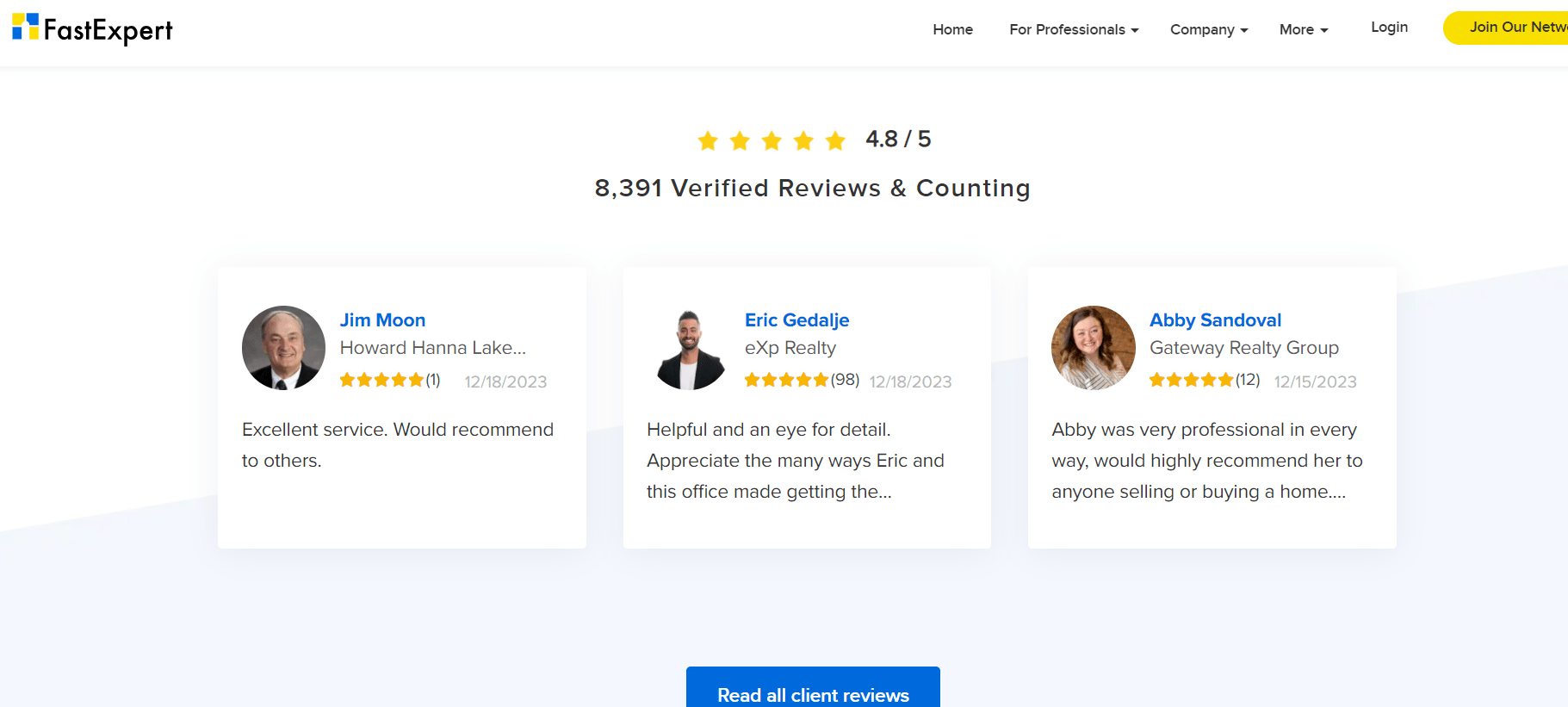
Picking an agent costs thousands in fees, so it comes down to trust. Reviews carry more weight here than in almost any other trade, and the online review statistics bear that out across every industry measured.
Put them next to the valuation form and on the listing page, not on a testimonials page nobody opens. Name the area and the property type with each one, because a seller in your patch wants to see someone with their kind of house. Our guide to getting more real estate reviews covers collecting them.
6. Show what is happening right now
Reviews tell a visitor you were good six months ago. What they cannot see is whether anything is happening today, and a quiet-looking site tells them nothing is.
- Sold and let boards on the listing itself. “Three doors down, sold in eleven days” does more for a seller than any testimonial.
- Live interest on a property. How many people have viewed it this week, or booked a viewing. It is the online equivalent of arriving at an open house and finding a queue.
- Recent activity across the site. A valuation requested this morning, a viewing booked at lunchtime. Small, factual, and constantly refreshed.
- Your numbers for the postcode. Homes sold this year, average time on market, percentage of asking achieved. Sellers care about those three more than anything on your about page.
The rule is that it has to be real. Property buyers and sellers are unusually good at spotting invented urgency, and one fake “12 people viewing” badge costs you more trust than the widget will ever win back.
Build trust & FOMO
Highlight real-time activities like reviews, sales & sign-ups.

7. Give the valuation its own page
Nobody clicks an instant valuation by accident. It is the strongest signal you will get, and it usually sits three levels down a menu.
Give it its own page, its own link in the navigation, and a form of three fields. Say what happens next and when, because the reason people abandon these is not knowing whether they are about to get a call in ten minutes or a brochure in a fortnight.
8. Nobody is in the office at nine at night
Property browsing peaks late on, long after everyone has gone home. A chat window that catches a name and number then beats one staffed at eleven in the morning.
It does not need a person on the other end. An automated one that answers the three questions everybody asks, then takes a number for a callback, converts people who would otherwise have closed the tab.
9. Your number should be one tap away
Most property browsing happens on a phone, often in the evening or standing outside the house. A click-to-call button in the header beats any amount of redesign.
Test it on a mid-range Android with two bars of signal. The designer’s laptop tells you nothing.
10. Video does what photos cannot
Photos sell the rooms. Video sells the flow between them, the road outside, and how much light the place gets.
A walkthrough on the phone is fine and often converts better than a produced film, because it looks honest. Put it above the photo gallery, not at the bottom.
11. Most agents stop chasing far too early
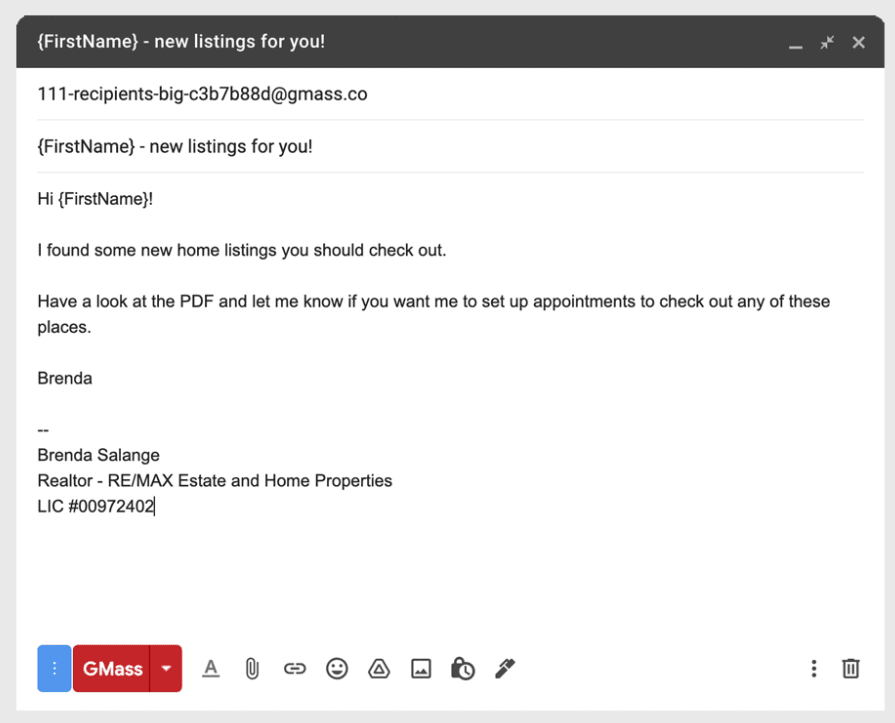
The median home search now runs about ten weeks, and plenty take far longer. Somebody who enquired in March may buy in November, while the chasing usually stops after a fortnight.
Run a slow sequence: new listings in their area, a price change on something they viewed, a market update once a month. It costs nothing and it is why some agents convert leads everyone else wrote off.
12. Buyers, sellers and landlords want different things
A homepage speaking to all three serves none of them. Sellers want a valuation, buyers want listings, landlords want your fees.
Point each ad at the page that matches it. If you are already paying for traffic, this is the cheapest fix on the list. The same rules that make ecommerce landing pages work apply here, and the landing page statistics show how much a matched page changes.
13. A slow listing page caps everything else
Photo galleries are heavy, and a page that crawls loses people before they see anything at all. No amount of copywriting gets past a five-second wait.
Compress the images, lazy-load the gallery below the fold, and test on mobile data rather than office wifi.
Build trust & FOMO
Highlight real-time activities like reviews, sales & sign-ups.

Getting a Higher Conversion Rate From Real Estate Ads
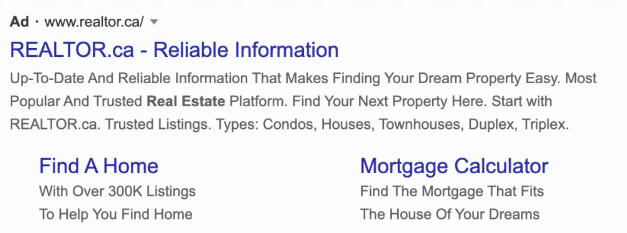
Paid traffic converts differently, and the usual mistake is sending it to the homepage.
- Match the page to the ad. An ad for three-bed houses in one postcode should land on that search, already filtered. Your front page makes them start again.
- Split buyers and sellers into separate campaigns. They need different pages, different copy and different budgets, and mixing them hides which one is working.
- Retarget people who viewed a listing twice. That is a stronger signal than anything in your targeting settings.
- Count viewings booked, not lead volume. Cheap leads who never turn up are the commonest way to burn a property advertising budget.
- Run valuation ads separately from listing ads. The intent is different, and so is what a conversion is worth to you.
How WiserNotify Works for Real Estate Sites
A buyer comparing three agents has all three sites open. Nothing on any of them says whether you are busy, whether that flat has had interest this week, or whether anyone has booked a viewing. So he picks on photos and fee.
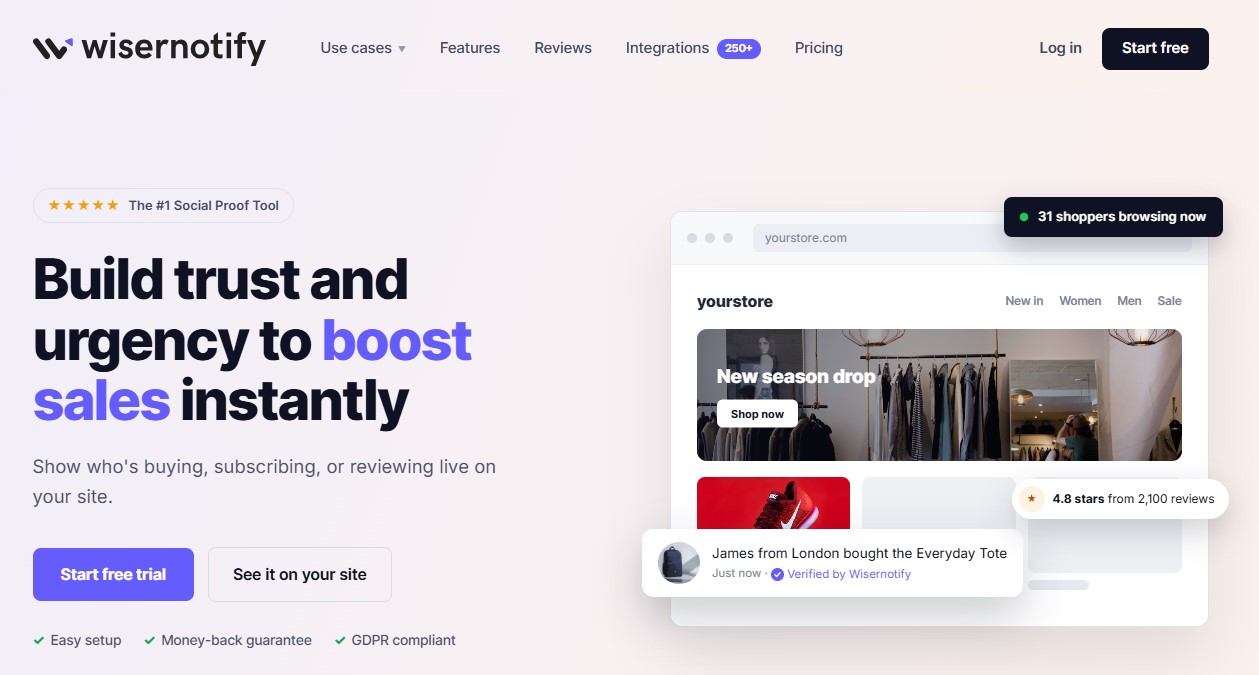
A website visitor counter on its own will not do it, because a raw number means nothing to a buyer. WiserNotify shows what is happening on your site while he is still on the page.
- Recent viewings and valuations. “Someone booked a viewing in SW11 two hours ago.”
- Live viewer counts. Four people on the same flat tonight is the online version of a busy open house.
- Review notifications. Your Google rating on the valuation page, which is where sellers decide who to trust.
- Countdown timers. Open house Saturday, an offers-by date, a launch weekend. Real deadlines only.
- Announcement bars. New instructions, an area you have just started covering, when valuation slots open.
- Trust signals by the enquiry button. Redress scheme, no-sale-no-fee, how fast you reply.
Every number comes from your own data, so a quiet week looks like a quiet week. The social proof statistics cover why this works, and our guide to social proof marketing covers where to put it.

Boost Conversion Instantly
Add Social Proof & Urgency to your website
Wrap Up
Reply within minutes, strip the form back to three fields, and make sure every listing offers a next move. Those three do more than any redesign will.
Then measure each stage separately, because the fix for a weak enquiry rate is nothing like the fix for enquiries that never become viewings. Much of this carries across if you also want to increase your conversion rate in sales more generally.
Also check: the best testimonial software compared
Related Guides
Frequently Asked Questions
What is a good conversion rate for a real estate website?
One to three percent of visitors into an enquiry is normal for an agent site. Anything higher usually reflects strong local traffic rather than a better website.
How do I track conversion rates on my real estate agent website?
Set a separate event for each action in Google Analytics 4, covering the enquiry form, phone clicks, valuation requests and brochure downloads, then track by page type rather than sitewide.
How many online real estate leads turn into sales?
Low single digits over a year. Portal and paid leads sit at the bottom of that range, referrals well above it.
What is the single biggest factor in converting real estate leads?
Response speed. Someone enquiring on your listing has usually enquired on three others the same evening, and whoever calls first tends to get the viewing.
How do I get a higher conversion rate from real estate ads?
Send each ad to a matching page rather than the homepage, split buyers and sellers into separate campaigns, and judge results on viewings booked rather than lead volume.

Krunal Vaghasiya is a marketing tech expert who boosts e-commerce conversion rates with automated social proof and FOMO strategies. He loves to keep posting insightful posts on online marketing software, marketing automations, and improving conversion rates.




 Capterra