
How to Get More Reviews for Your Online Pet Shop

Pet shops have a problem no other online store has. The customer who buys is not the one using the product, and the one using it cannot type.
Sounds like a joke. It changes everything about how you ask. Ask about the parcel and you get four words back. Ask about the animal and you get a paragraph, usually with a photo attached.
Product reviews decide these sales more than price does, so it is worth asking in a way that gets you the useful ones.
Why Pet Reviews Work Differently
- Nobody knows if it worked on day one. Food needs about a week before you know the dog will eat it. A toy needs longer than that to prove it survives.
- Buyers are anxious, not price-driven. Sensitive stomachs, allergies, a rescue that chews everything. They want to hear from an owner in the same boat, not to find the cheapest bag.
- Sizing is guesswork. Collars, harnesses, crates and beds all need a breed and a weight to mean anything, and your size chart does not tell them what a 20kg lab ends up wearing.
- The photos sell better than the words. One picture of the harness on an actual dog beats any description you could write.
How to Get More Reviews for Your Online Pet Shop
Eleven that work for pet products specifically, roughly in the order they make a difference.
1. Ask about the pet, not the order
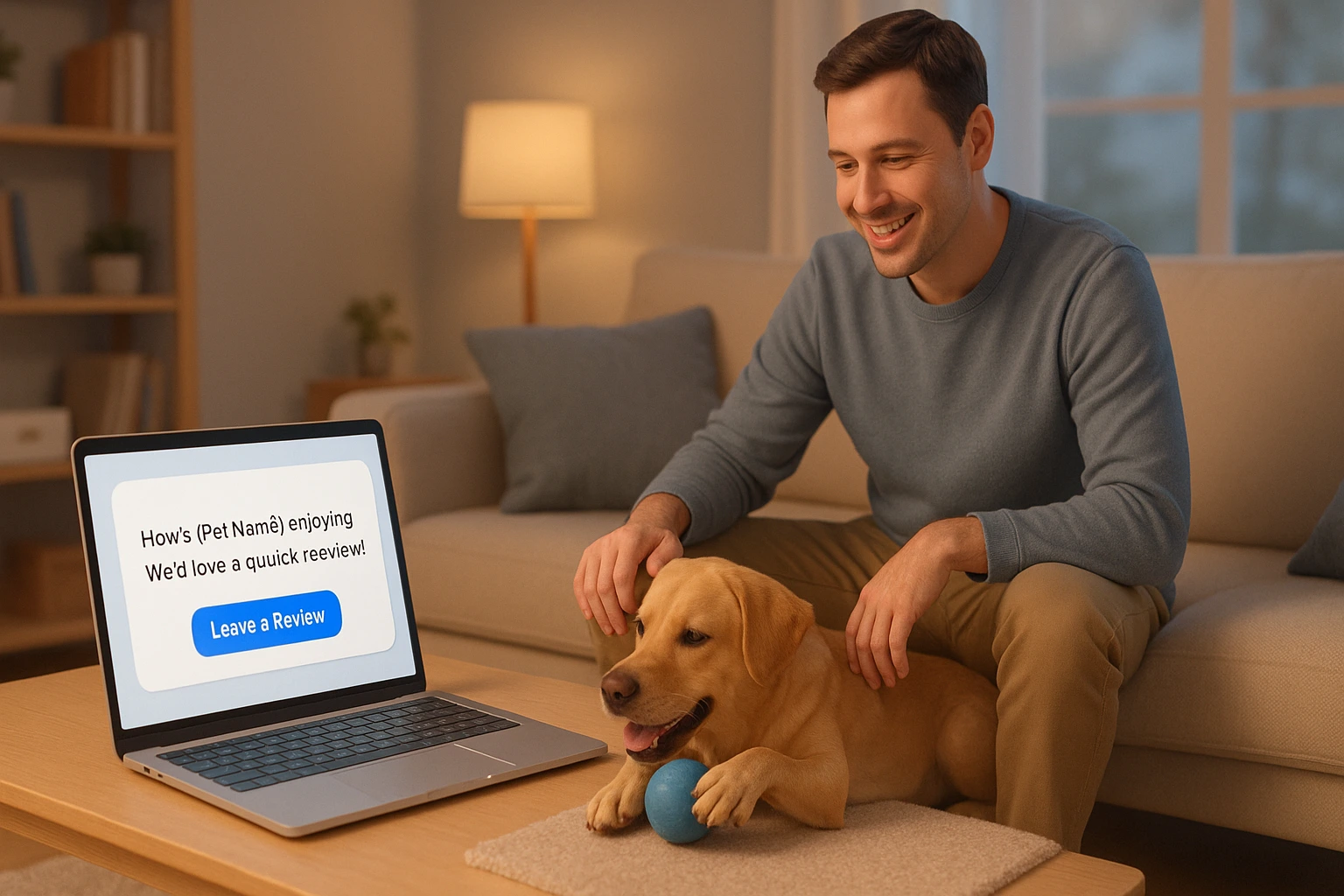
This one changes your review quality overnight. “How was your order?” is a customer service question. “How is Max getting on with the new harness?” is about something they care about.
Pull the pet name from checkout if you collect it, and start collecting it if you do not. One optional field at checkout, and every request after that can use it.
You get longer reviews, more pictures, and answers that cover the thing the next buyer is stuck on.
2. Wait long enough to know
Most shops fire the request the day it arrives. For pet products that is far too early, because nobody knows anything yet.
- Food and treats. Seven to ten days, by which point you know whether the dog eats it and whether it upset anything.
- Toys and chews. Ten to fourteen days, which is long enough to find out if it lasted.
- Collars, harnesses and beds. Three to five days, once it has been worn or slept in properly.
- Health and supplements. Three to four weeks, because that is when an owner can tell you if anything changed.
3. Ask for the breed and the weight
Two optional fields turn vague sizing comments into something usable. “Fits well” tells the next buyer nothing. “Fits a 22kg working cocker” answers their exact question.
Add a third for coat type if you sell grooming products, and let shoppers filter on all of them. One review from the same breed is worth twenty from strangers.
4. Push hard for photos
No category has an easier time getting photos than this one. Owners photograph their animals constantly anyway. Most shops still never ask.
Put the upload inside the review form rather than in a follow-up, and ask for something specific. “Show us how it fits” gets the dog wearing it. “Add a photo” gets a picture of the box. Our guide to collecting photo reviews covers the setup.
Video is worth asking for on anything where movement is the point. A dog tucking into the food, or a puppy going through a chew toy in ten seconds, answers something a still picture cannot. We have covered how to get them in our guide to customer video reviews.
5. Ask on the second order, not the first
Someone reordering the same food has already told you it worked. No first-time review carries that much weight.
Set the request to fire on a repeat purchase of the same item. They can write about how the dog has been over two months, and that is the review that sells a subscription to the next person.
6. Make it a one-minute job
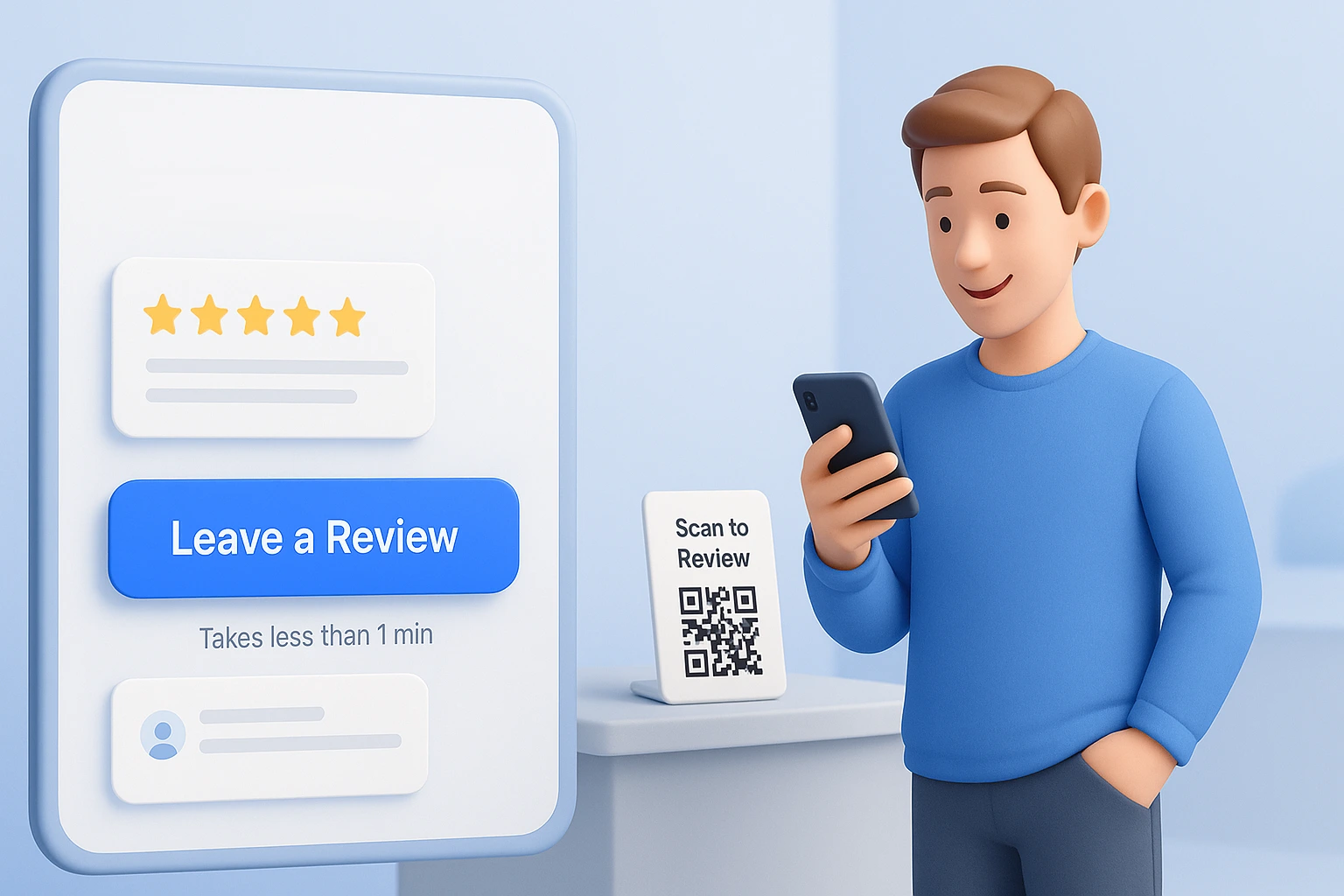
Every extra step loses you reviews. No account, no login, no five-part form.
Star rating in the email itself, then one box and a photo upload. Put a QR code on the packing slip too, since the box gets opened by someone standing up with a phone in their hand. You can generate one free with a Google review QR code tool.
7. Send it where they will see it
Pet buyers are on their phones and rarely at a desk. Email is better for the long review, but a text gets opened.
Use email when you want photos and detail, and a text when you just want a rating. Only message numbers you have consent for, and keep it to one line and one link. If you need wording to start from, we collected some review text messages that work.
8. Reward the review, never the rating
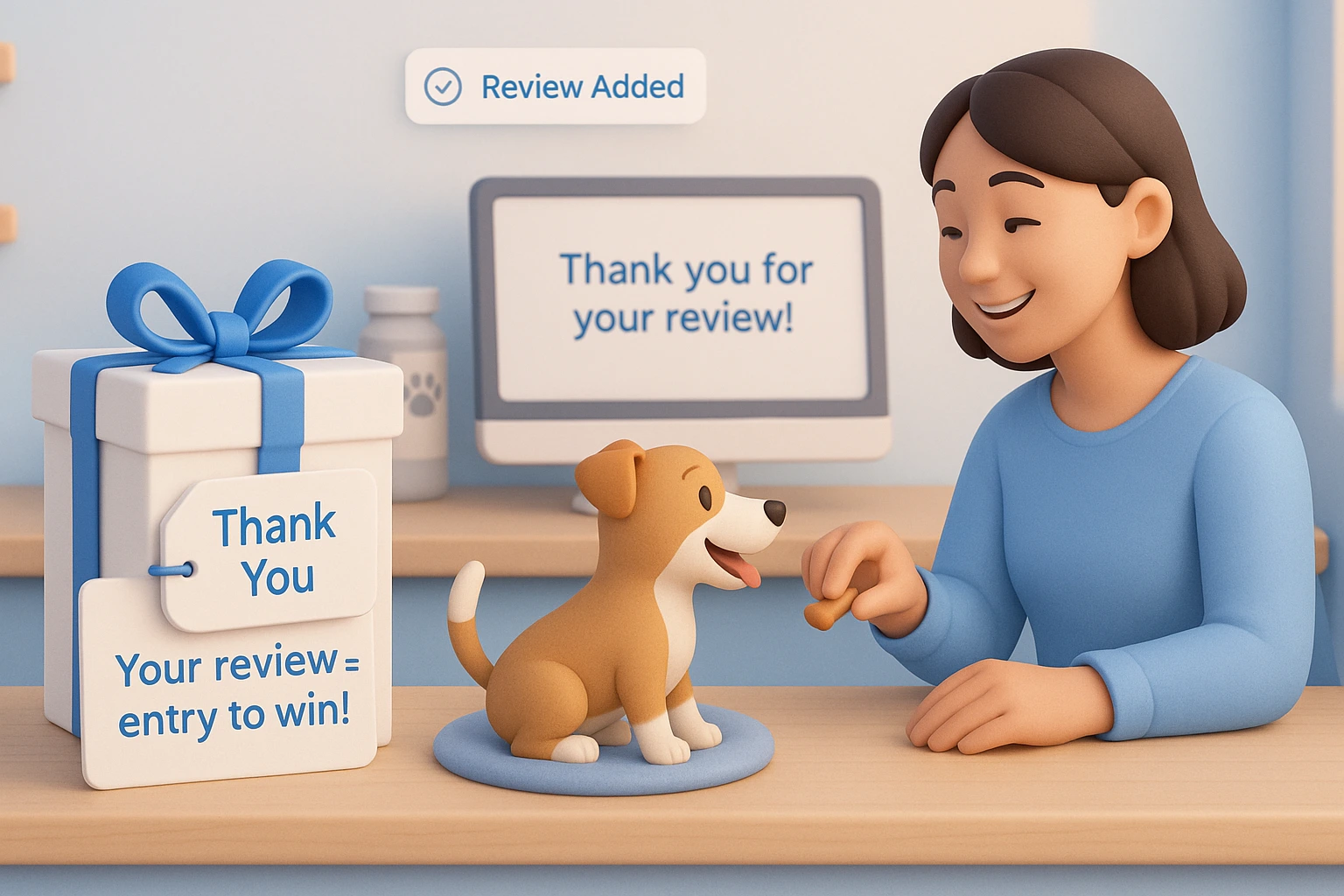
- Fine: a prize draw for anyone who reviews, loyalty points, a small donation to a rescue for every review left.
- Not fine: anything that only pays out on five stars, or a discount promised for a good one.
Google bans incentivised reviews outright, and the FTC now fines businesses for fake reviews and for hiding real ones. The rescue donation works particularly well here, because it is the thing your customers already care about.
9. Answer the worrying reviews first
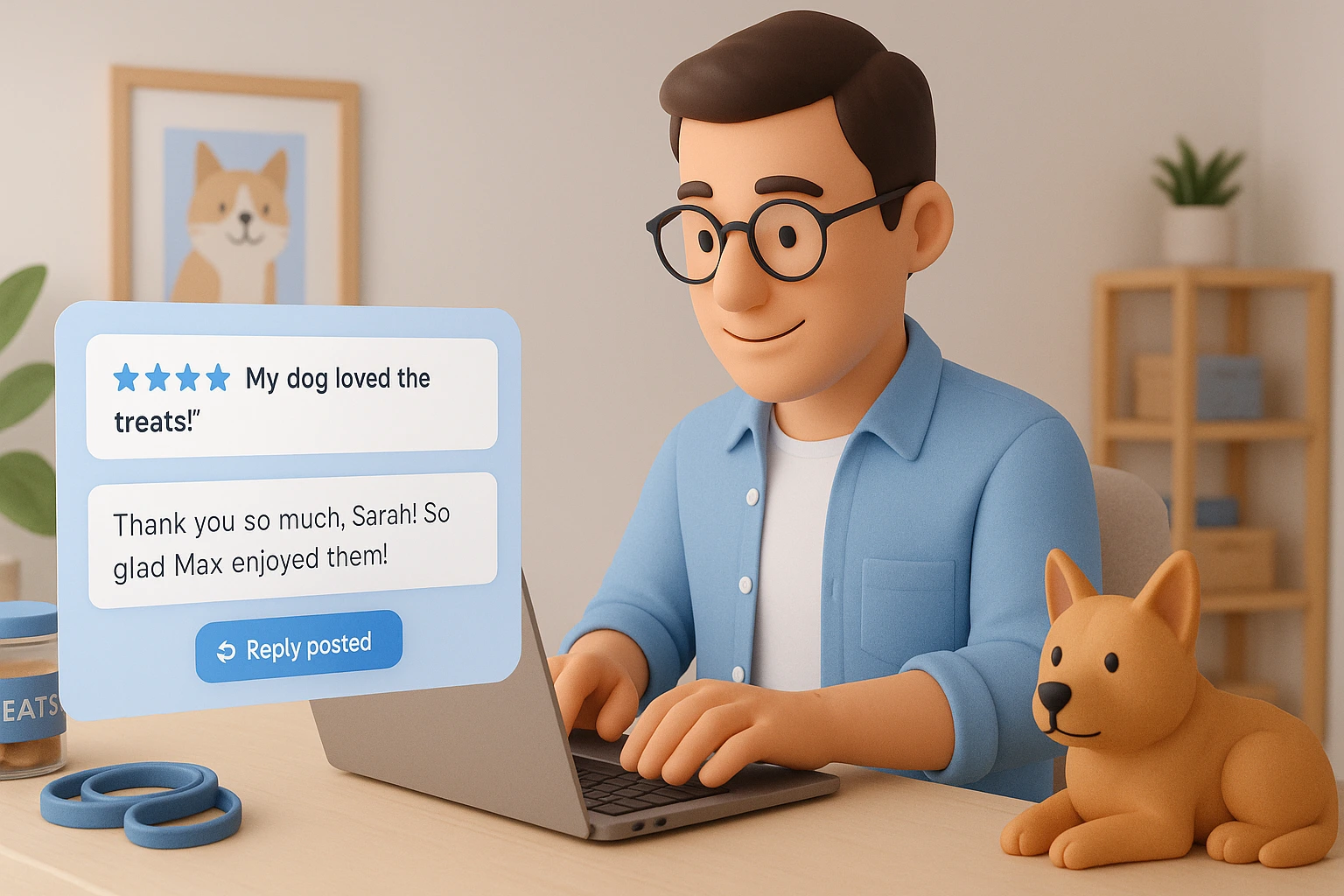
A review saying the food upset their dog is not an attack on you. It is the most important thing on that product page, and your answer decides whether anyone else buys.
Reply with what you did, offer the refund, and say something useful about the ingredient if you know it. Every worried owner reading it is working out whether you would sort them out too. We have worked through the wording in bad reviews for products.
10. Let the shop do the asking
Doing this by hand stops after a fortnight. Fire it from your shop platform instead, with the wait set by what they bought.
- Different delays per category, so food and toys are not asked on the same schedule.
- Exclude anyone who returned it or opened a support ticket.
- Cap repeat customers, so a monthly food subscriber is not asked every month.
11. Put the reviews where the doubt is
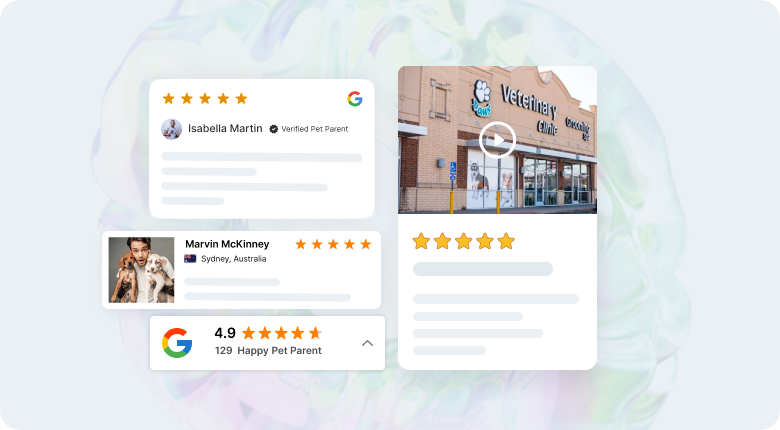
A reviews page on your website that nobody visits does nothing. The reviews belong on the product page, next to the size selector and the price.
Filters matter more here than in most categories. Let shoppers narrow by breed, weight or coat type and the same set of reviews does far more work.
How WiserReview Helps You Get More Reviews

Any of these works once. Getting to four hundred reviews next year depends on it still happening in your busy weeks.
WiserReview keeps it going:
- Collecting. Requests by email, SMS or WhatsApp once an order is marked delivered, with a different delay per product type, plus the QR code for the packing slip.
- Getting more back. Custom fields for pet name, breed and weight, photo and video uploads in the form, and a reminder that only goes to people who did not reply.
- Managing. Google and the rest in one inbox with your replies, so nothing worrying sits unanswered for a week.
- Showing them. Product page widgets with those fields as filters, so a shopper can find their own breed in seconds.
How WiserNotify Works for Pet Shops
Your reviews sit at the bottom of the product page, and on a phone most shoppers never scroll that far.
WiserNotify shows real activity from your store while they are still looking: recent purchases, your Google rating as a review notification, live visitor counts on a product that is selling, and countdown timers for real deadlines only.
Every number comes from your own data, so a quiet week looks like a quiet week.
Wrap Up
Use the pet name, wait until the owner knows whether it worked, and collect the breed and weight. Those three change what your reviews say.
Then push for photos, answer the difficult ones first, and let the shop handle the asking.
Also check: How to ask for reviews, with examples
Related Guides
Frequently Asked Questions
When should an online pet shop ask for a review?
Depends what they bought. Seven to ten days for food and treats, ten to fourteen for toys, three to five for collars and beds, and three to four weeks for supplements.
Why are pet product reviews so short?
Because the request asks about the order rather than the animal. “How is Max getting on with the harness?” gets a paragraph where “how was your order?” gets four words.
What fields should a pet shop review form collect?
Pet name, breed and weight, plus coat type if you sell grooming products. Those turn vague sizing comments into something the next buyer can use, especially as filters.
How do I get photo reviews from pet owners?
Put the upload inside the review form and ask for something specific. “Show us how it fits” gets the dog wearing it, while “add a photo” gets a picture of the box.
What should I do about a review saying the food upset a pet?
Answer it first. Say what you did, offer the refund, and explain the ingredient if you can. Anxious owners are judging how you handle it more than the complaint itself.

Krunal Vaghasiya is a marketing tech expert who boosts e-commerce conversion rates with automated social proof and FOMO strategies. He loves to keep posting insightful posts on online marketing software, marketing automations, and improving conversion rates.




 Capterra