
How to Add a Countdown Timer to Podia (2026)
Podia has no built-in countdown timer. Add one by pasting the WiserNotify script into Podia’s tracking code box, then building a countdown widget in WiserNotify.
The timer floats over the public pages you pick, as a fixed deadline or an evergreen countdown that starts for each visitor.
The steps below take you from the script to a live timer.
Podia Embed or WiserNotify Timer?
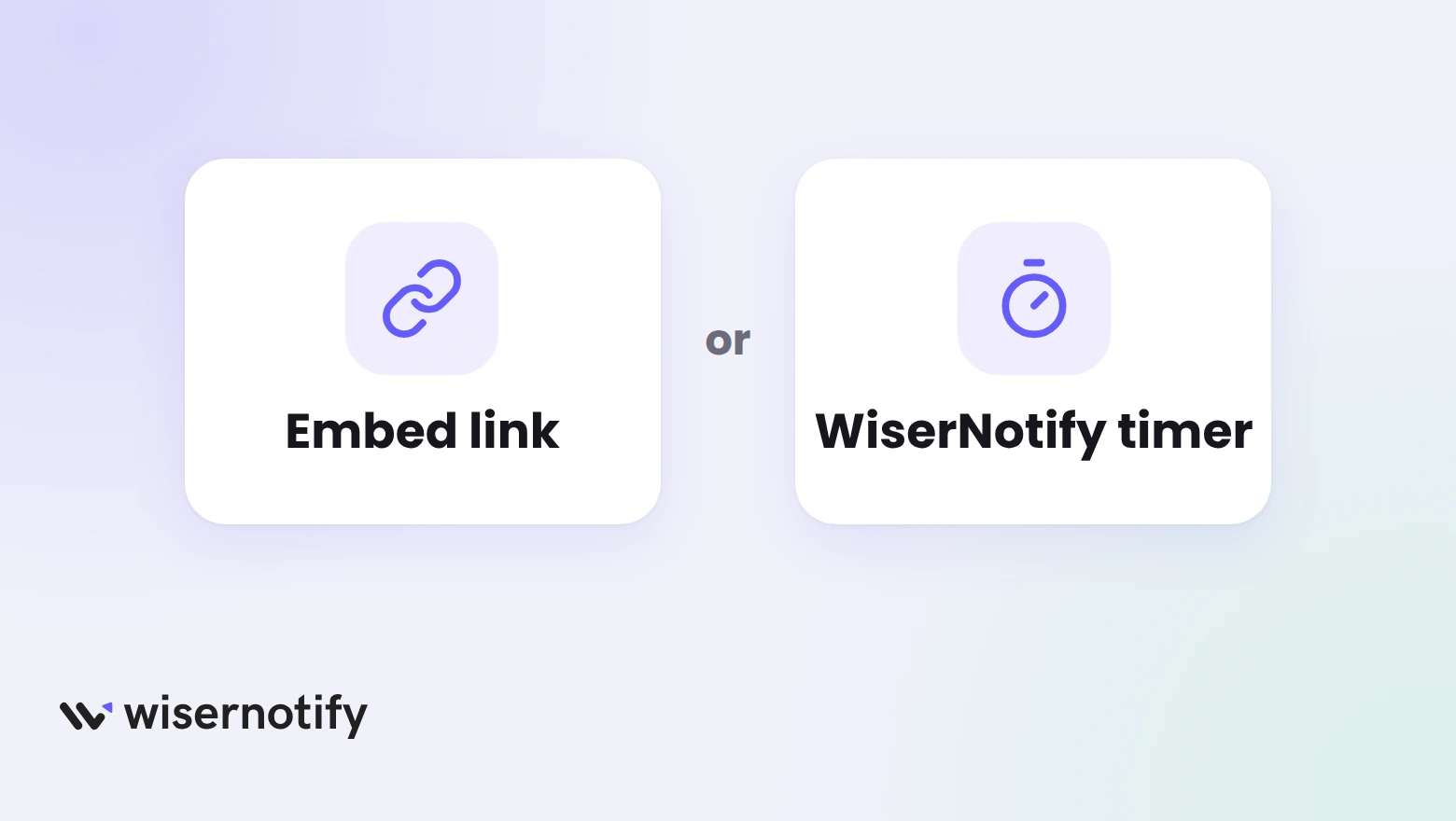
Podia’s help center points to outside tools for countdowns. Its text editor can embed a timer from a link, and code goes into a tracking code box. The two routes behave differently.
- Embed link: the timer sits inside one text section on one page. Podia’s embed takes a link, not embed code.
- WiserNotify timer: one script runs the timer on the pages you choose. It can be fixed or evergreen, and it can send visitors to another page when time runs out.
For one launch across several pages, a single script is easier to manage than an embed on every page. The steps below use the script.
How to Add a Countdown Timer to Podia
The video shows the countdown widget being built from start to finish. The steps after it cover the Podia and WiserNotify parts.
Step 1: Copy Your WiserNotify Pixel

- Sign up for WiserNotify and start the 7-day free trial, or log in if you already have an account.
- Open the Install Pixel page.
- Click Copy code.
Step 2: Open Podia Store Settings
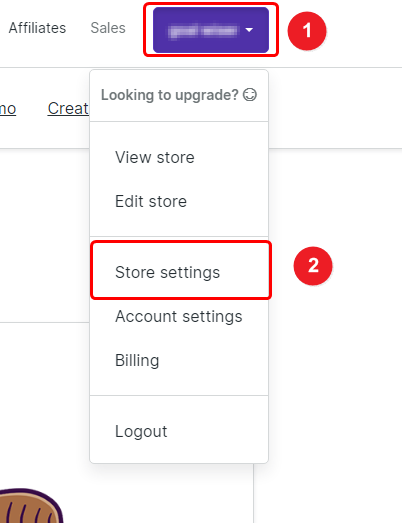
- Log in to Podia and click your name at the top right.
- Click Store settings.
On newer accounts the same page sits under Settings, then Analytics, in the Admin sidebar.
Step 3: Paste the Pixel and Save
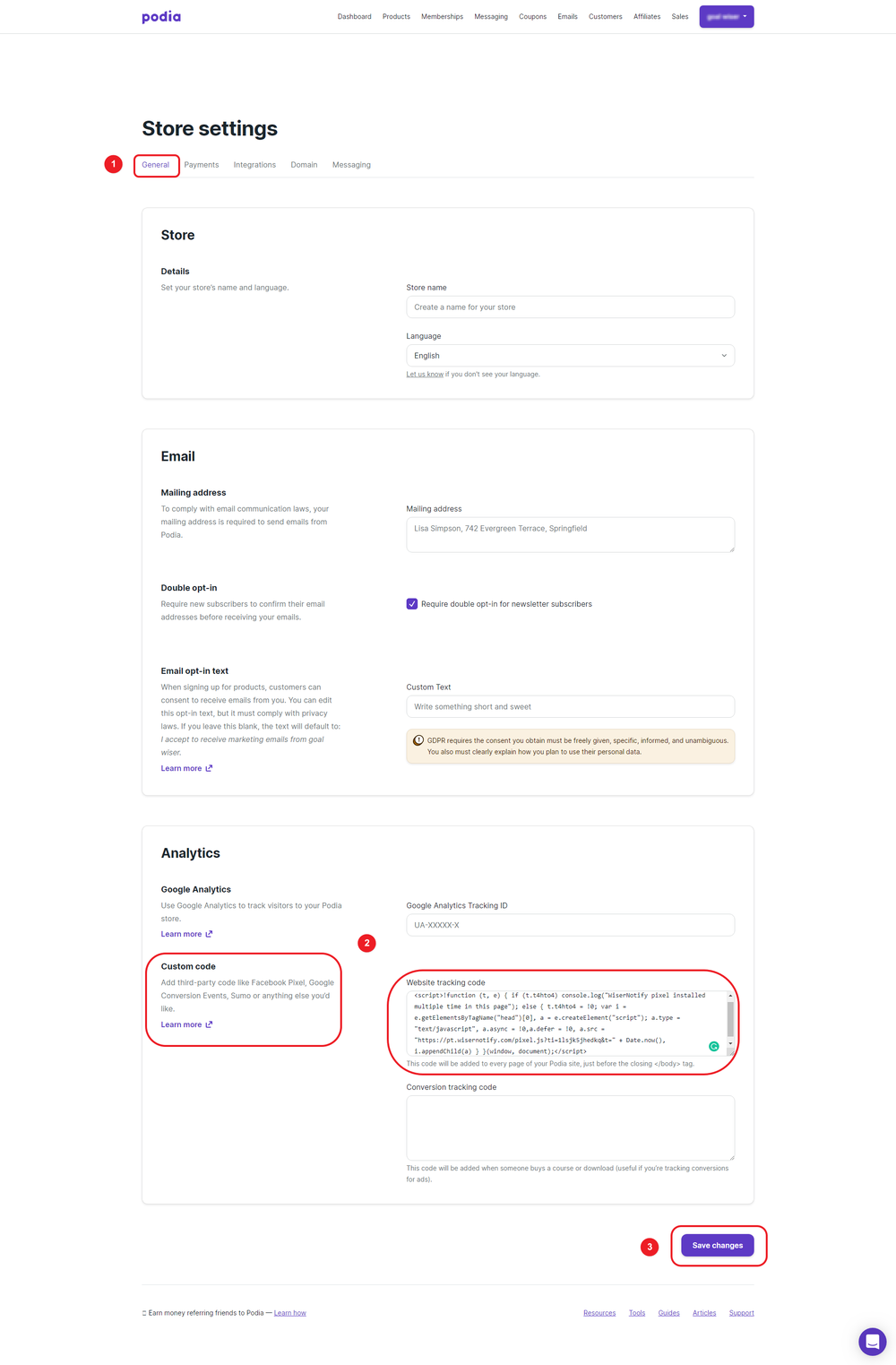
- Scroll to the Analytics section.
- If you see Third-party code, click Edit next to it.
- Paste the pixel into the Website tracking code box, not the Conversion tracking code box below it.
- Click Save changes.
Third-party code needs a Podia plan that supports it. Podia adds it to every public page, which is all the pixel needs.
The full doc is how to install the pixel code on Podia.
Step 4: Verify the Pixel

- Open your Podia site in a new tab so the pixel loads once.
- Go back to the Install Pixel page in WiserNotify.
- Click Verify pixel installation.
- Wait for the green line saying the pixel code was detected.
Step 5: Open the Widgets List

- In WiserNotify, open Widgets.
- Click Add notification.
Step 6: Pick a Countdown Timer

- Open the Countdown tab.
- Pick a design, such as Timer-1, and click Add.
- Name it and enter your Podia site address.
- Click Create and Customize.
Step 7: Design It and Set the Countdown
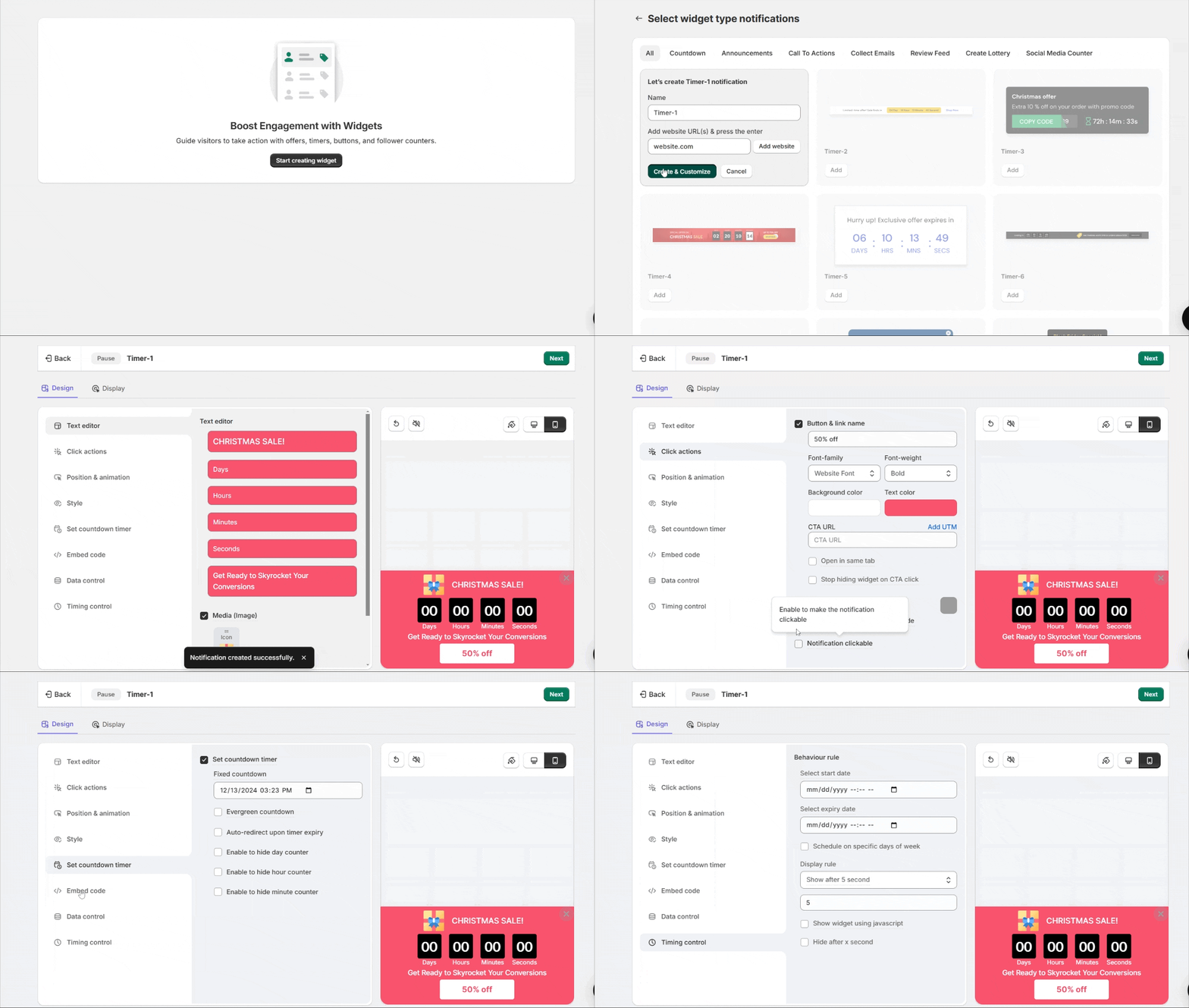
- In the Design tab, edit the text, position and style to match your Podia theme.
- Open Set countdown timer and pick a fixed date and time, or tick Evergreen countdown.
- Add a button in Click actions so the timer leads to your enroll page.
Step 8: Choose Pages and Publish
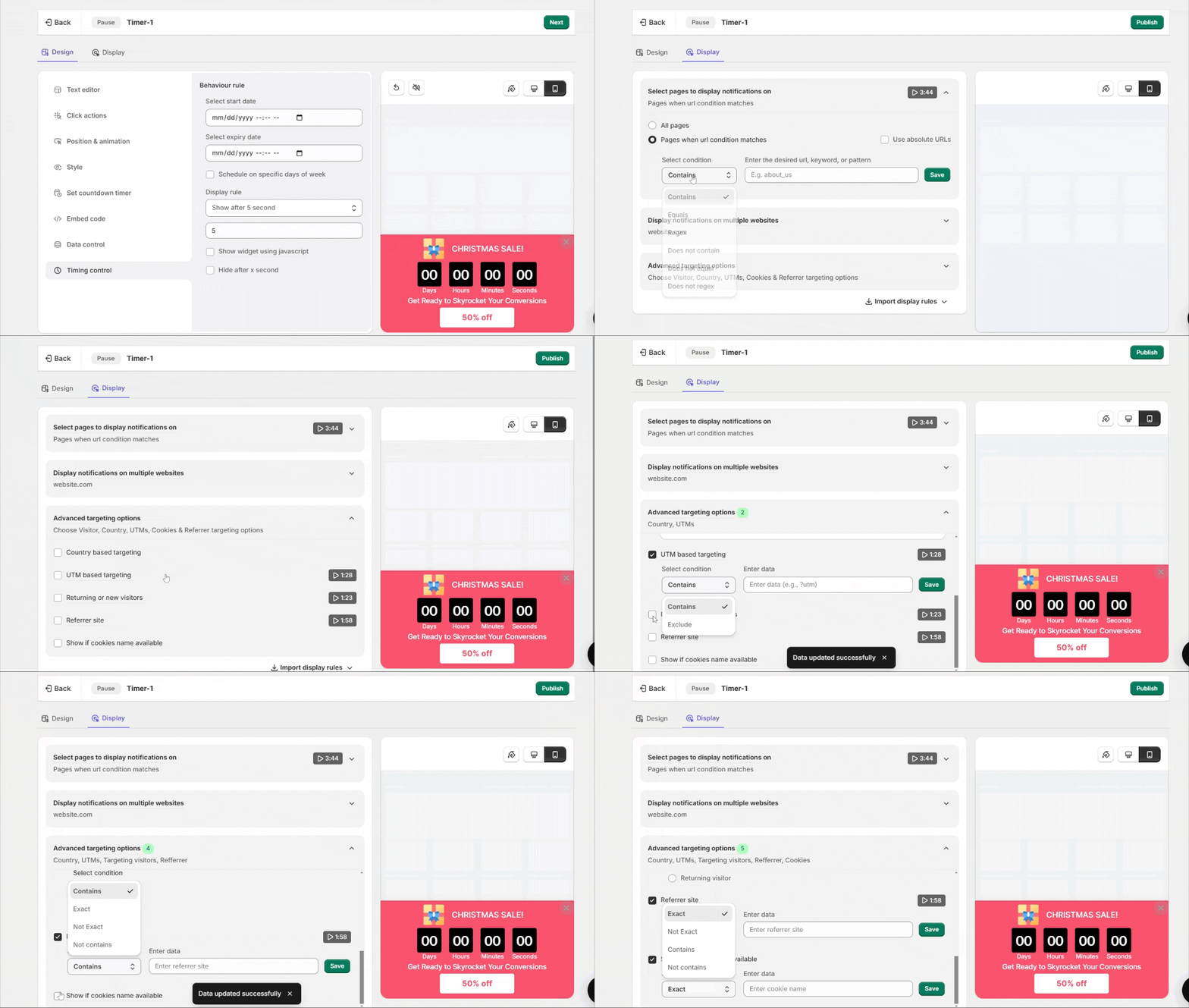
- Open the Display tab.
- Choose the pages. Course sales pages and checkout are the ones that matter. A Contains rule with the course slug covers one page.
- Click Save, then Publish.
- Open your Podia page in a private window to check the timer.
Build trust & FOMO
Highlight real-time activities like reviews, sales & sign-ups.

Fixed or Evergreen Countdown on Podia
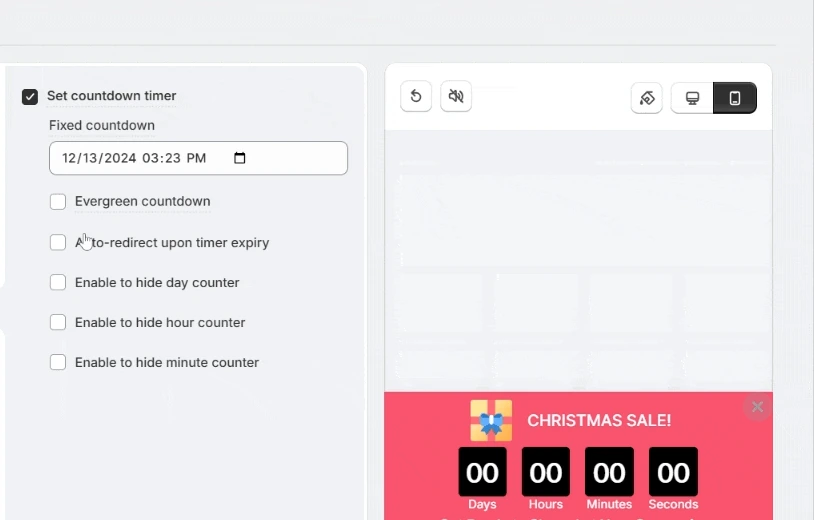
Both options live in the same panel, so switching takes a click.
- Fixed countdown: pick a date and time. Everyone sees the same deadline, which suits a Black Friday sale or a launch day.
- Evergreen countdown: each visitor gets their own countdown from the moment they arrive. It fits welcome offers, enrollments and webinar replays.
- Auto-redirect on expiry: send people to another page when time runs out, such as a waitlist.
- Hide counters: drop the day, hour or minute units you do not need.
Run an evergreen timer only when the offer ends for that visitor. A deadline that quietly resets is fake urgency, and shoppers notice.
Where Does the Countdown Show on Podia?
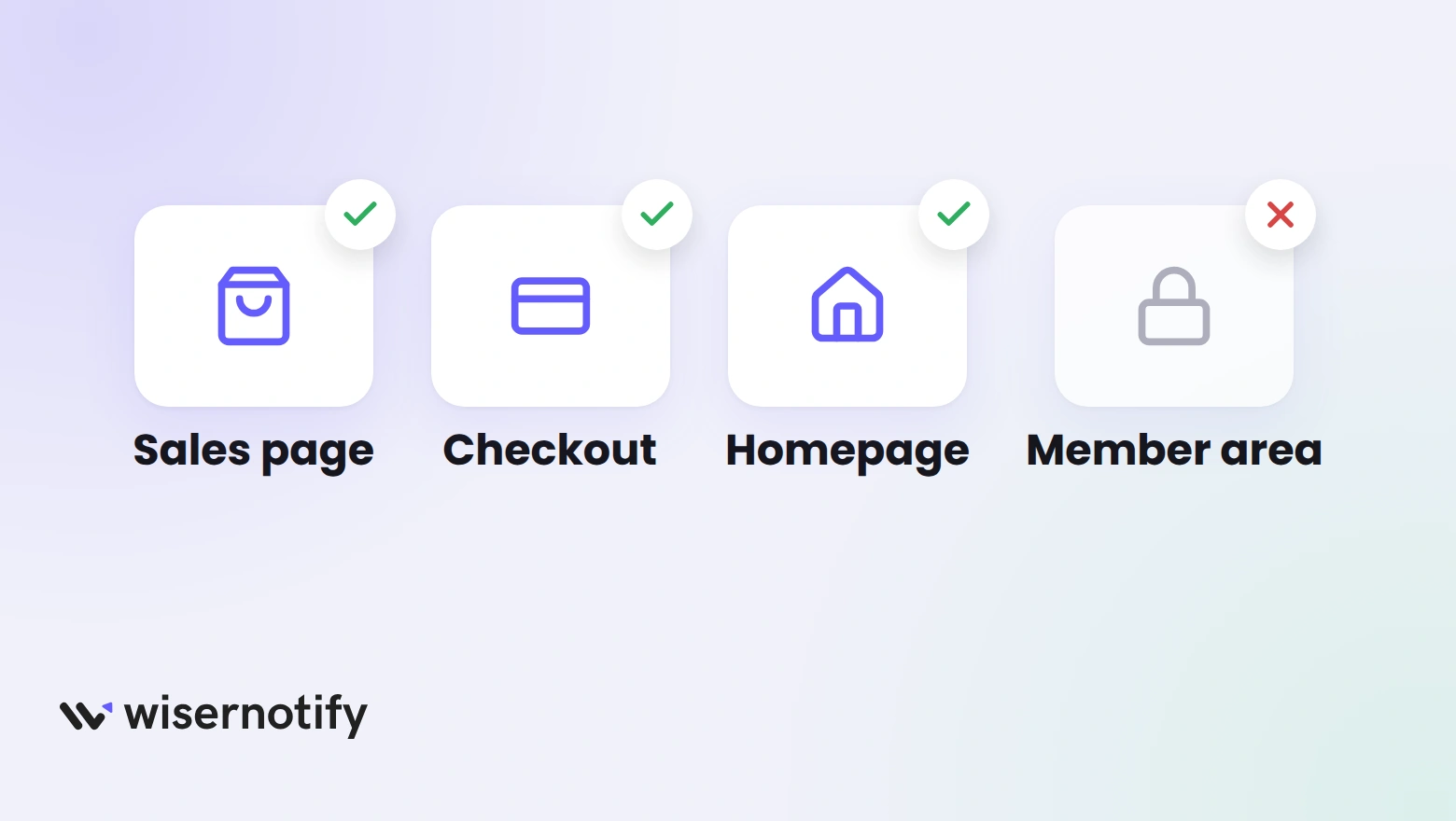
Podia runs third-party code on its public pages only. That decides where a timer can appear.
- Course sales pages: the main spot, next to the price and the enroll button.
- Checkout: the timer can follow shoppers to the last step.
- Homepage and webinar pages: a good place for a site-wide launch timer.
- Member area: no. Podia keeps third-party code off the logged-in Home Feed, so existing students see nothing.
When to Use a Countdown on Podia
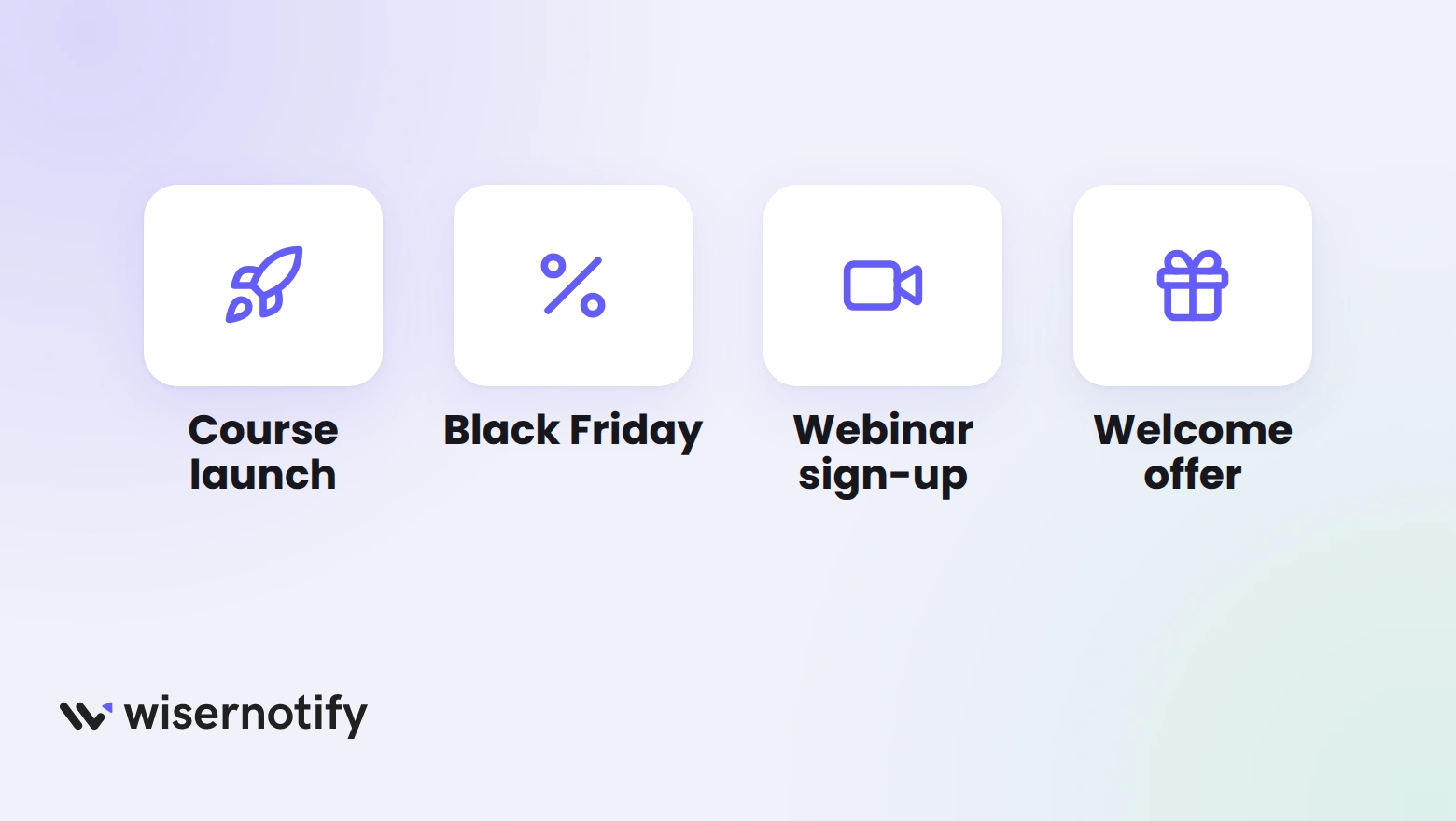
- Course launches: count down to launch day on the landing page and collect early interest.
- Black Friday and seasonal sales: run one site-wide timer with your sale’s end date, instead of editing every page.
- Webinars and events: show how long registration stays open.
- Welcome offers: give first-time visitors an evergreen window to use a discount.
More Urgency Widgets in the Same Dashboard

The countdown is one of several widgets that run on the same pixel. Announcement bars, offer boxes and email collectors sit in the same list.

Social proof notifications live there too. A countdown tells people time is short, and a recent order shows others are already buying.
Here is how to show a sales popup on Podia next to your timer, or add a visitor counter to Podia.
Countdown Timer Not Showing on Podia?
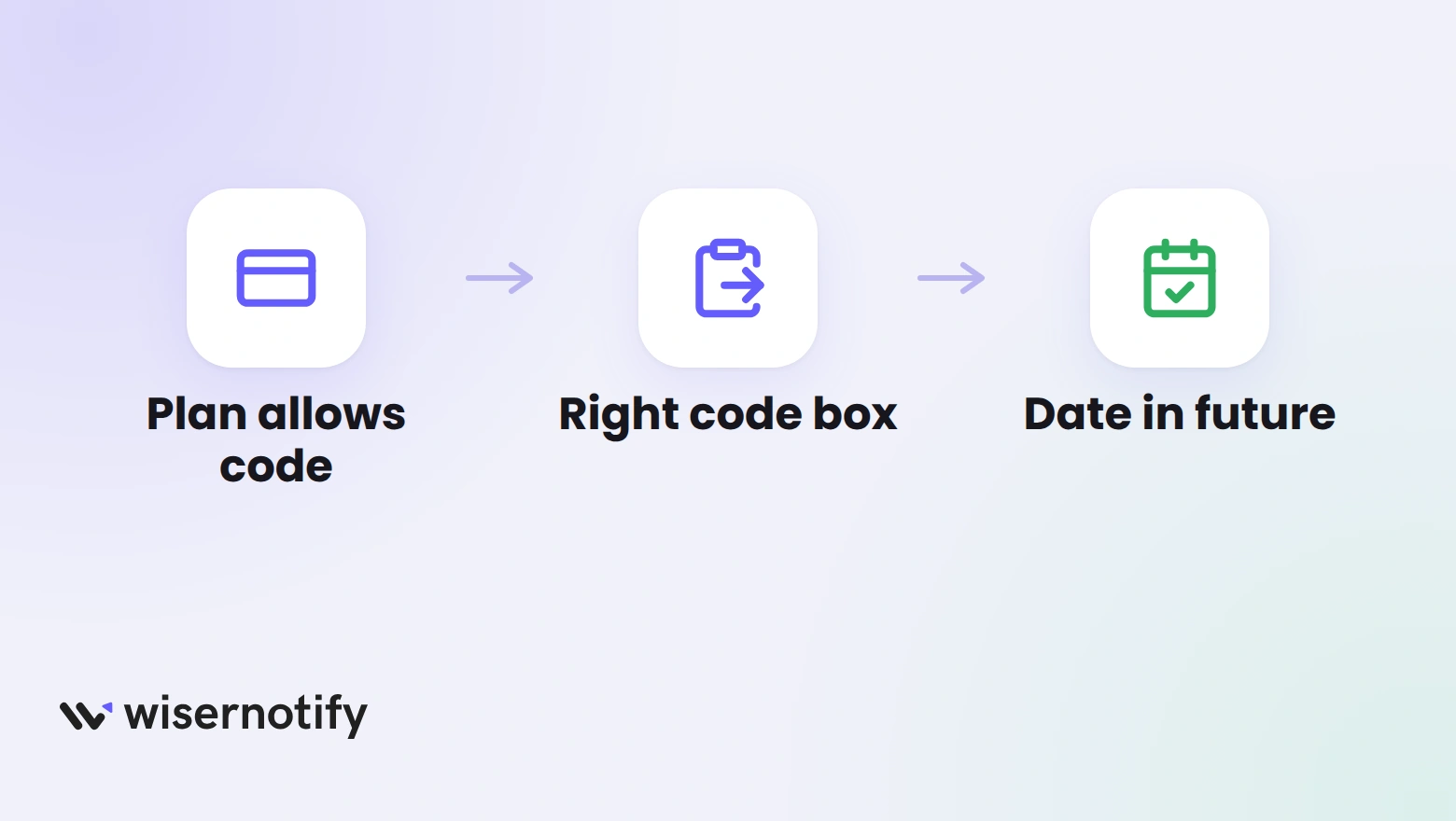
- Plan: third-party code needs a Podia plan that supports it.
- Wrong box: the pixel belongs in the Website tracking code box, not the Conversion tracking code box.
- Pixel not detected: open your site once, then click Verify pixel installation again.
- Date already passed: a fixed countdown with an old date has nothing left to count. Pick a future date or switch to evergreen.
- Widget still off: check its toggle in the Widgets list.
- Wrong page rule: one wrong character in a page condition hides the timer. Switch to all pages while you test.
- Looking in the member area: the timer runs on public pages only.
- Cached view: check your page in a private window after every change.
Common Countdown Mistakes on Podia
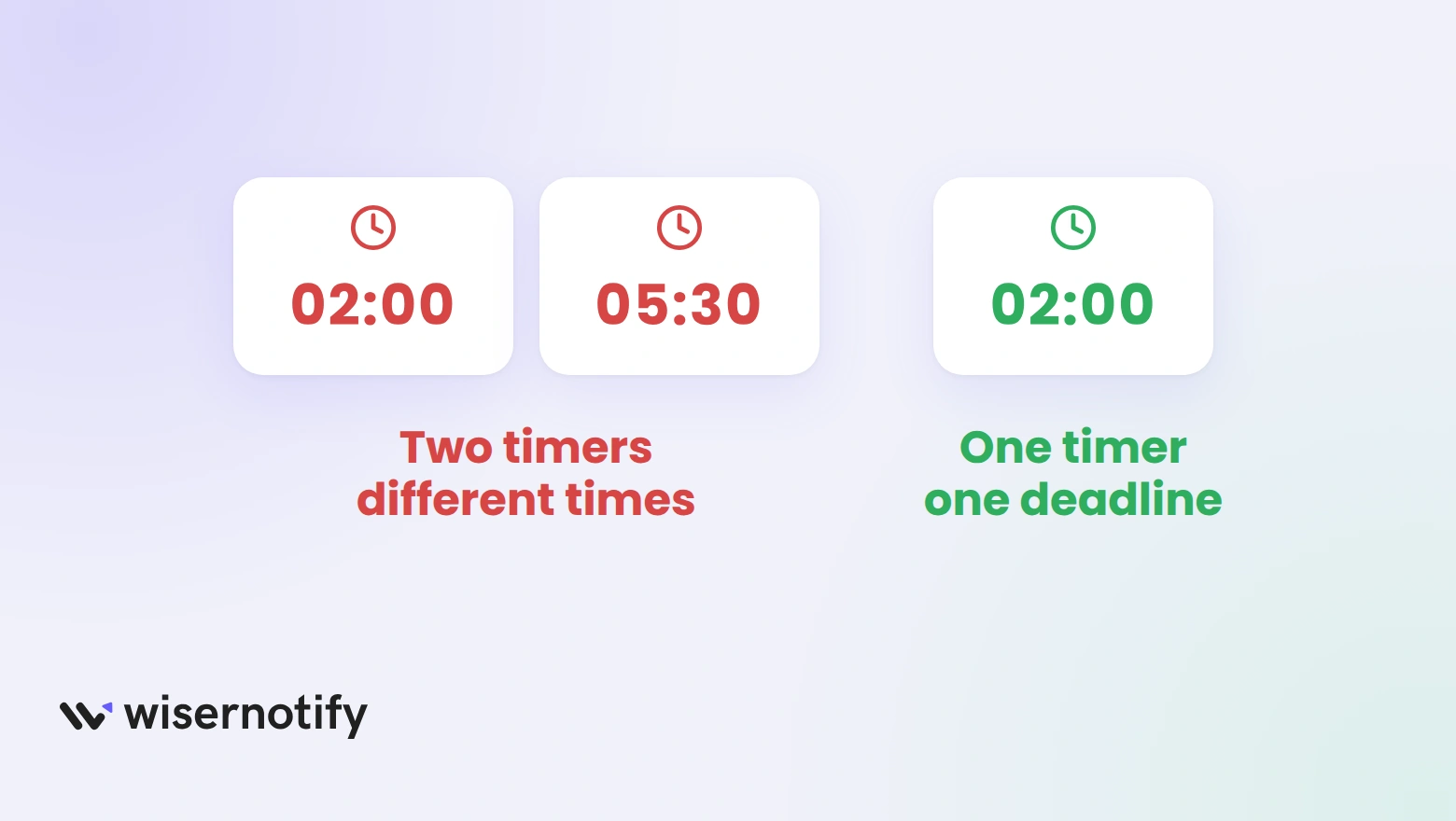
- Two timers on one page: an embed plus a floating timer with different dates confuses visitors. Pick one.
- Expired timers left up: a clock stuck at zero tells visitors the site is not looked after.
- Resetting deadlines: if the offer does not end, do not show a countdown for it.
- Covering the enroll button on phones: check the timer on a small screen.
- No clear next step: add a button in Click actions so the timer leads somewhere.
How to Measure the Impact
- Compare conversions on pages with the timer for a few weeks before and after it goes live, and change one setting at a time.
- Check views and clicks for the widget under Performance in WiserNotify.
- Set a goal so clicks on the timer button connect to enrollments.
- Test fixed against evergreen on the same offer, with one idea per version.
These countdown timer examples show what real sites put next to the clock, and this guide to FOMO marketing covers the angles.
Build trust & FOMO
Highlight real-time activities like reviews, sales & sign-ups.

Wrap Up
A countdown gives a Podia visitor a reason to enroll now instead of later. Add the script once, pick fixed or evergreen, and publish.
Start with one offer page, then check how visitors respond before you roll the timer out wider.
Related Posts
Frequently Asked Questions
Does Podia have a built-in countdown timer?
No, not as a built-in feature. Podia’s help center points to outside tools, such as a link-based embed or third-party code.
What is the difference between an evergreen and a fixed countdown?
A fixed countdown ends at one date for everyone. An evergreen countdown starts when each visitor arrives, so everyone gets the same window.
Can I show a countdown on the Podia checkout page?
Yes. Podia runs third-party code on its public pages, including checkout, so a timer can follow shoppers there.
Will the countdown work on mobile?
Yes. Check the mobile preview in the editor, then open your page on a phone before you publish.
Where do I paste the WiserNotify script in Podia?
Open Store settings, find the Analytics section, and paste it into the Website tracking code box. Save your changes.

Krunal Vaghasiya is a marketing tech expert who boosts e-commerce conversion rates with automated social proof and FOMO strategies. He loves to keep posting insightful posts on online marketing software, marketing automations, and improving conversion rates.




 Capterra